In 2026, food is no longer defined by flavour alone. Across kitchens, vineyards, and cultural landscapes, a more thoughtful era emerges, where sustainability, technology, and storytelling converge to reshape not only what we eat, but how we experience and understand it.
There was a time when the future of food was measured by novelty. New techniques, new ingredients, new formats. Today, that momentum has softened into something more considered. Innovation has not disappeared, but it has matured, shifting from spectacle to substance, from what is new to what is meaningful. Across the global dining landscape, a quieter transformation is unfolding. One that places purpose at the centre of the plate and redefines the relationship between food, culture, and experience. Six defining movements now shape this evolution, each reflecting a broader shift in how we produce, consume, and connect.
Radical Transparency: Knowing What Matters
The modern diner is no longer content with surface level understanding. Ingredients are no longer anonymous, and sourcing is no longer hidden behind the kitchen door. There is a growing desire to understand origin, process, and intention. Menus speak with greater clarity. Ingredients are traced back to farms, regions, and producers. In wine, provenance extends beyond terroir to include authenticity, ethics, and environmental care. Technology supports this shift, offering traceability that transforms consumption into awareness. This is not simply about information. It is about trust. A new kind of value emerges when diners feel connected to what they are consuming, when knowledge deepens appreciation rather than complicating it.
Regenerative Thinking: Restoring the Source
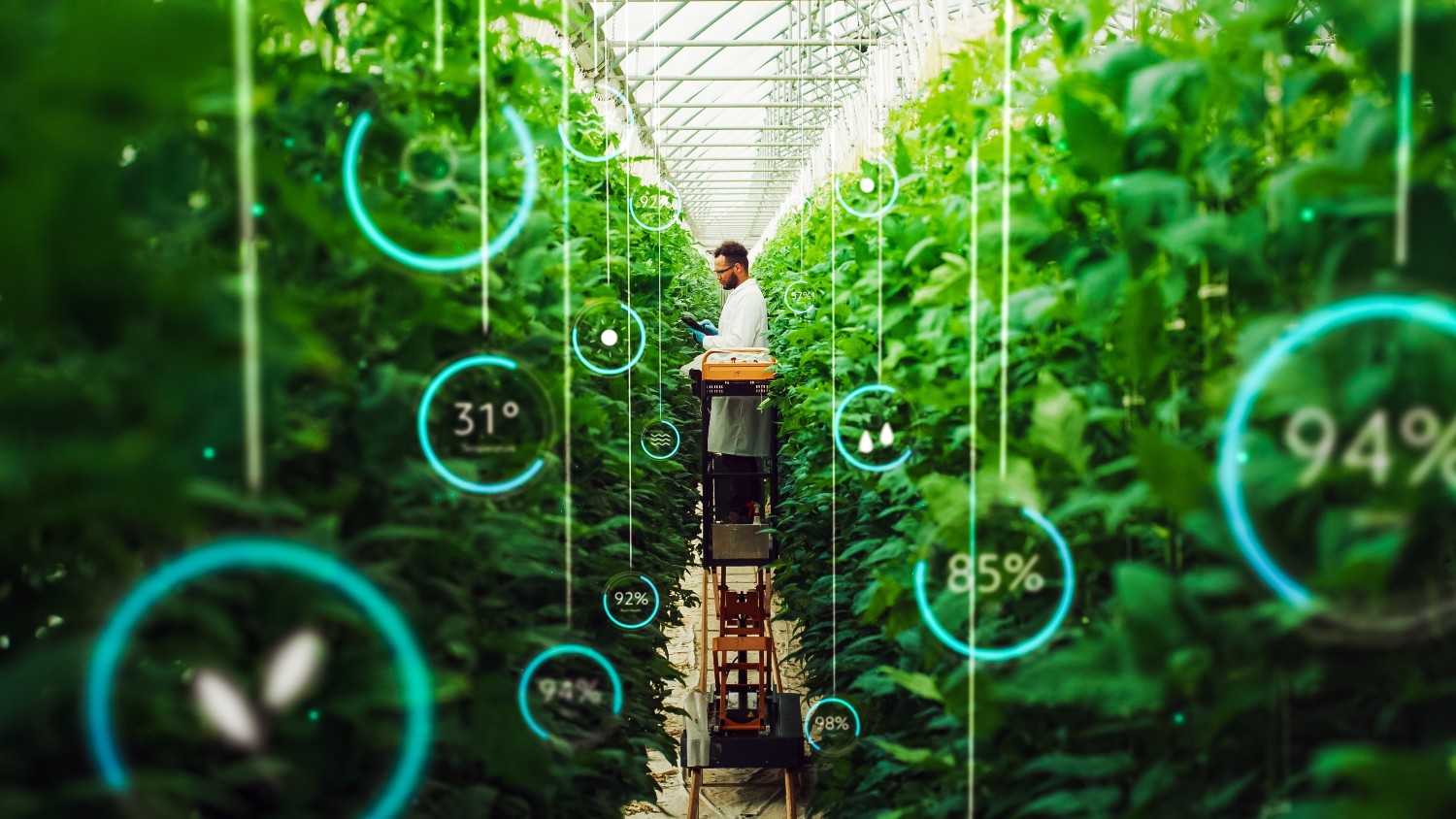
If transparency reshapes perception, regeneration reshapes production. Sustainability, once the defining goal, is no longer sufficient. The conversation has moved towards restoration. Regenerative agriculture focuses on rebuilding soil health, increasing biodiversity, and creating ecosystems that sustain themselves over time. It is a philosophy that sees farming not as extraction, but as renewal. In vineyards, this shift is particularly evident. The vitality of the soil directly influences the expression of the wine, creating a deeper, more authentic connection between land and flavour. What emerges is not only better produce, but a more responsible and enduring approach to gastronomy.
Food as Wellness: A Natural Integration
The boundary between indulgence and wellbeing is dissolving. Food is no longer categorised as either pleasure or function. Instead, it exists within a spectrum where both coexist naturally. Menus are evolving to reflect this balance. Dishes are lighter yet satisfying, composed with ingredients that support energy, digestion, and overall health. Fermentation, botanical infusions, and nutrient rich components are no longer niche, but part of the everyday culinary language. Even in wine and beverages, a subtle shift is taking place. Lower alcohol options, non-alcoholic pairings, and functional drinks are becoming part of the dining experience, not as substitutes, but as considered choices. Indulgence remains, but it is quieter, more refined, and more intentional.
Intelligent Kitchens: Technology in Harmony
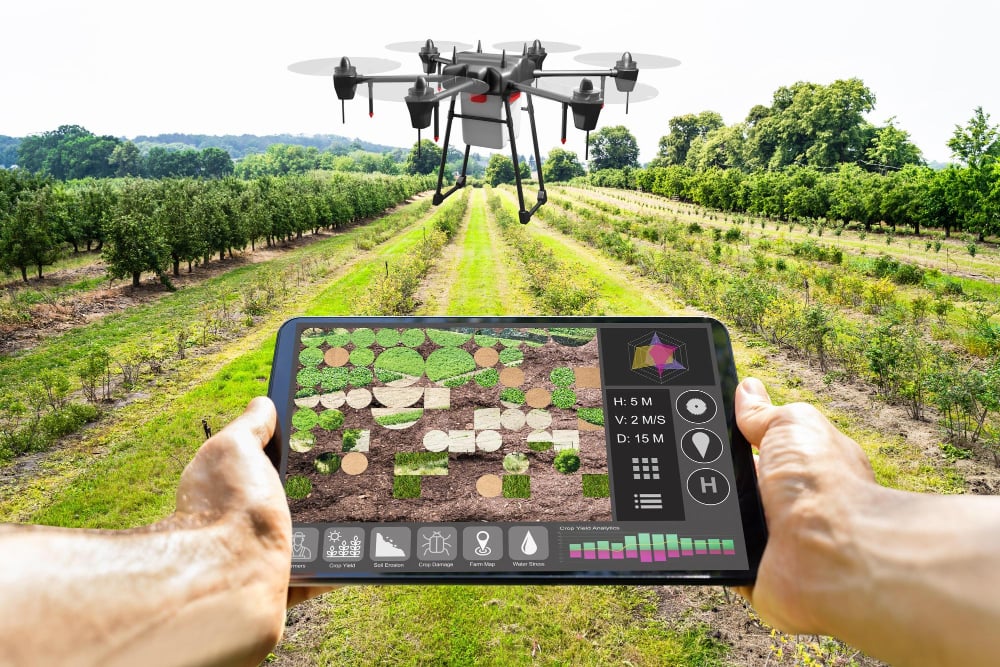
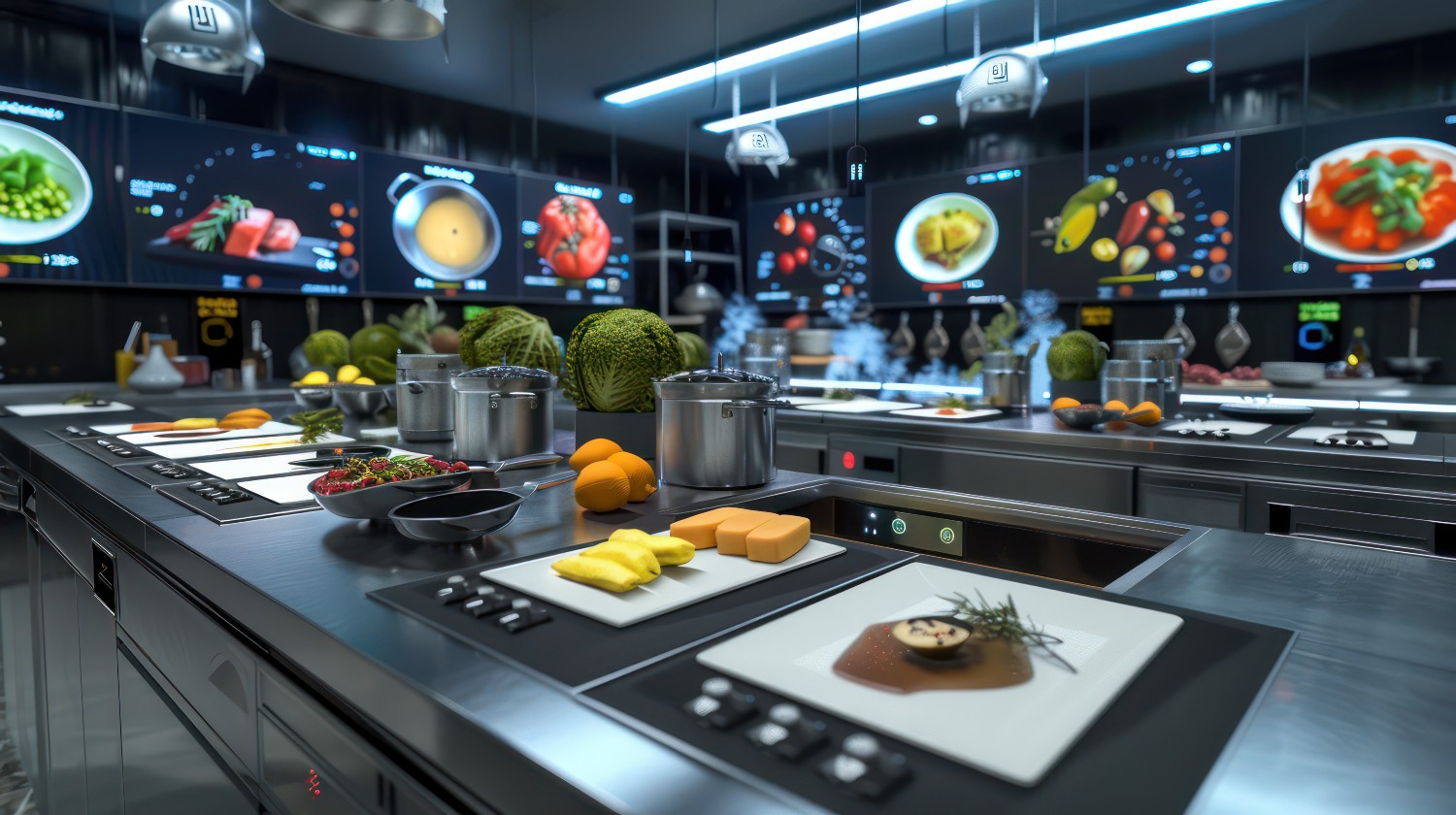
Technology has entered the kitchen, not with disruption, but with quiet precision. Artificial intelligence and data driven systems are now supporting chefs and producers, offering insights that refine rather than replace human instinct. Flavour combinations can be analysed, recipes adjusted, and waste reduced with a level of accuracy previously unimaginable. In agriculture, predictive systems optimise growing conditions, while in wine, digital tools enhance traceability and authenticity. Yet the essence of cooking remains unchanged. Creativity, intuition, and craftsmanship continue to lead. Technology simply becomes another layer, enhancing the process without overshadowing it.

Experience as Narrative: Dining Beyond the Plate
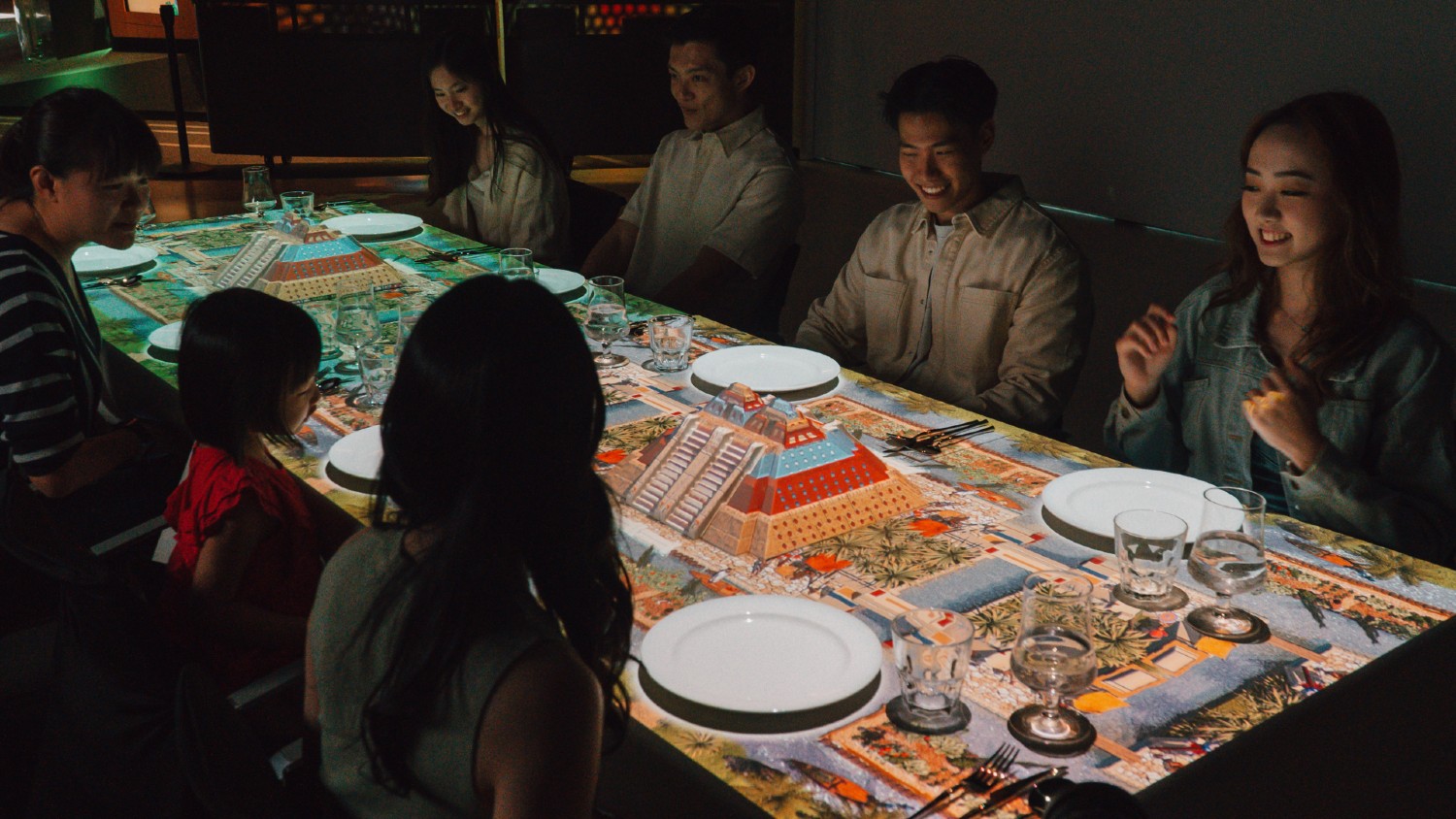
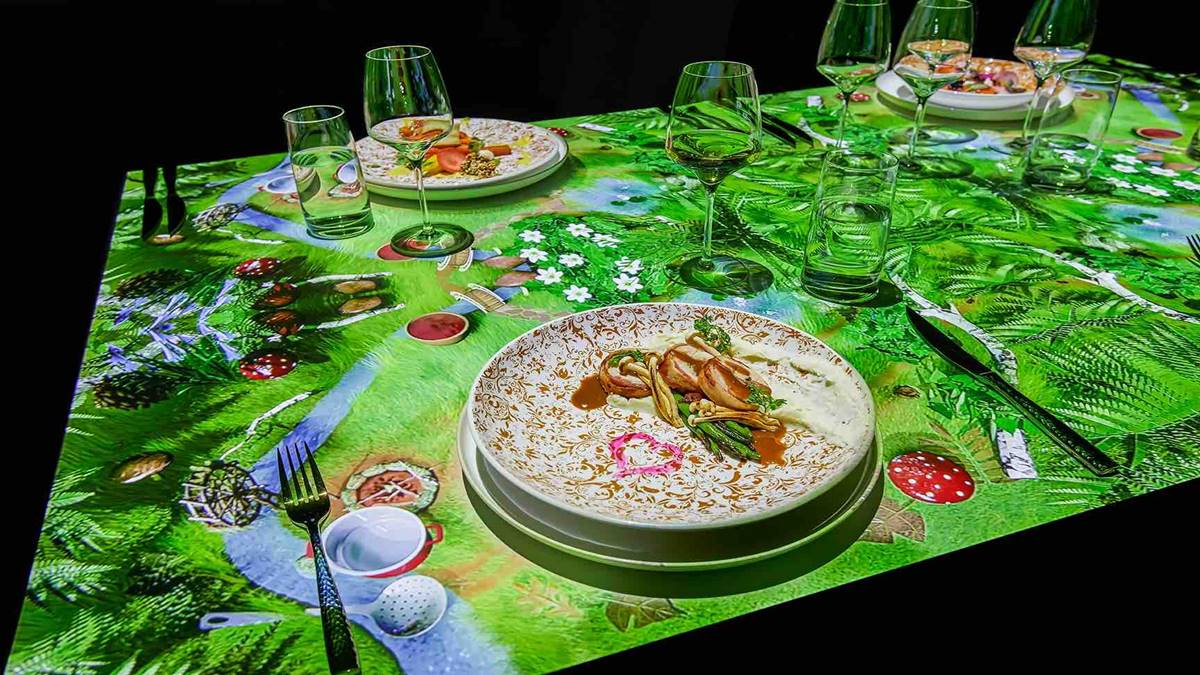
To dine in 2026 is to enter a story. Taste remains central, but it is no longer the only focus. Texture, sound, visual composition, and atmosphere all contribute to a more immersive experience. Restaurants are increasingly designed as environments rather than spaces. Each element is considered, from lighting to plating, from music to pacing. A meal unfolds as a narrative, where each course adds depth and meaning. This shift is particularly evident in more intimate formats. Private dining, curated gatherings, and experiential concepts create moments that feel personal and memorable. Dining becomes less about consumption and more about connection.
Heritage Reimagined: A Living Tradition
In a world driven by progress, there is also a return to roots. Traditional recipes, techniques, and ingredients are being rediscovered, not as nostalgia, but as a foundation for evolution. Chefs revisit heritage with a contemporary perspective, allowing familiar flavours to take on new forms. At the same time, global influences continue to flow, creating a landscape where cultures intersect and identities become layered. This dialogue between past and present defines the modern table. Authenticity is no longer about preservation alone, but about relevance, about allowing tradition to evolve without losing its essence.
A New Expression of Taste
Taken together, these six movements reveal a deeper transformation. Food and wine are no longer defined by luxury alone, but by intention, awareness, and connection. Taste is no longer purely sensory. It is shaped by knowledge, by origin, by the stories that surround it. A dish becomes more than its ingredients. It becomes a reflection of how those ingredients were grown, who cultivated them, and how they are brought together. In 2026, food is not simply consumed. It is understood. And in that understanding, a new kind of gastronomy emerges, one that is quieter, more thoughtful, and profoundly connected to the world around.