Caviar has never truly belonged to the Caspian Sea. It merely borrowed its mystique there. Today, the world’s most coveted fish eggs are no longer defined by icy Russian rivers or Persian lore, but by pristine waters in China, where tradition has quietly given way to precision, patience and scale.
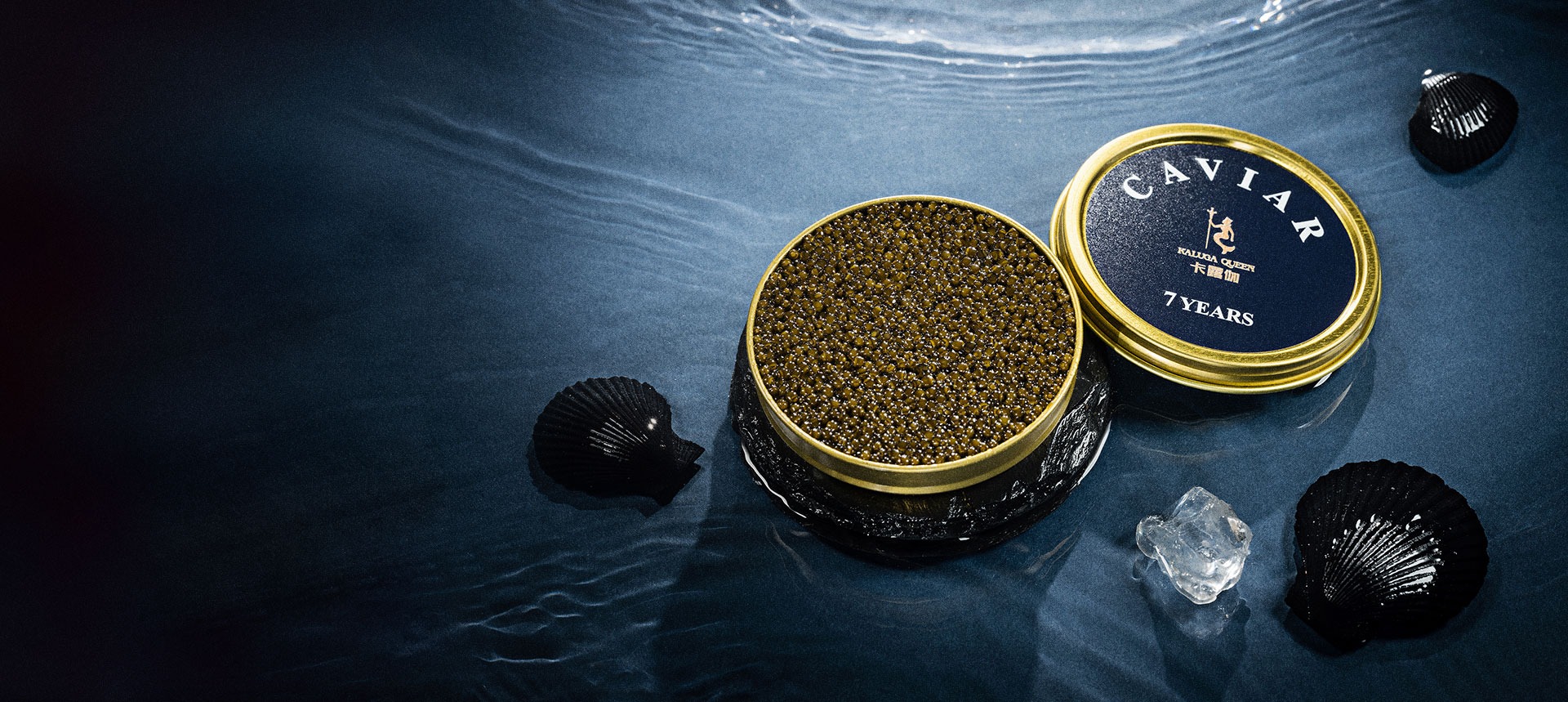
Hidden within the pristine waters of Qiandao Lake near Hangzhou, Kaluga Queen has quietly redefined the global caviar landscape. Producing an astonishing 260 tonnes of caviar annually, the company now supplies more than a third of the world’s demand, serving Michelin starred restaurants, luxury hotels and leading international airlines. What once seemed improbable has become an undeniable reality: China now sits at the heart of modern caviar production.
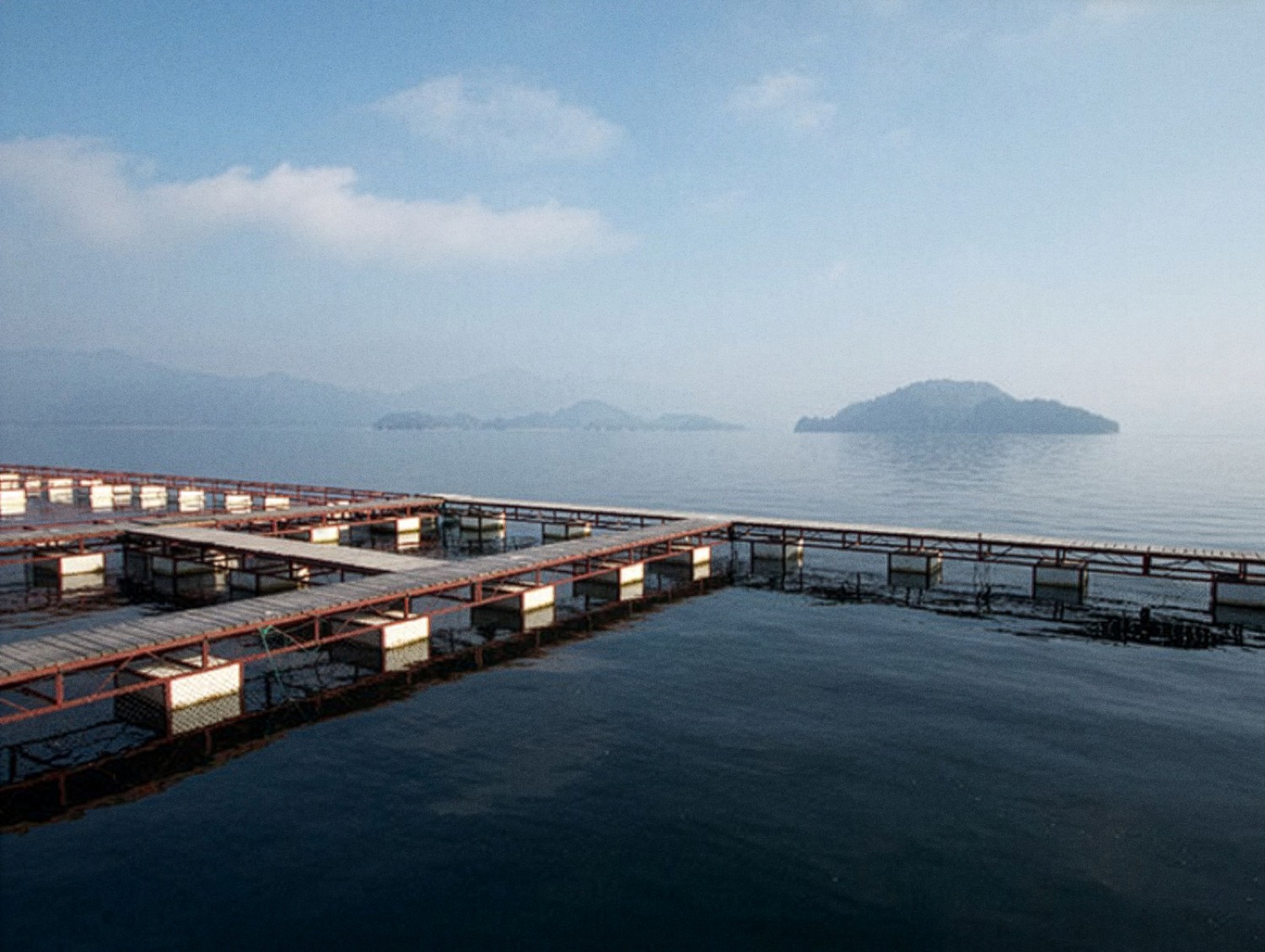
Reaching Kaluga Queen’s floating farms feels almost cinematic. A speedboat cuts across Qiandao Lake’s turquoise waters, where mist drifts over dark mountain silhouettes, evoking the calm of a classical Chinese painting. Created in the mid 20th century, the lake is now renowned as one of China’s cleanest freshwater bodies, its clarity and oxygen rich ecosystem offering ideal conditions for sturgeon farming.
Standing on the floating platforms, watching massive sturgeon glide beneath the surface, is both serene and humbling. These prehistoric fish have existed for more than 200 million years, surviving mass extinctions and the rise and fall of civilizations. Their longevity is matched only by the patience required to transform their roe into one of the world’s most coveted delicacies.
Caviar’s ascent from everyday sustenance to luxury icon is inseparable from the decline of wild sturgeon populations. Overfishing across major rivers in the 20th century pushed the species to the brink, prompting strict international regulations and accelerating the shift toward aquaculture. Founded as a research institute in 1998, Kaluga Queen emerged as one of the pioneers capable of turning necessity into refinement.
At Qiandao Lake, sturgeon are raised in net cages designed to replicate Caspian Sea conditions, supported by automated feeding systems and advanced waste processing. The company farms over a million sturgeon across several provinces, working with prized species such as Kaluga, Amur, Osetra and Beluga. Innovation plays a central role, particularly in crossbreeding programmes that shorten maturation timelines while preserving egg size, texture and flavour.
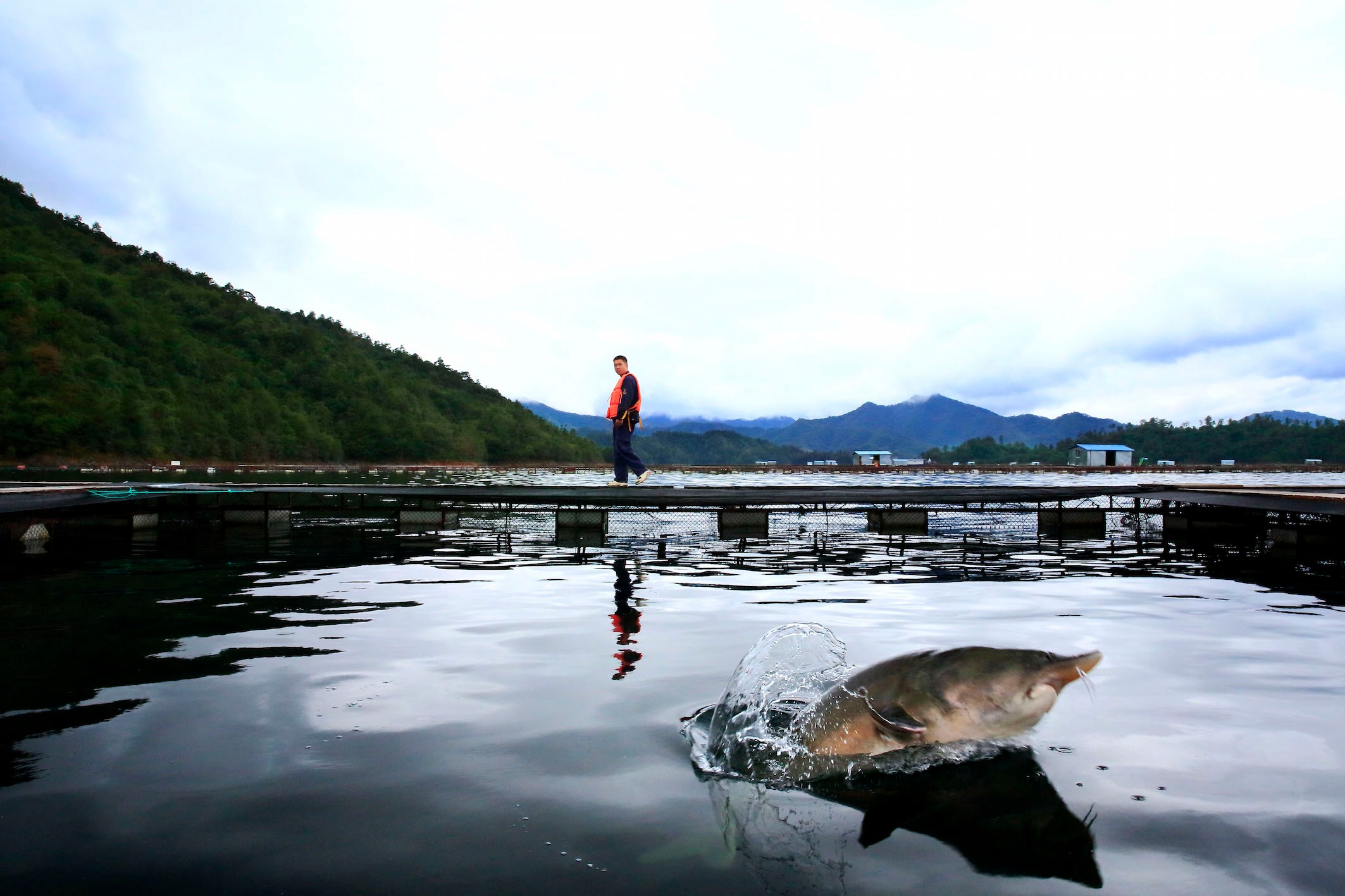
The process is defined by time. Sturgeon fry begin life in controlled indoor environments before spending years in the lake’s pristine waters. Once they reach sexual maturity, anywhere between seven and 20 years depending on species, they are transferred to land based facilities where flowing currents stimulate natural spawning behaviour. This careful orchestration allows Kaluga Queen to harvest caviar year round, a rare achievement in the industry.
Sustainability extends well beyond production. The company supports wild sturgeon repopulation by releasing bred fish into the Heilongjiang River and applies circular economy principles, repurposing byproducts as agricultural fertiliser. Transparency has become its strongest response to lingering scepticism, opening operations to chefs, buyers and media and allowing the process to speak for itself.
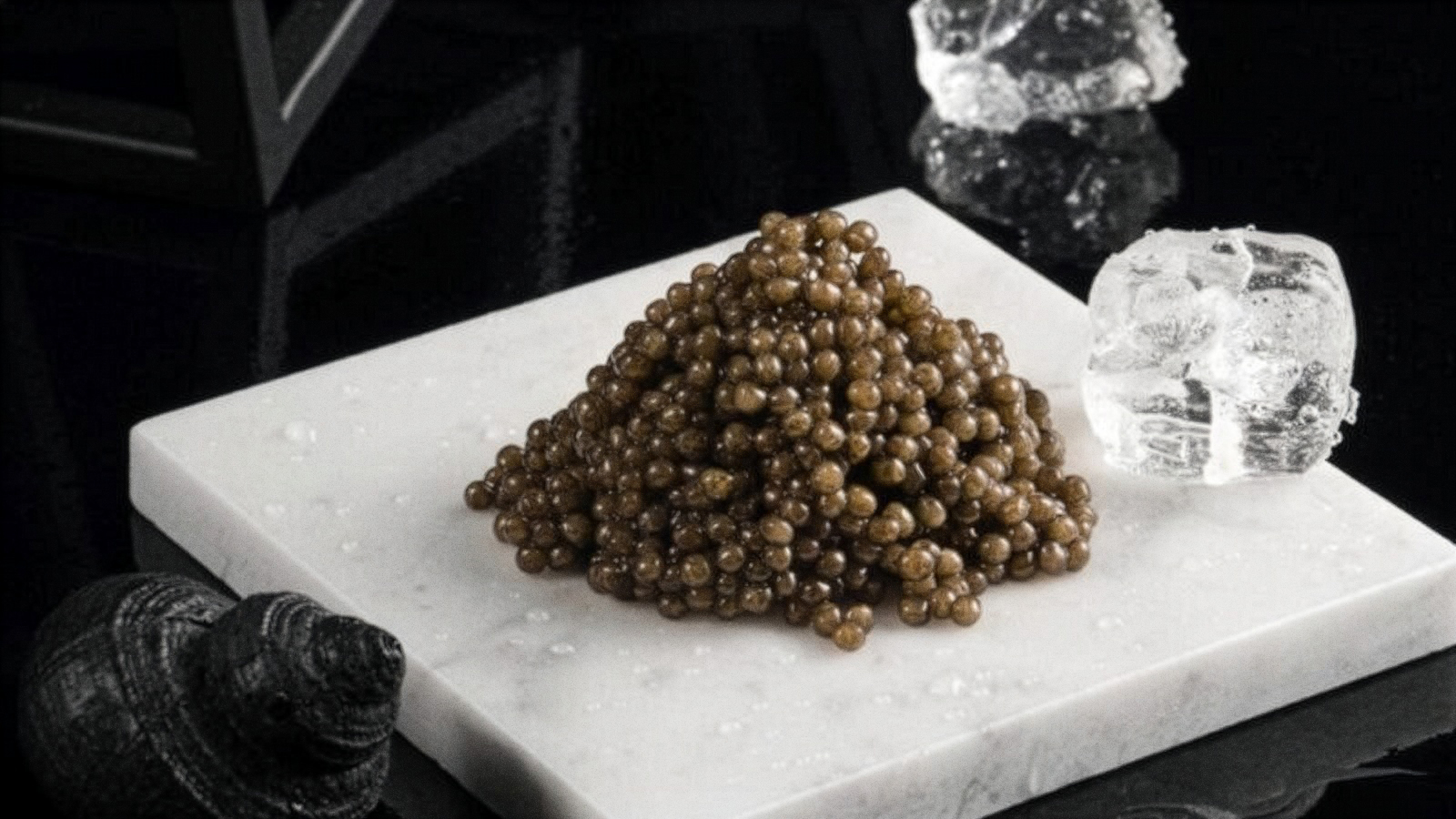
At home, Kaluga Queen is also reshaping caviar’s cultural image, introducing it to a younger generation through contemporary formats and casual settings. The goal is not dilution, but accessibility, reframing an ancient luxury without stripping it of meaning.
What Kaluga Queen ultimately represents is a distinctly modern vision of luxury, built on patience, science and respect for time. Each tin of caviar reflects years, sometimes decades, of care and precision. Whether the world is fully ready to embrace Chinese caviar is almost beside the point. It is already present on the finest tables, quietly defining the future of a luxury long shaped by scarcity.