There are restaurants that satisfy hunger, and then there are restaurants that alter the way we remember a place. In 2026, the world’s most extraordinary dining destinations are no longer defined solely by Michelin stars or rare ingredients, but by the emotional landscapes they create around the table. From medieval castles in Switzerland to rooftop palaces in Jaipur and wind-swept islands in the North Atlantic, these bucket-list restaurants invite travellers into deeply personal expressions of culture, nature, and craft.
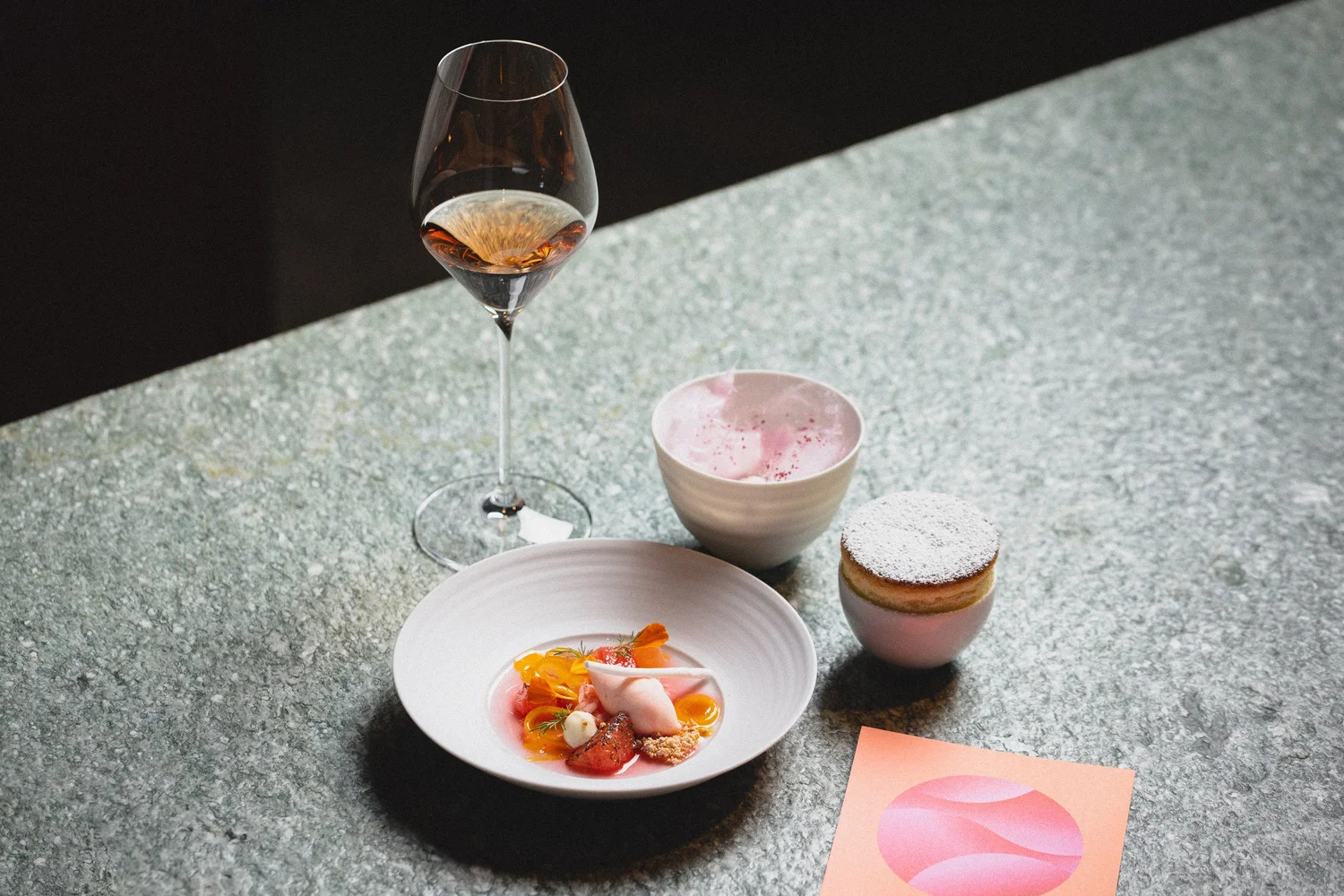
At Schloss Schauenstein, dining unfolds within the walls of a 12th-century castle surrounded by alpine valleys and snow-covered peaks. Chef Andreas Caminada transforms the tiny Swiss town of Fürstenau into one of Europe’s most compelling gastronomic pilgrimages. The experience feels intimate and deeply rooted in the rhythms of the landscape. More than 800 plant species flourish in the restaurant’s garden, inspiring dishes that shift delicately with the seasons, white strawberries paired with celery oil and jalapeño sorbet, or local chamois served with chanterelles and pumpkin. Here, luxury reveals itself through restraint, purity, and a profound connection to the land.
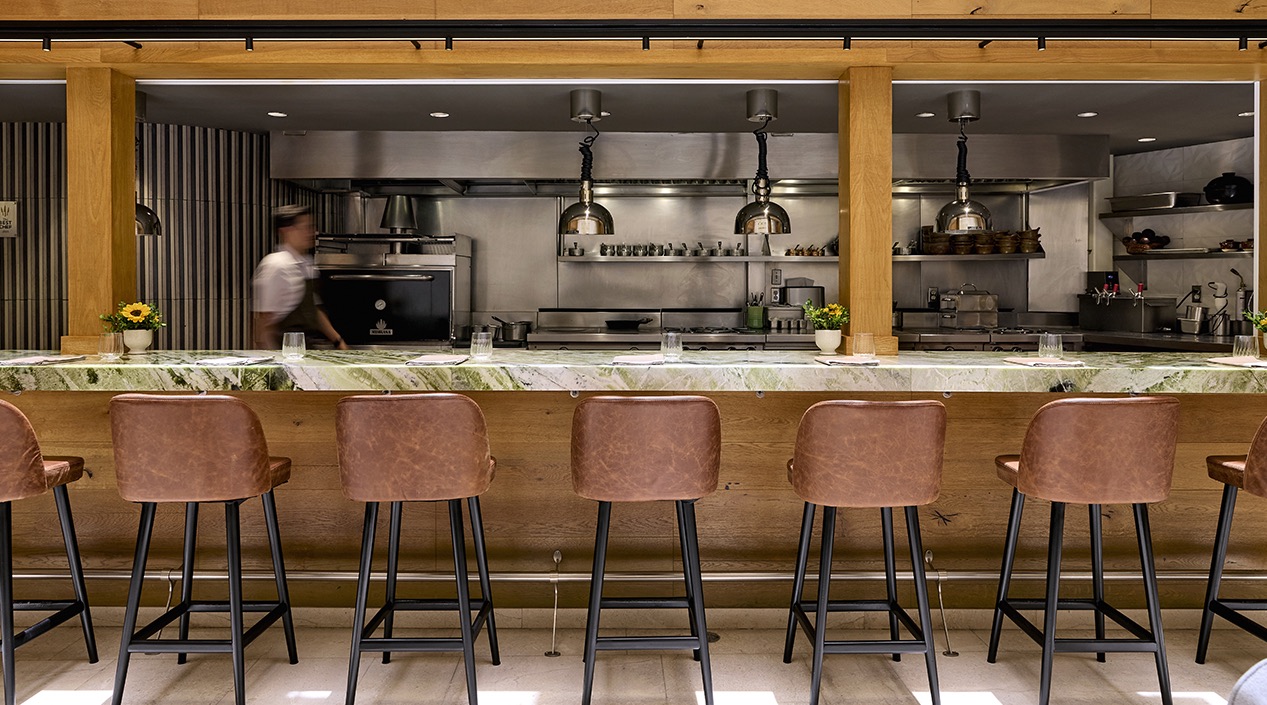
In Quintonil, chef-owner Jorge Vallejo redefines contemporary Mexican cuisine with elegance and imagination. Ranked among the world’s finest restaurants, Quintonil balances ancestral flavours with global influences in a dining room that feels both sophisticated and warmly alive. Escamoles, sea urchin, Thai basil, and Japanese koshikari rice appear together with remarkable harmony, reflecting a cuisine unafraid of evolution. Every plate carries a sense of curiosity, offering diners not only a meal, but a nuanced portrait of modern Mexico.
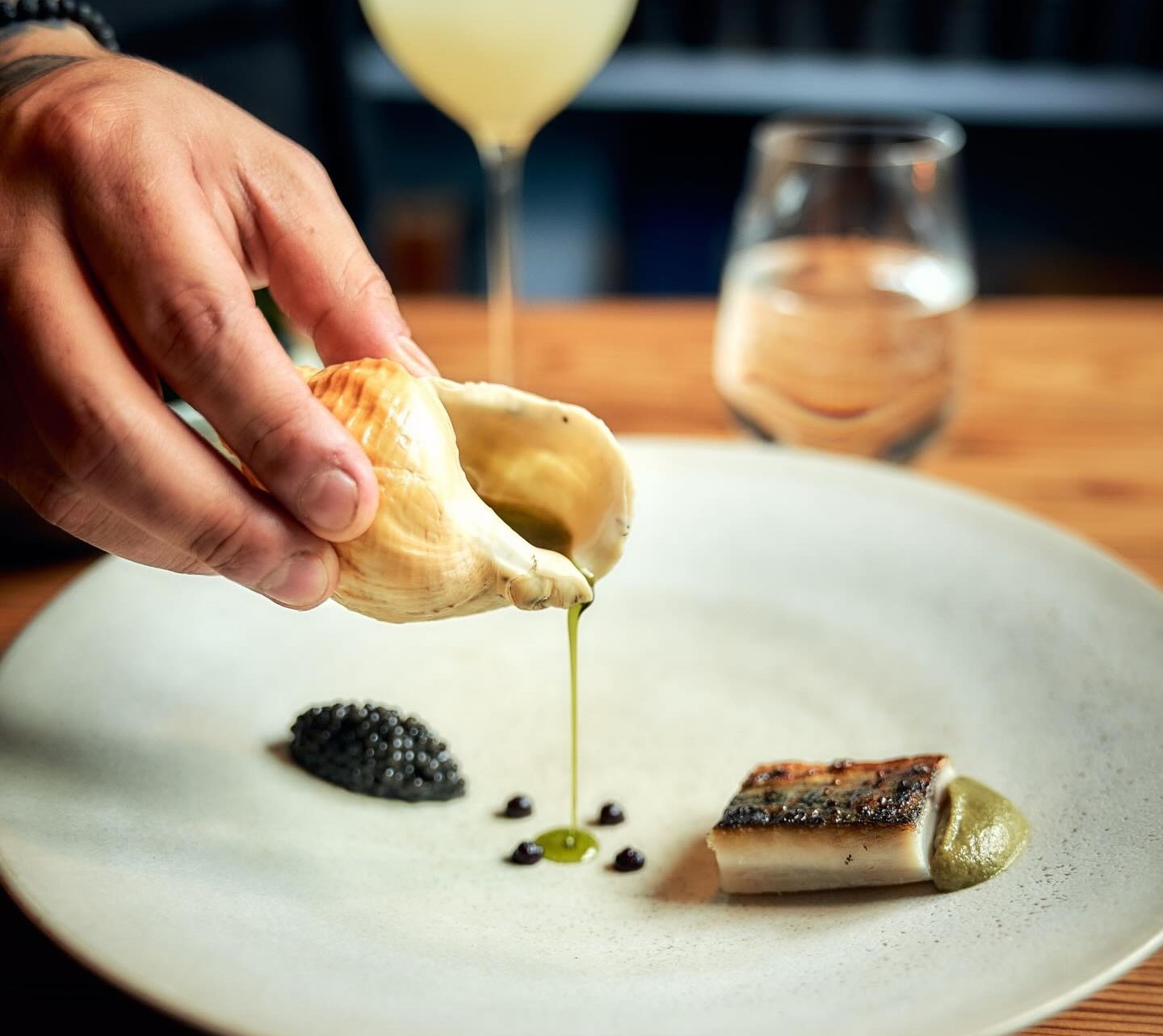
Far north in the Faroe Islands, Ræst feels almost mythological. Black timber walls, grass-covered roofs, and strips of fermenting lamb swaying in the ocean wind evoke centuries of Faroese tradition. Inside, chef Sebastian Jiménez merges Nordic ingredients with subtle Mexican and Japanese influences, creating a menu unlike anywhere else in the world. Sea cucumber chicharrón and fermented sweet potato become expressions of both place and migration. Dining here feels elemental, shaped by salt air, isolation, and the quiet intensity of nature itself.
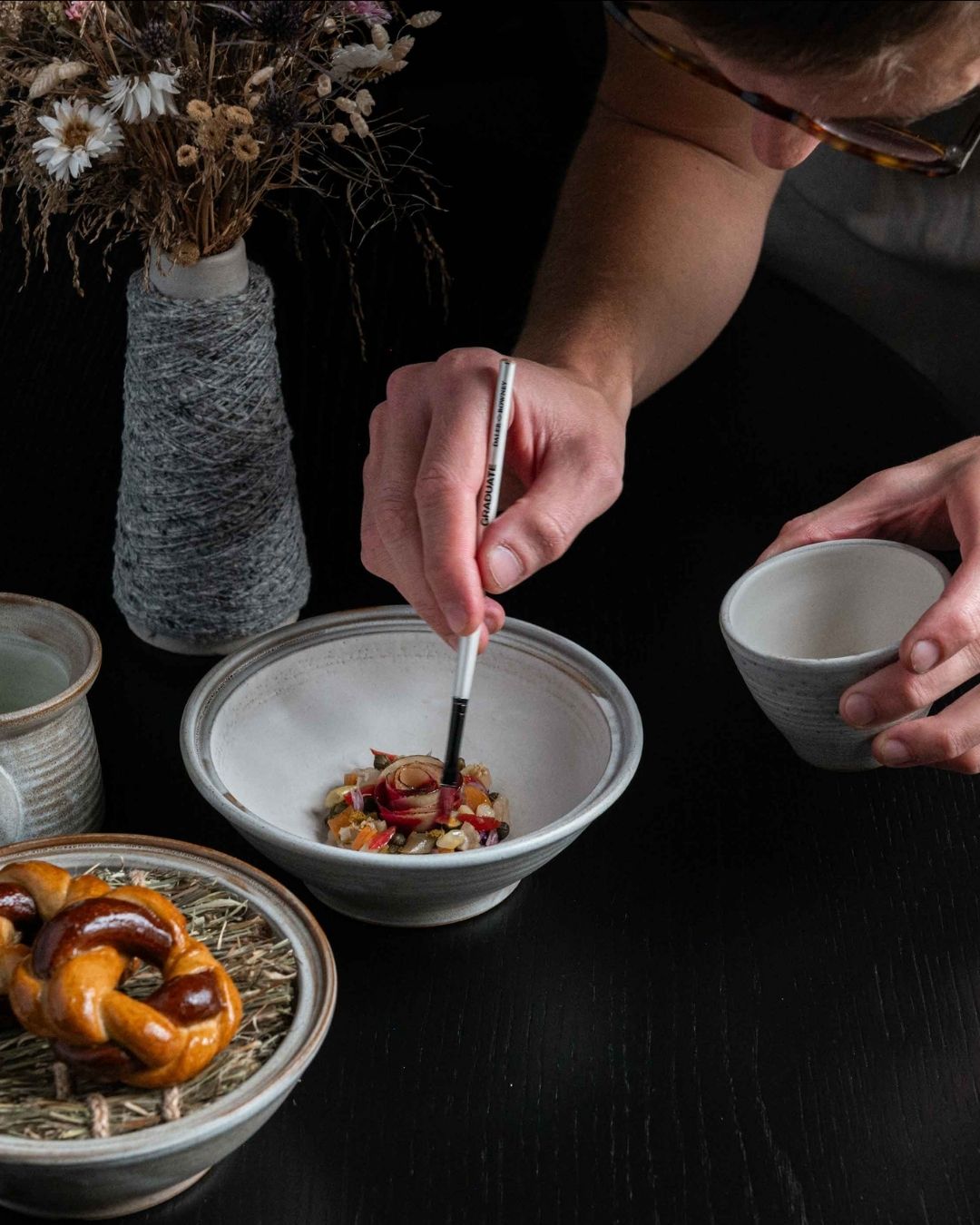
Among the Dolomites of northern Italy, Atelier Moessmer offers a different kind of refinement. Chef Norbert Niederkofler champions his “cook the mountain” philosophy with soulful precision, sourcing exclusively from the surrounding alpine region. The atmosphere is warm rather than theatrical, centred around an open kitchen where dishes arrive with deceptive simplicity. Wild garlic spätzle beneath koji zabaglione or pristine seasonal vegetables reveal the extraordinary potential of hyperlocal cuisine. Here, sustainability is not presented as a concept, but as an act of beauty and respect.
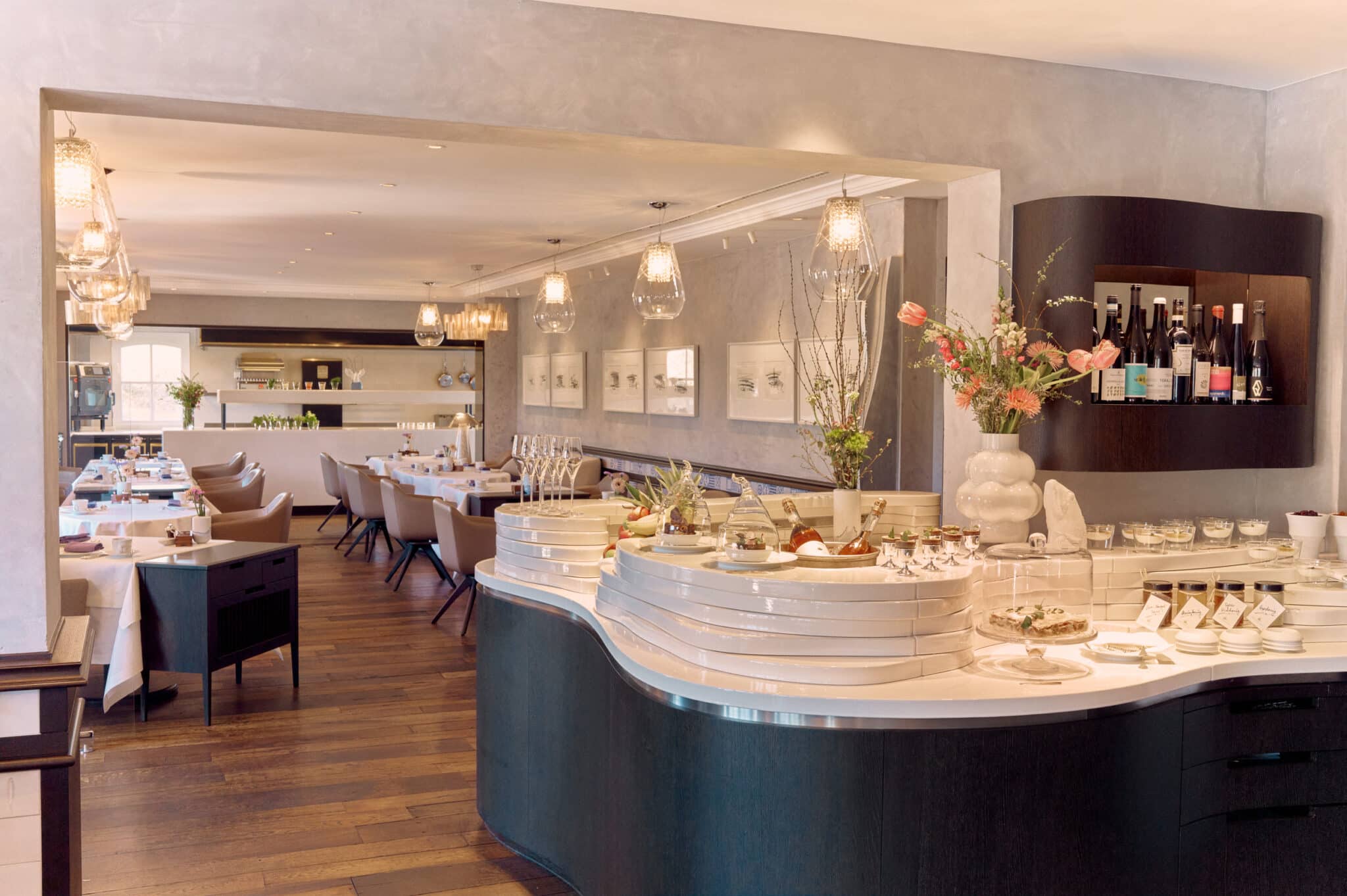
On the windswept German island of Sylt, Söl’ring Hof captures the melancholic romance of the North Sea. Chef Jan-Philipp Berner crafts tasting menus that shift constantly with the changing seasons and moods of the coastline. Oysters harvested nearby, lobster paired with Mirabelle plums, and warming winter dishes inspired by stormy beaches all reflect an intimate understanding of place. The cuisine feels atmospheric, light and floral in summer, darker and comforting during the colder months.
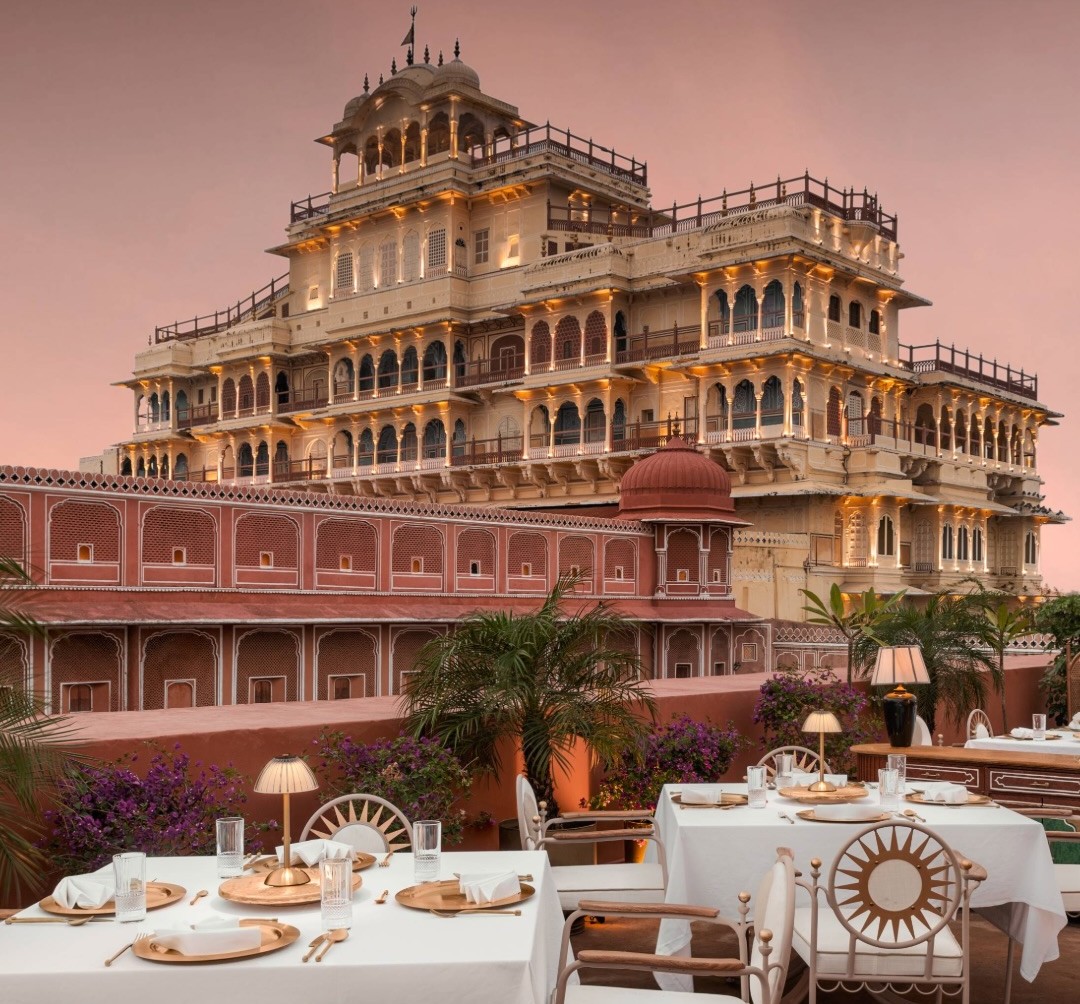
In India, Sarvato transforms the rooftop of Jaipur’s City Palace into a deeply evocative culinary stage. Surrounded by carved stone screens and royal courtyards, chef Sonukumar Singh elevates indigenous Rajasthani ingredients through contemporary technique. Desert berries, pearl millet, Mathania chilli, and smoky curries speak of Rajasthan’s climate, resilience, and cultural memory. Dining beneath the palace arches after sunset feels almost cinematic, where history and gastronomy merge into a singular sensory experience.
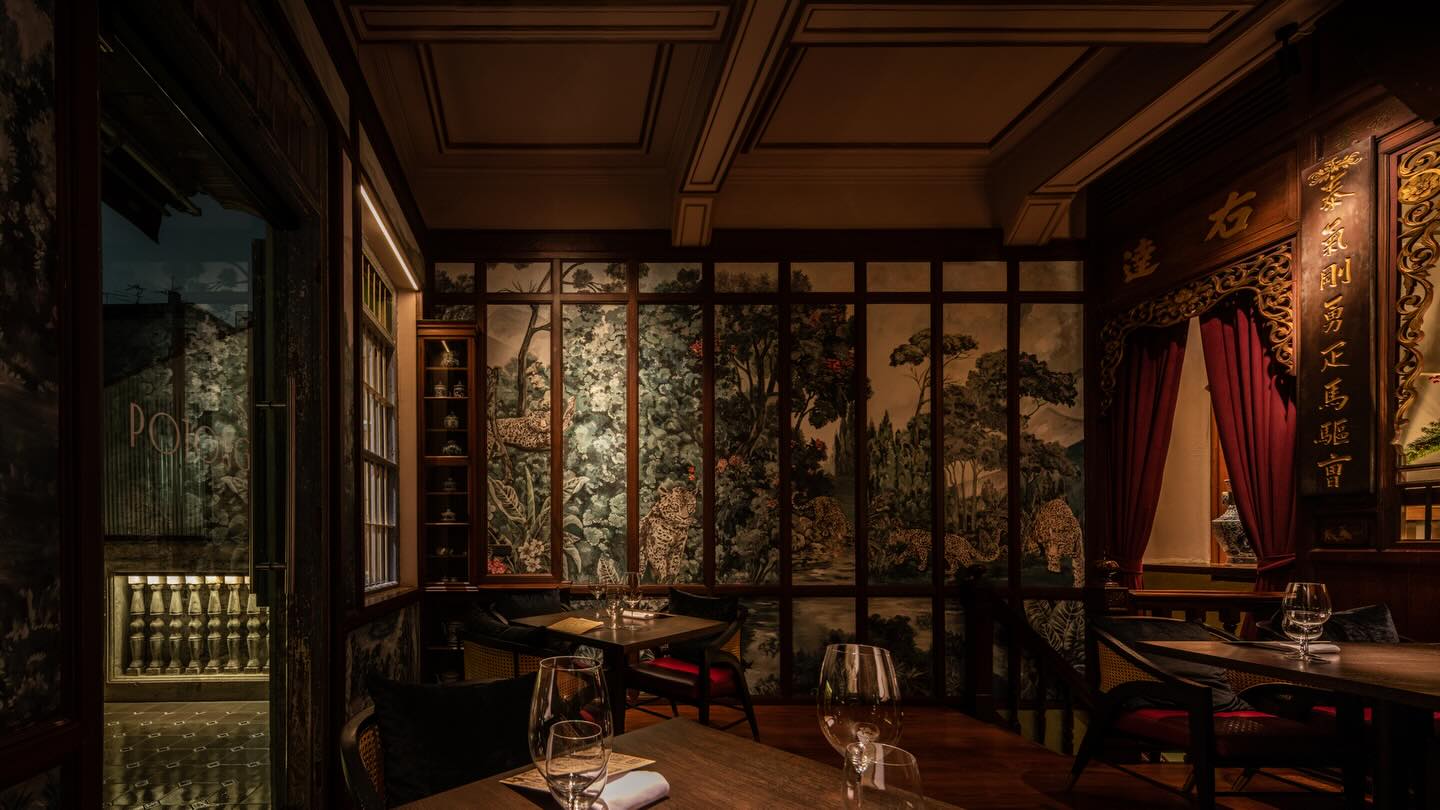
Meanwhile, in Bangkok’s Chinatown, Potong continues to reshape the future of Thai fine dining. Housed within chef Pichaya Soontornyanakij’s family apothecary, the restaurant combines bold Thai-Chinese flavours with theatrical storytelling and contemporary technique. Roasted duck brain served in the skull and modern interpretations of pad thai challenge expectations while remaining deeply rooted in heritage. Potong represents a new chapter in Asian gastronomy, fearless, emotionally layered, and globally influential.
In 2026, the world’s most memorable restaurants are not simply places to eat. They are destinations where architecture, landscape, memory, and flavour converge into experiences that linger long after the final course.