When haute cuisine enthusiasts discuss the aristocracy of the fungal kingdom, the conversation almost invariably begins and ends with the truffle. Yet, beneath the damp woodland floors and ancient forest canopies lies a diverse pantheon of wild mushrooms. Beyond standard truffles, elite chefs are turning toward rare fungi that defy mass cultivation. Offering an authentic taste of terroir that no greenhouse can replicate, these untamed treasures represent the absolute pinnacle of culinary luxury for the modern epicurean.
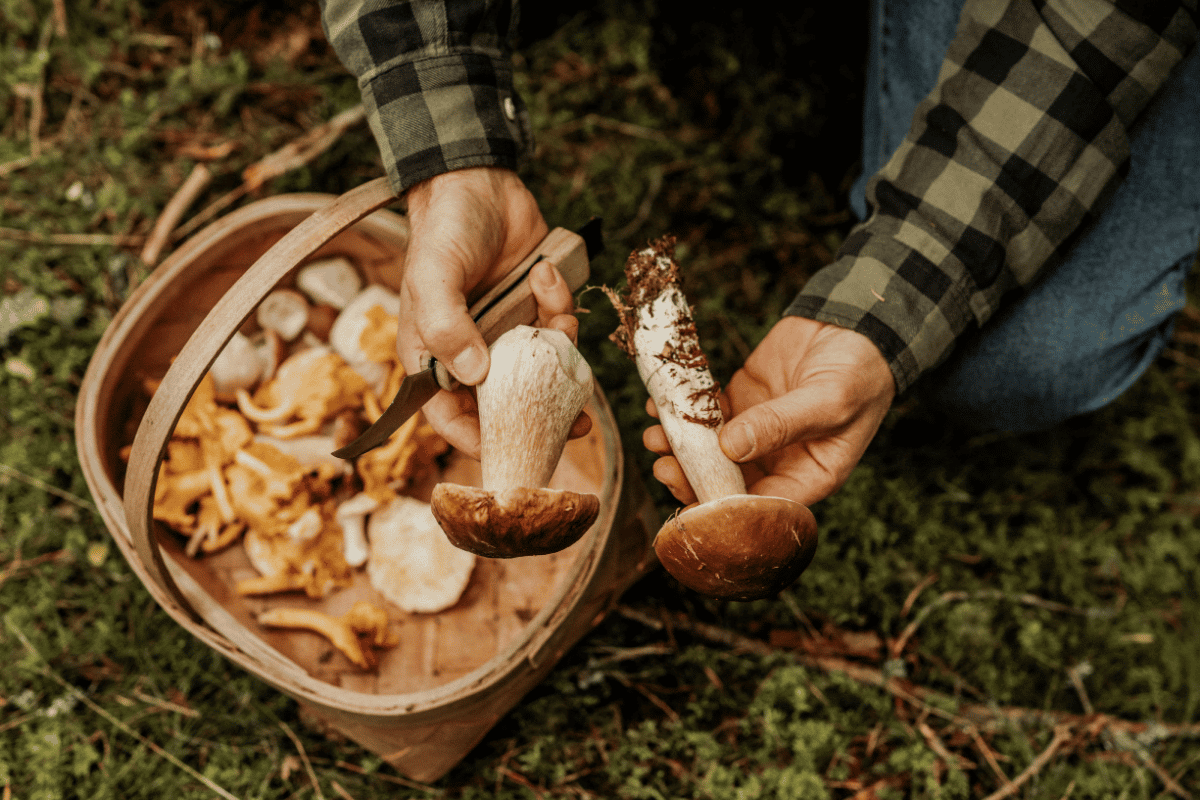
Porcini: The King of Forest Flavors
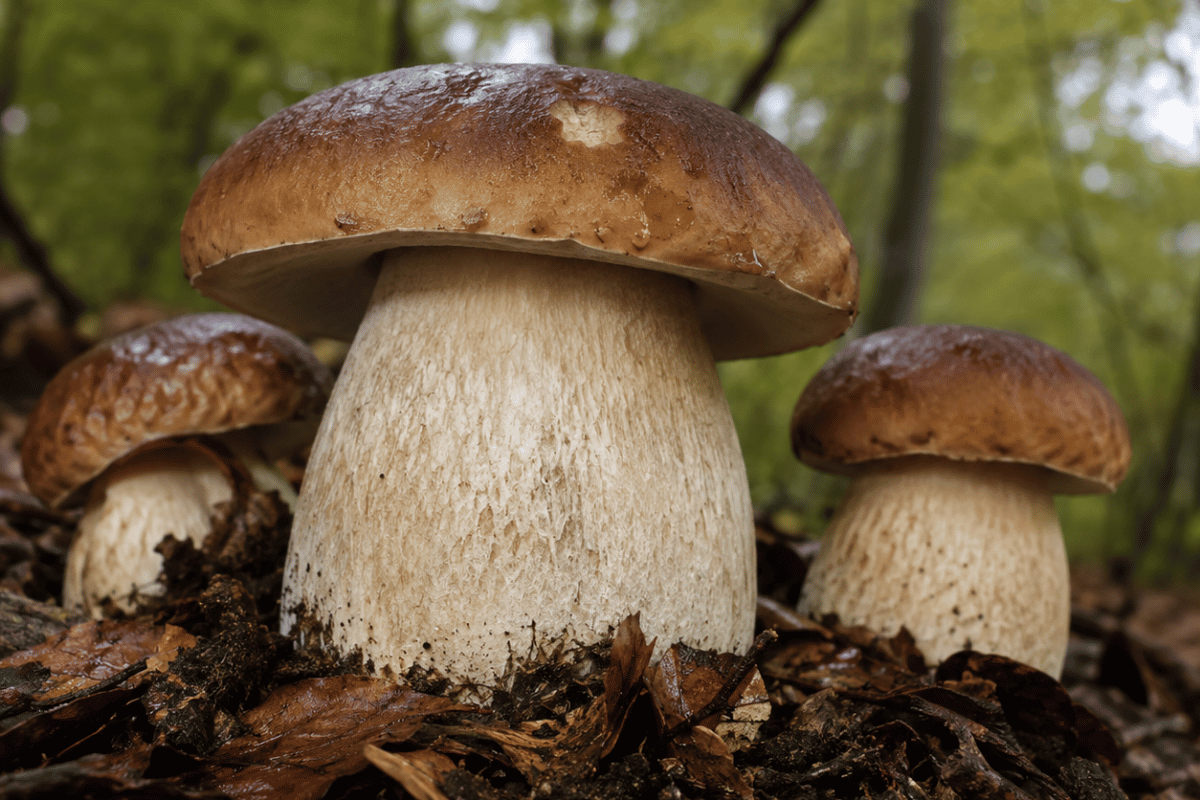
Originating primarily from the forests of Italy and France, where they are affectionately known as ceps or funghi porcini, porcini stand tall as the true heavyweights of the wild mushroom world. With thick, bulbous stalks and rich, chestnut-brown caps, these formidable fungi possess a meaty, substantial texture, featuring a flavor profile characterized as meaty, nutty, earthy, and creamy. Porcini are exceptionally rich in natural glutamates, delivering a concentrated punch of savory depth that acts as a structural backbone in the kitchen. They are famously utilized in rich risottos, creamy pastas, hearty soups, and luxurious sauces, while also pairing wonderfully with game meats and truffles. For home cooks and elite chefs alike, a clever professional secret is that dried porcini add concentrated umami to broths and sauces, transforming a simple reduction into a masterpiece
Provenance: Italy & France (also called ceps or funghi porcini).
Chanterelles: Elegance of the Woods
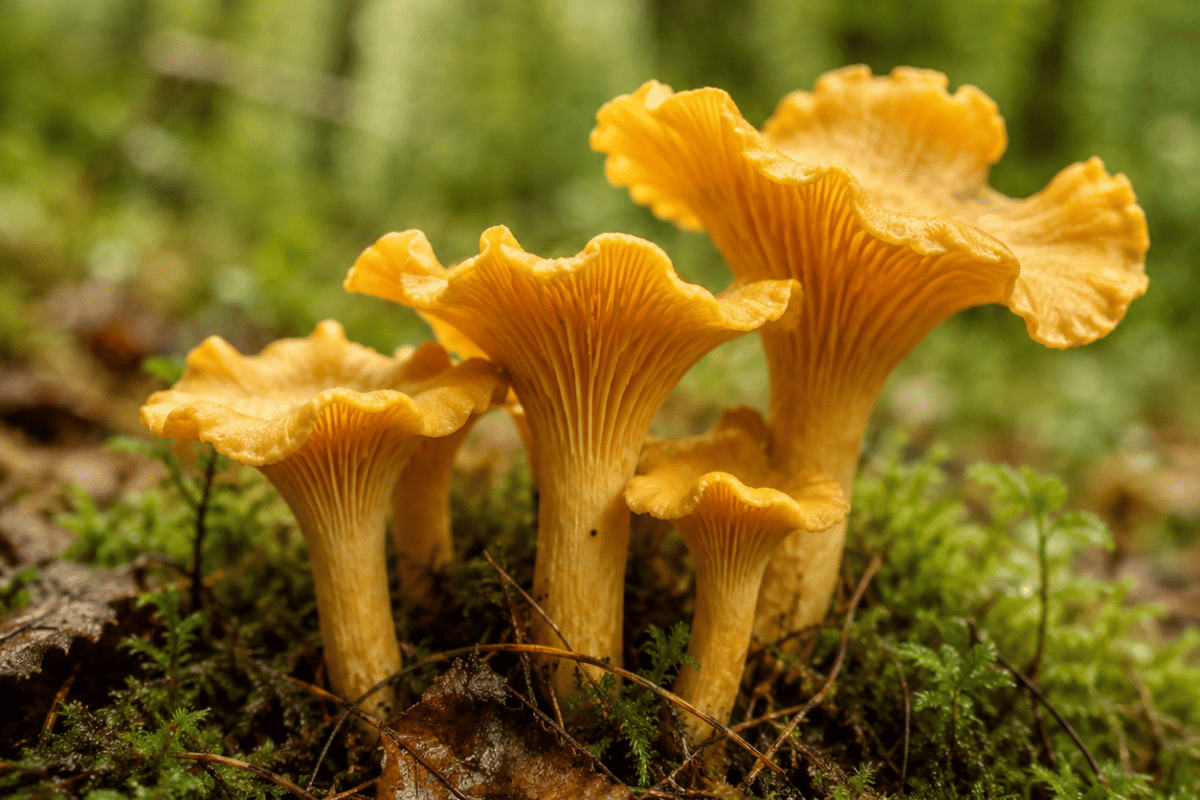
Moving into the European autumn, the golden elegance of Chanterelles, the golden jewels of the forest, takes center stage. Instantly recognizable by their trumpet shape, vibrant goldenyellow hue, and delicate apricot-like aroma, Chanterelles offer a tender yet pleasantly chewy bite with a subtle pepper finish and a hint of fruit that bridges the gap between earthy and sweet. Their natural affinity for butter, cream, and fresh herbs makes them a favorite for rich reductions, omelets, savory pastries, and as an exquisite garnish for fish or poultry. To bring out their true elegance, a classic preparation involves sautéing them gently with shallots, herbs, and a splash of white wine, allowing their golden juices to bleed into the pan and create an unforgettably luxurious sauce
Provenance: Europe & North America.
Morels: The Honeycomb Masterpieces
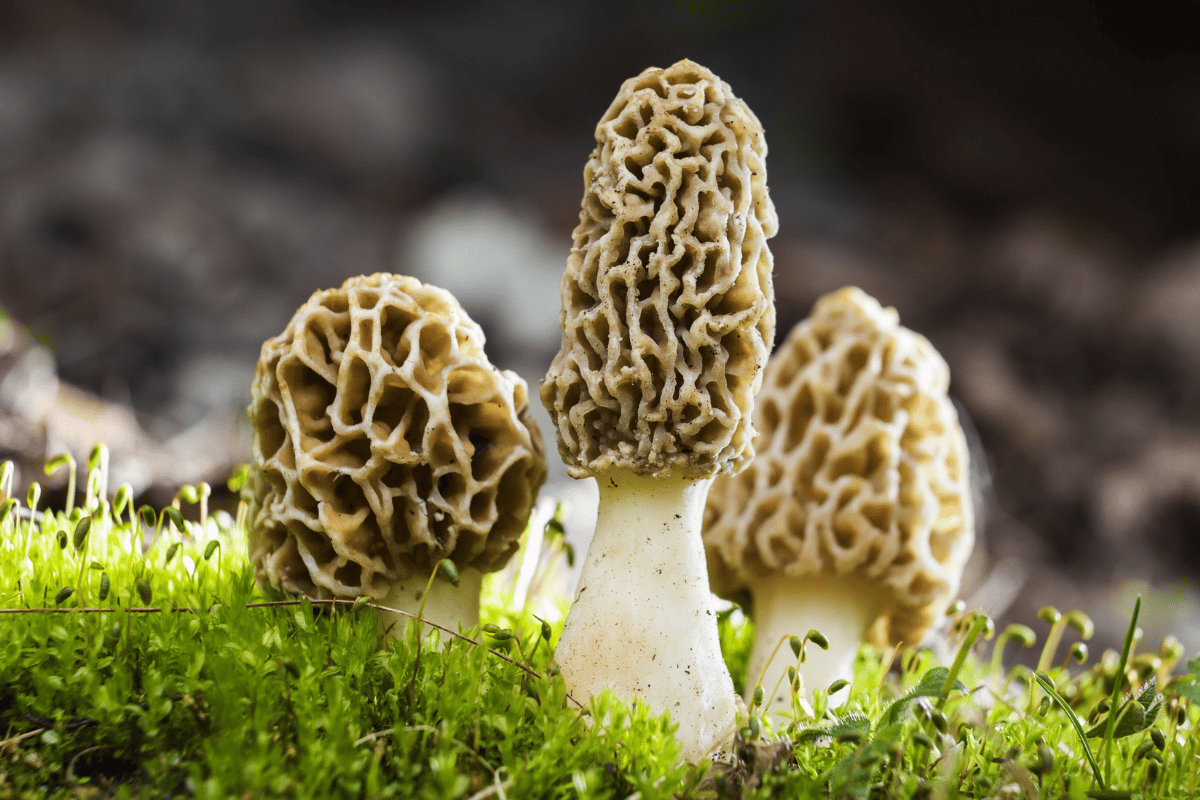
As the seasons shift, the brief, rare, and fleeting spring window for Morels arrives. Identified instantly by their distinctive, honeycomb-like caps, these prized fungi are celebrated for their delicate, nutty, and earthy flavor profile, making them a true rite of passage for spring menus in elite restaurants. Their porous structure is a defining physical characteristic, allowing them to absorb sauces, broths, and rich wine infusions beautifully. Because fresh morels are strictly toxic when raw and require meticulous cleaning and thorough cooking to unlock their culinary magic, they reach their absolute zenith when pan-fried in foaming butter, finished with cream, and served in delicate sauces designed for poultry or veal
Provenance: Temperate regions of North America, Europe, and parts of Asia.
Black Trumpet: The Chef’s Secret Weapon
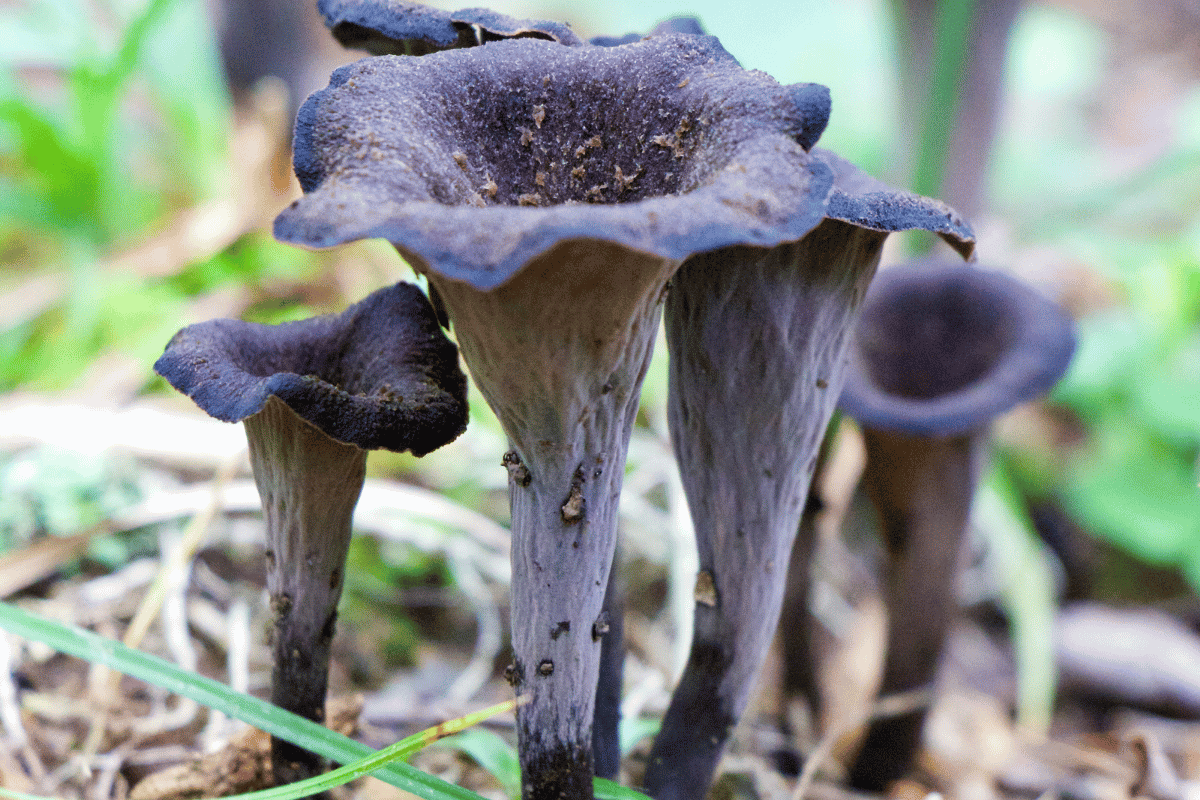
Often referred to by their poetic alternative name, the "Horn of Plenty," Black Trumpet mushrooms are a true chef's secret weapon in modern gastronomy. Visually, they present a dramatic, dark funnel shape paired with a velvety texture that feels almost luxurious on the palate. Their flavor profile is distinctly smoky, earthy, and deep. Because of their rich aromatic presence, they are frequently integrated into artisanal risottos, handmade pastas, and even creative savory desserts, while seamlessly pairing with fine poultry and delicate seafood selections.
Provenance: Temperate zones of North America and Europe.
Shiitake: The Umami Powerhouse
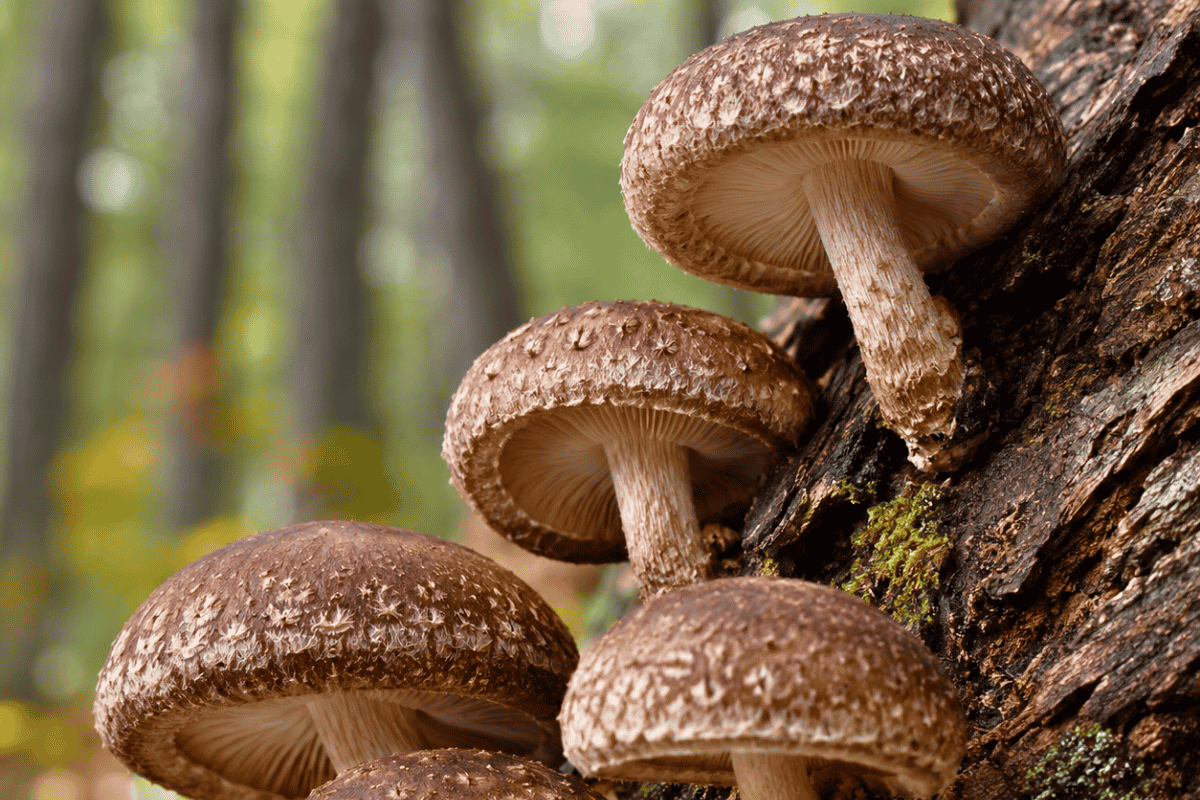
While many wild varieties are European or North American, the Shiitake represents a global powerhouse originating from East Asia that has successfully bridged Eastern and Western cuisines. Characterized by a rich, savory, and intense umami punch, shiitakes bring a robust depth to the plate. In professional and home kitchens alike, they are heavily relied upon for crafting deeply nourishing broths, clear consommés, elevated vegetarian dishes, and high-end stir-fries, proving that depth of flavor does not always require heavy animal fats.
Provenance: East Asia (now global).
Matsutake: The Scent of Luxury
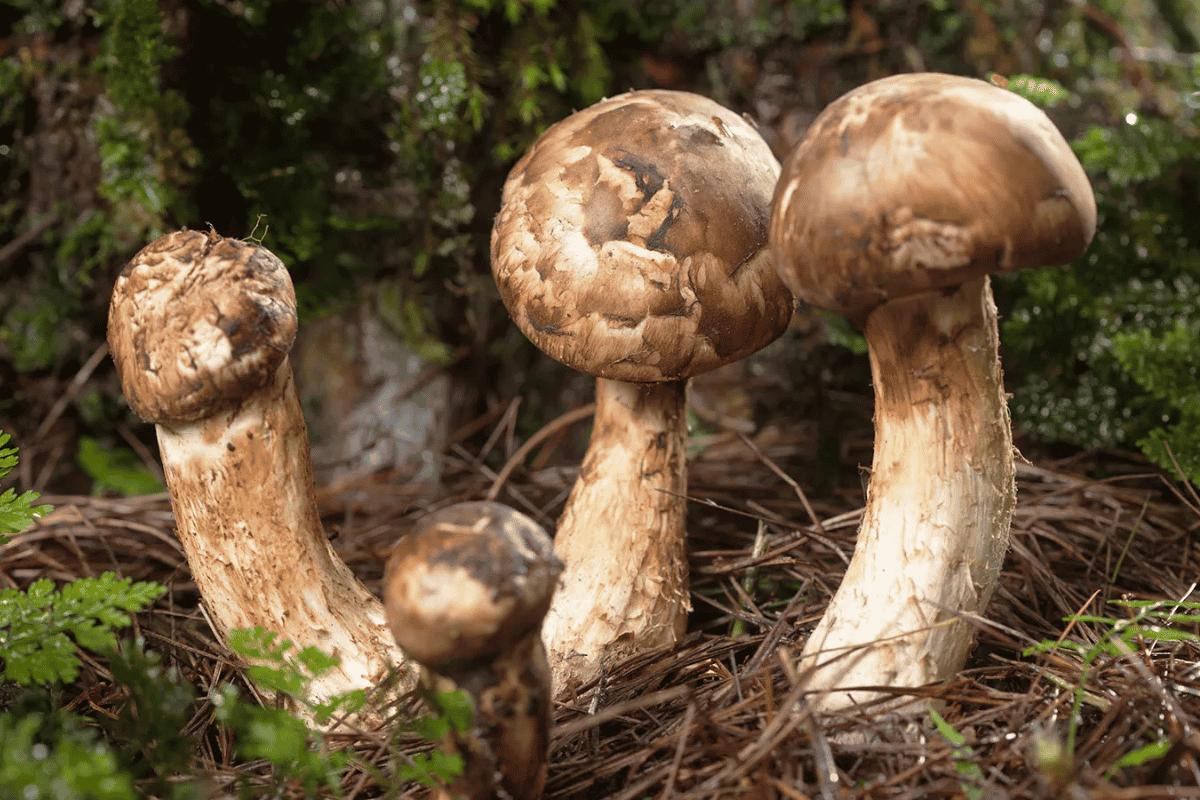
At the absolute apex of rarity sits the Matsutake, a legendary mushroom originating from Japan where it is fiercely prized and heavily restricted to special occasions and exclusive tasting menus. Revered in Asian gastronomy for centuries, this pinescented fungus stubbornly refuses to grow anywhere except in symbiotic harmony with the roots of specific live pine trees, rendering it entirely uncultamable. Defined by an intensely resinous, spicy, and pine-like fragrance that smells like a damp autumn pine forest distilled into a single bite, the Matsutake demands absolute respect. Because its volatile aromatics easily dissipate under high heat, top-tier chefs typically serve it simply—either lightly grilled over binchotan charcoal or gently steamed in clear, delicate soups to preserve its sacred essence.
Provenance: Japan, Korea, China, and the Pacific Northwest.
Lion’s Mane (Pom Pom Blanc): The Seafood of the Forest
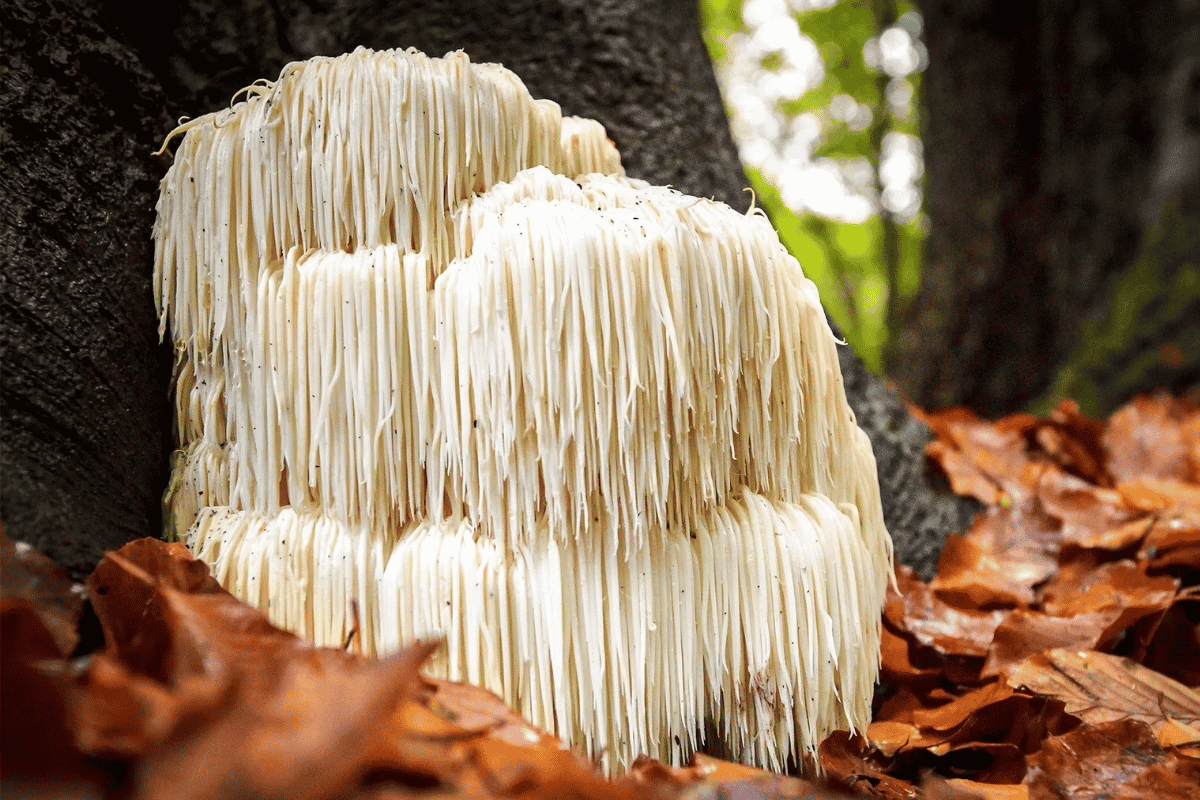
With a dramatic, cascading white icicle structure that resembles a frozen waterfall, Lion's Mane (Hericium erinaceus) has become a darling of modern avant-garde and plant-forward fine dining. Unlike traditional capped mushrooms, its unique fleshy tendrils yield a tender, succulent texture strikingly reminiscent of lobster, crab, or tender scallops when seared. Delicate, subtly sweet, and ocean-adjacent in its mouthfeel, it absorbs delicate pan-sauces brilliantly while maintaining an elevated visual artistry on the plate.
Provenance: Hardwood forests across North America, Europe, and Asia.
Artistry on the Plate
Mastering mushroom cookery is considered a rite of passage for both professional chefs and ambitious home cooks. Elevating these ingredients requires an understanding of diverse showcase techniques, ranging from slow roasting and gentle sautéing to pickling and complex liquid infusions. When building flavor profiles, classic pairings include rich dairy like cream and butter, aged cheeses, and fine wines. A winning flavor play involves matching earthy mushrooms with bright citrus, fresh aromatic herbs, and warming spices to cut through their natural density. Whether creating a reduction or executing a gentle sauté in olive oil, treating mushrooms with patience allows their inner soul to shine.
.png)
Mushrooms are far more than mere culinary components, they are the true soul of many iconic dishes across global gastronomy. From the rustic, robust charm of the porcini to the rare elegance of morels, black trumpets, and truffles, these forest gems inspire boundless culinary creativity and elevate dining into an enduring art form. As the world of fine food continues to evolve, mushrooms remain completely timeless: an enduring symbol of luxury, refinement, and uncompromised culinary excellence.