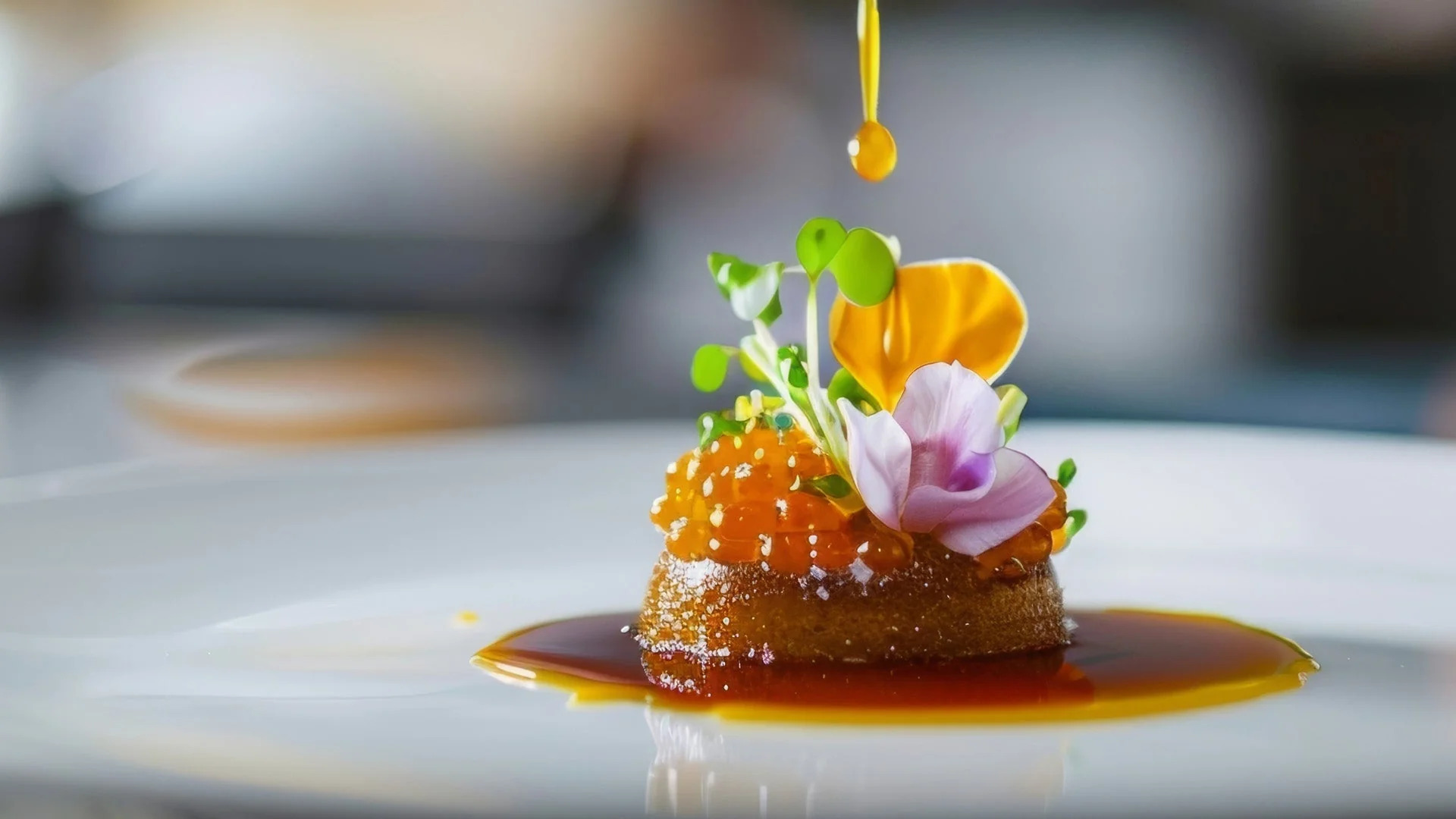
From molecular precision to AI driven creativity, the modern kitchen is entering a new era where science and artistry converge. Technology no longer supports the chef, it collaborates, reshaping how flavours are imagined, crafted, and experienced through innovation, precision, and a deeper understanding of both ingredient and guest.
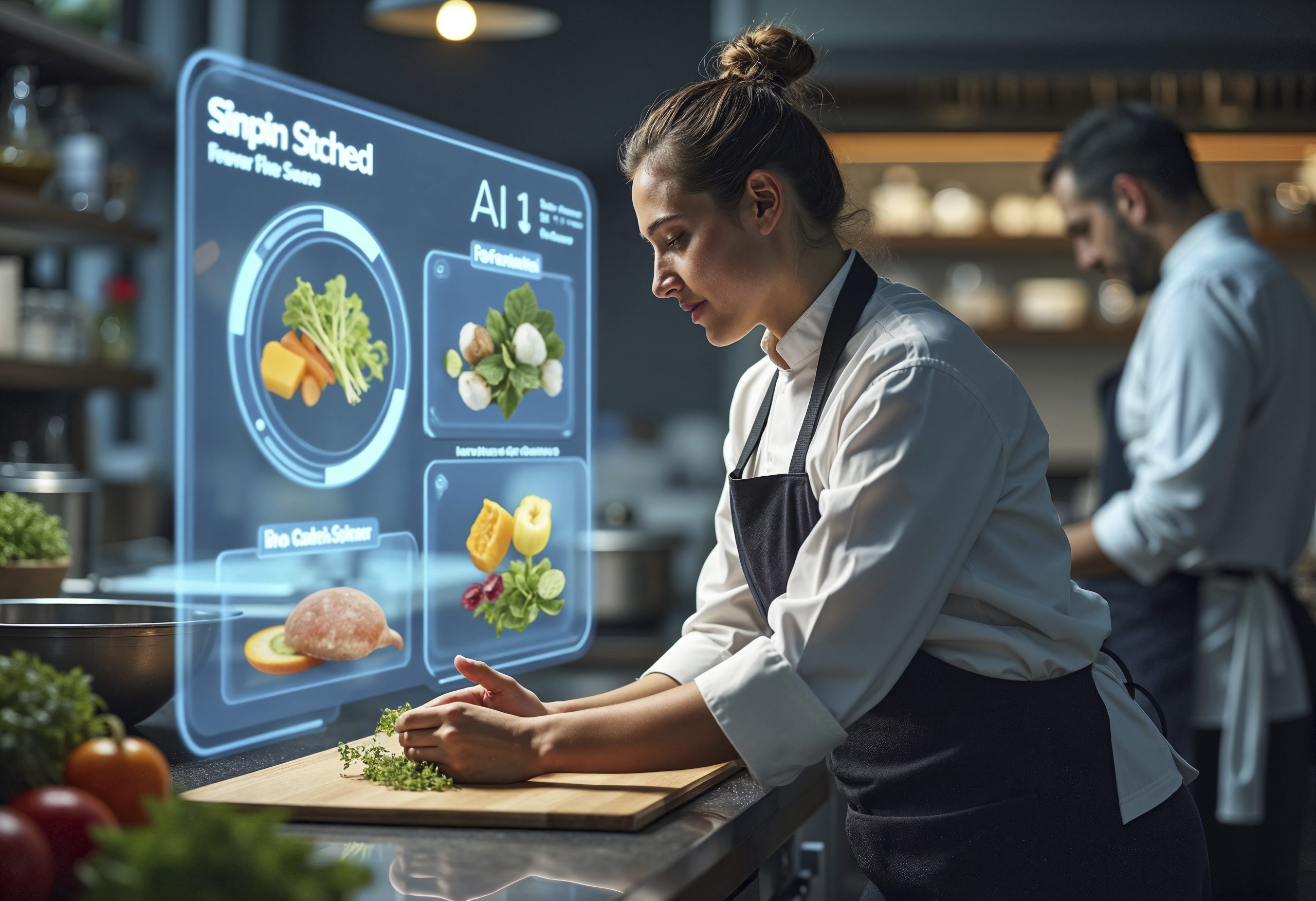
Technology Meets the Kitchen: The New Architecture of Culinary Innovation
The contemporary kitchen is undergoing a profound transformation. No longer defined solely by craftsmanship passed from generation to generation, it now operates at the intersection of science, engineering, and digital intelligence. Technology has evolved into a creative partner, shaping not only how food is prepared but how it is imagined and experienced. This shift signals the emergence of a new culinary language. Precision, data, and innovation now work alongside intuition and heritage. The result is a kitchen that functions simultaneously as a laboratory, a studio, and a stage, where each dish becomes an expression of both technical mastery and creative intent.
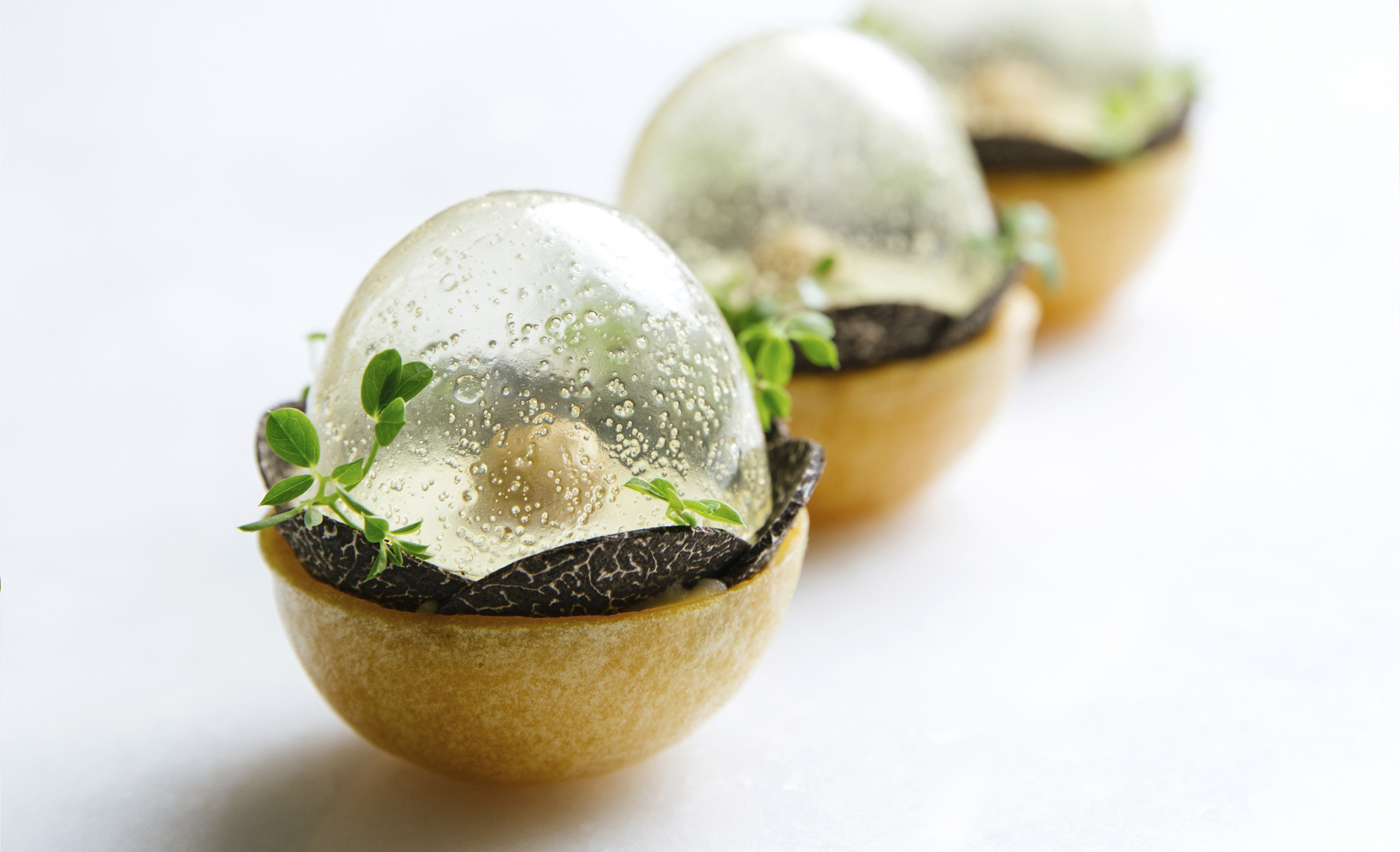
Scientific Gastronomy: The Foundation of Modern Innovation
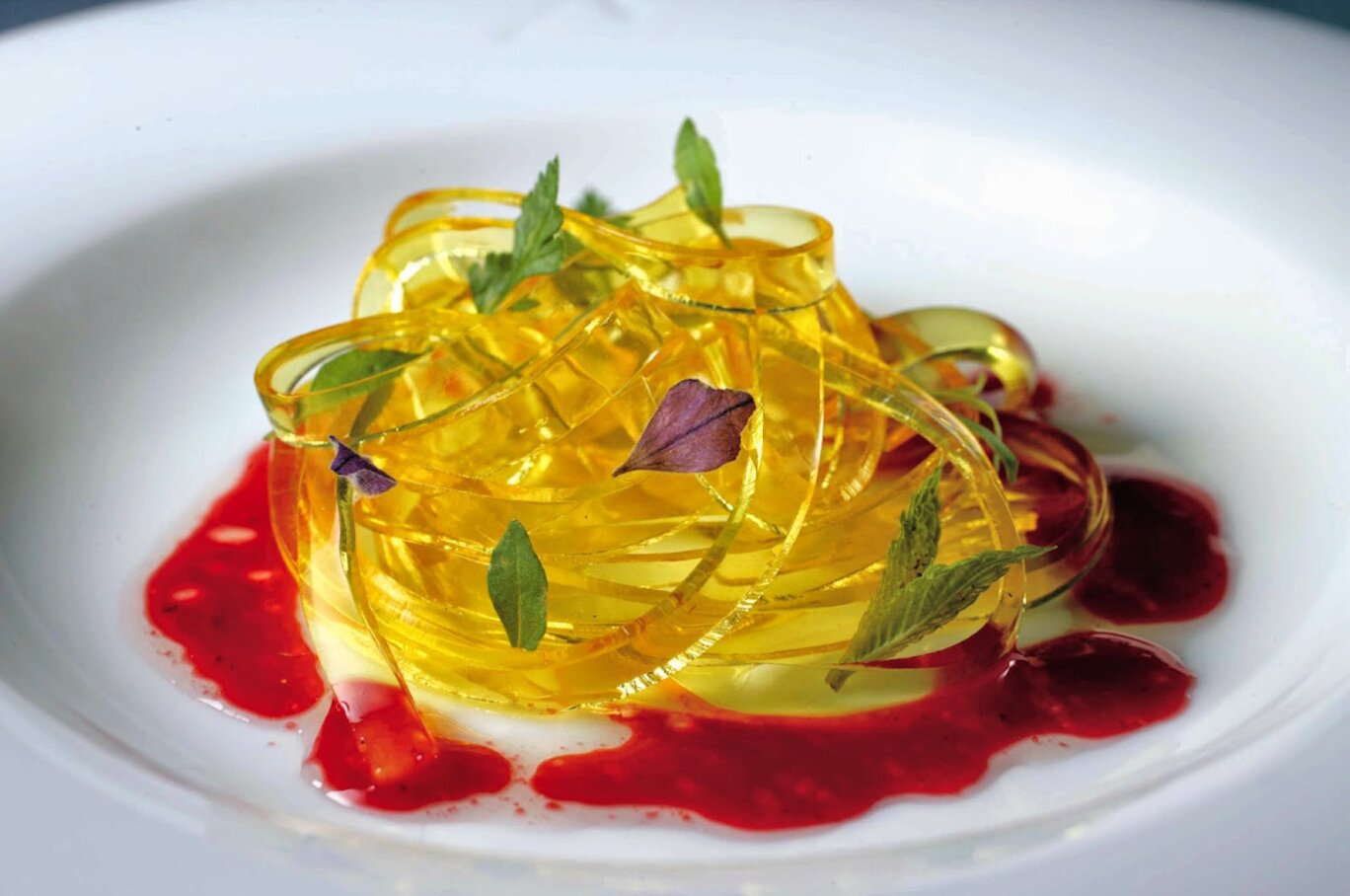
The integration of science into cooking marked the first major turning point in contemporary cuisine. Influenced by pioneers such as Ferran Adrià, chefs began to explore ingredients not only for their flavour but for their structural and chemical properties. Cooking became a process of transformation. Liquids could become pearls, solids could dissolve into air, and familiar dishes could be reinterpreted into entirely new forms while preserving their essence. Techniques such as spherification allow liquids to be encapsulated into delicate spheres that release flavour with precision. Emulsification introduces lightness through foams that carry intense taste with minimal weight. Liquid nitrogen creates rapid freezing, preserving texture while adding theatrical presentation. Deconstruction challenges perception by presenting familiar flavours in unfamiliar compositions. These innovations reshaped dining into a sensory experience where texture, temperature, and visual composition play an equal role alongside taste. More importantly, they established a mindset where experimentation and curiosity define the creative process.
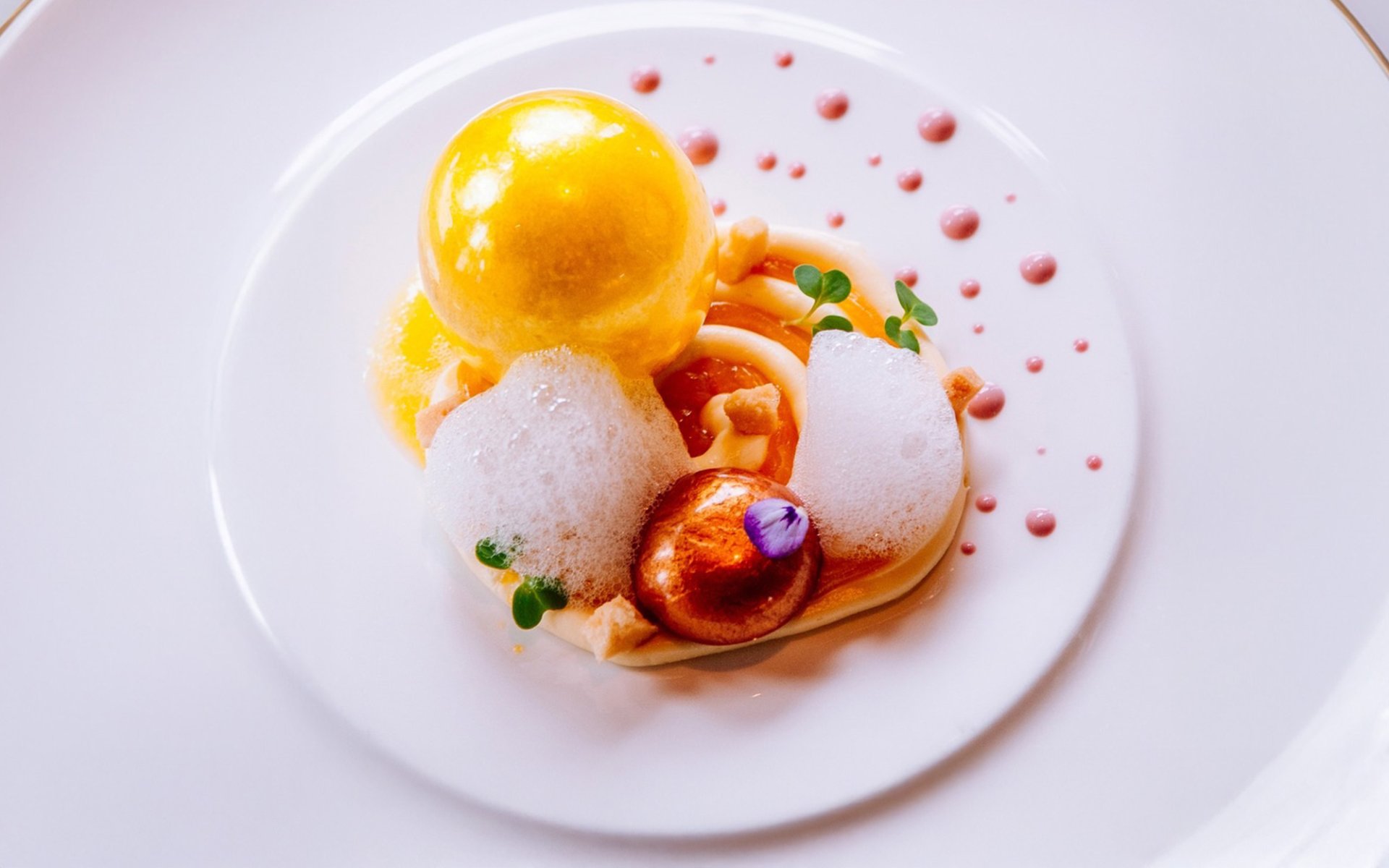
Precision Cooking and Smart Kitchens
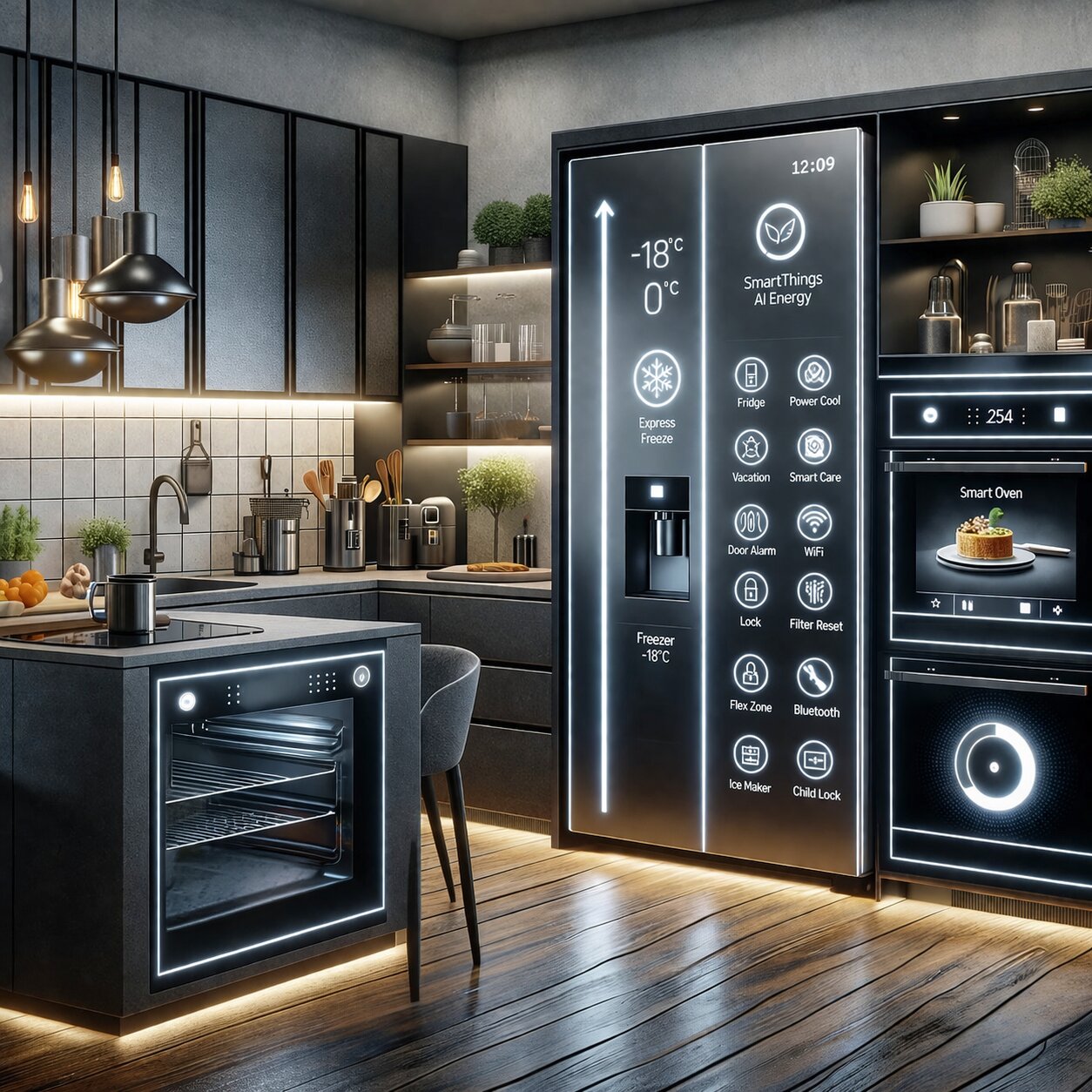
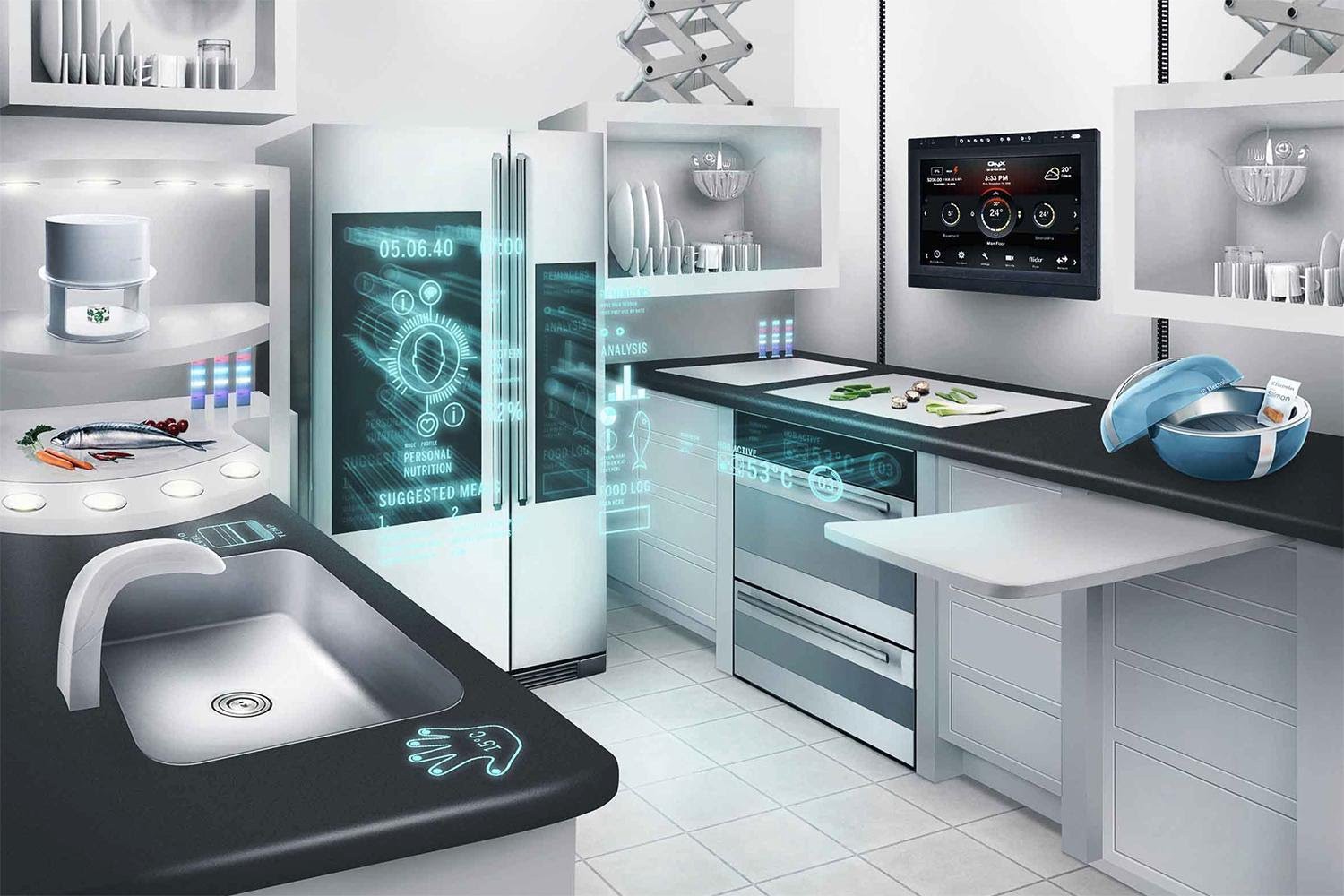
If scientific gastronomy introduced creativity, precision cooking introduced control. It allows chefs to execute their vision with consistency, ensuring that every plate reflects the same level of excellence. Sous vide cooking has become one of the most significant innovations in this space. By sealing ingredients in vacuum bags and cooking them at controlled temperatures, chefs achieve exact doneness while preserving moisture and flavour. A protein cooked in this way maintains uniformity from edge to centre, delivering a level of precision that traditional methods rarely achieve. Smart kitchen systems extend this control further. Connected appliances monitor temperature, humidity, and timing in real time. They can be programmed to execute complex cooking processes with minimal deviation, allowing kitchens to operate with remarkable consistency even during peak service. Data also plays a critical role. Kitchens now analyse patterns in ingredient usage, service flow, and guest preferences. This information informs menu design, reduces waste, and enhances efficiency without compromising creativity. Precision cooking bridges the gap between artistry and execution. It ensures that the chef’s intention is not only imagined but delivered consistently, regardless of scale.
Artificial Intelligence: A New Creative Partner
Artificial intelligence introduces a new dimension to culinary innovation. It functions not as a replacement for the chef but as a collaborator that expands creative possibilities. By analysing vast datasets of flavour compounds, global recipes, and consumer preferences, AI can identify unexpected pairings and suggest new directions for menu development. It can recommend combinations that align chemically while offering novel sensory experiences. In practice, AI assists in recipe development, menu engineering, and personalisation. Restaurants can design menus that respond to guest preferences, seasonal availability, and nutritional considerations. This creates a more tailored dining experience that feels both intuitive and sophisticated. The role of the chef evolves in this context. Creativity becomes a dialogue between intuition and data. The chef interprets, refines, and gives meaning to what technology proposes, ensuring that each dish retains emotional and cultural depth.

Robotics and Automation: Redefining Workflow
Automation is reshaping the operational structure of kitchens. While often associated with efficiency, its true impact lies in how it allows chefs to focus on higher levels of creativity. Robotic systems are particularly effective in repetitive and labour intensive tasks. From cooking and frying to assembling dishes, automation ensures consistency and precision. This is especially valuable in high volume environments where maintaining standards can be challenging. Beyond efficiency, automation contributes to safety and reliability. It reduces exposure to high risk tasks and supports kitchens facing labour shortages. In fine dining, its application is more selective, enhancing precision without diminishing craftsmanship. The presence of automation does not remove the human element. Instead, it elevates it. Chefs are able to dedicate more time to storytelling, presentation, and guest engagement, which remain central to the dining experience.
3D Food Printing: The Intersection of Culinary and Design
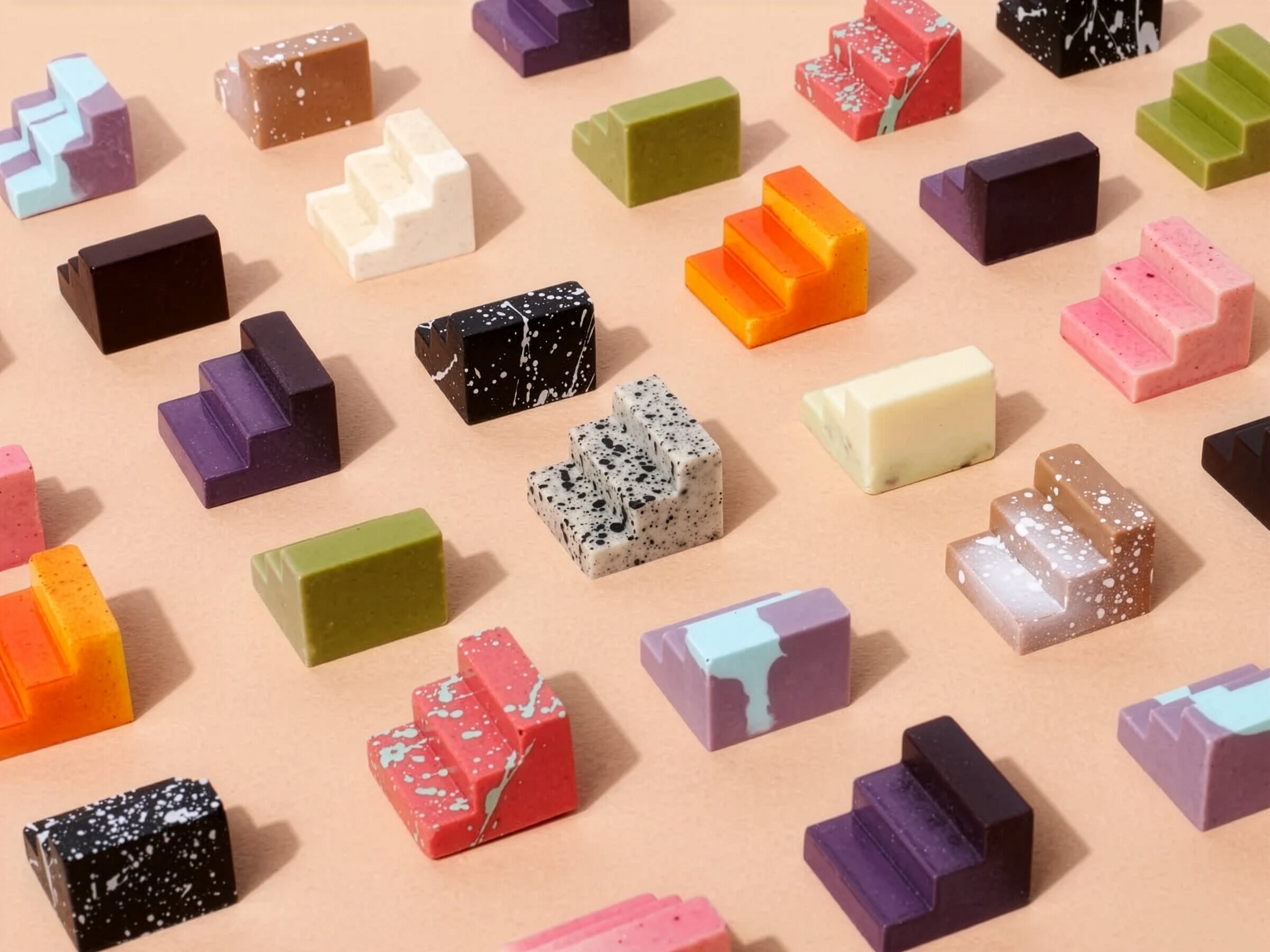
3D food printing represents one of the most visually striking innovations in modern cuisine. It introduces a level of design precision that transforms dishes into sculptural works. Using digital models, chefs can create intricate shapes and textures that would be impossible to achieve by hand. Chocolate, dough, and purées can be layered into complex structures that elevate both presentation and experience. This technology is particularly influential in pastry and fine dining, where aesthetics play a significant role. It allows for consistency in complex designs while enabling customisation for individual guests or themes. Beyond visual appeal, 3D printing holds potential in personalised nutrition. Meals can be designed to meet specific dietary requirements, merging culinary creativity with health considerations. In this context, chefs expand their role into that of designers, blending digital tools with traditional craftsmanship to create edible art.
Immersive and Multi Sensory Dining
Technologies Technology is also transforming the dining room, redefining how guests engage with food. Dining is no longer limited to taste. It becomes an immersive experience that engages sight, sound, and emotion. Projection mapping allows environments to change dynamically, reflecting the narrative of each dish. Soundscapes and subtle scent integration enhance perception, influencing how flavours are experienced. Interactive elements invite guests to participate, creating a sense of connection and personal involvement. The meal becomes a journey rather than a sequence of courses. This approach resonates strongly with contemporary audiences who value experiences that are memorable and emotionally engaging. It aligns dining with art, theatre, and storytelling.
Blockchain and Digital Traceability
Transparency has become an essential component of modern dining. Technology now enables guests to understand where their food comes from and how it is produced. Blockchain systems record each step of the supply chain, creating a reliable and transparent history of ingredients. Through digital interfaces, guests can access information about sourcing, sustainability, and production methods. This builds trust and strengthens the relationship between restaurant and guest. It also encourages responsible practices across the industry, supporting ethical sourcing and sustainability.
The Evolving Role of the Chef
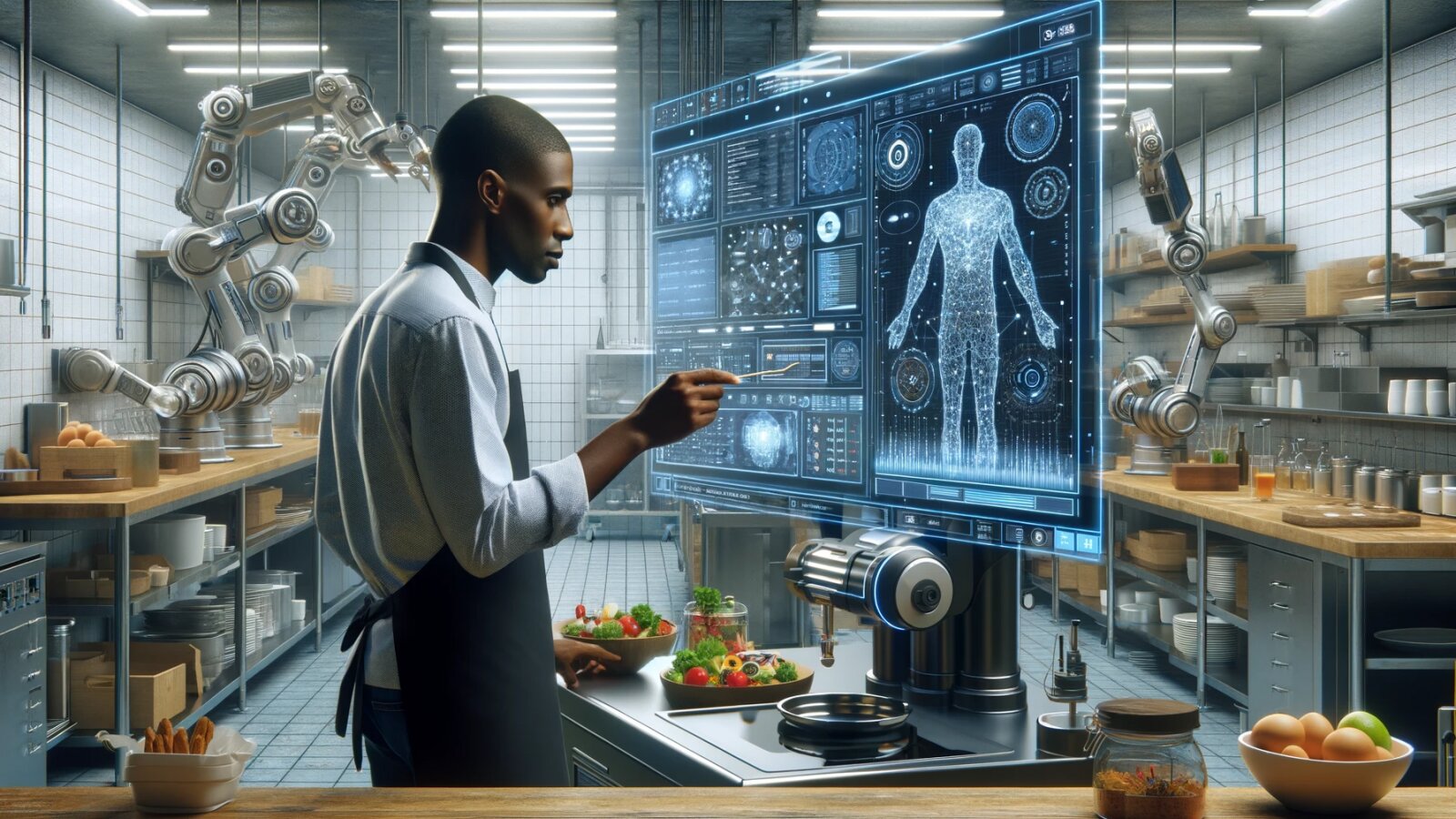
As technology becomes more integrated, the role of the chef continues to evolve. The modern chef is no longer defined solely by technique but by the ability to navigate and integrate multiple disciplines. This includes understanding data, managing systems, and designing experiences. The chef becomes a curator of both flavour and technology, balancing precision with creativity. Despite these changes, the essence of cuisine remains deeply human. Emotion, memory, and cultural identity continue to shape how food is created and experienced. Technology enhances these elements, allowing them to be expressed with greater clarity and impact.

A Harmonised Future
The intelligent kitchen represents a new era where technology and tradition coexist. Innovation expands the possibilities of cuisine while preserving its emotional and cultural foundations. In this evolving landscape, the kitchen is no longer just a place of preparation. It is a space of invention and expression, where science, creativity, and human connection come together to redefine how food is experienced. The future of culinary innovation will not be defined by technology alone, but by how thoughtfully it is integrated into the timeless pursuit of flavour, meaning, and shared experience.