Overlooking Giang Võ Lake in the heart of the capital, Dolce By Wyndham Hanoi Golden Lake transforms hotel dining into astatement of theatre and taste. Honoured Highly Recommended as Best Hotel Dining at the Gourmet Vietnam Awards 2025, the hotel elevates gastronomy through design, precision, and memorable indulgence.
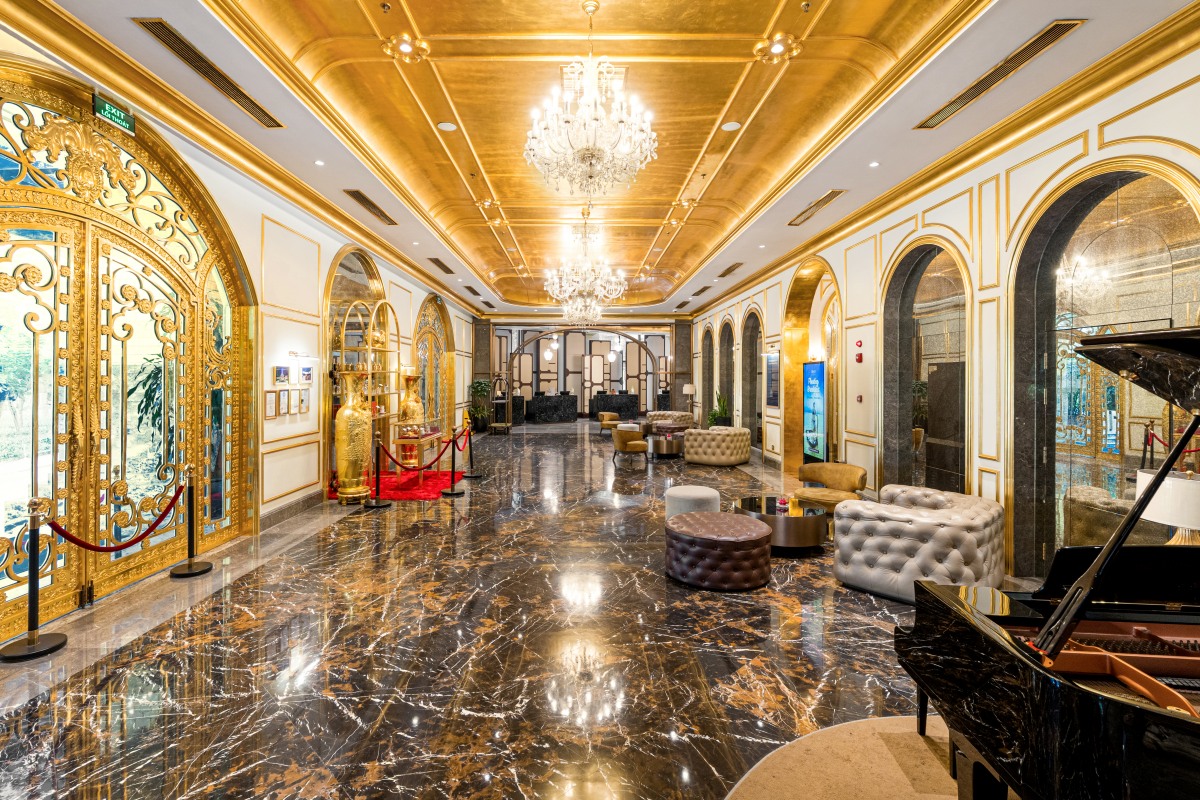
Set within Ba Đình District Hanoi’s administrative and cultural centre Dolce By Wyndham Hanoi Golden Lake rises beside the calm waters of Giang Võ Lake, offering rare serenity amid the city’s rhythm. From here, iconic landmarks are moments away, yet the hotel maintains an atmosphere of composed privacy that frames every dining experience with intention.
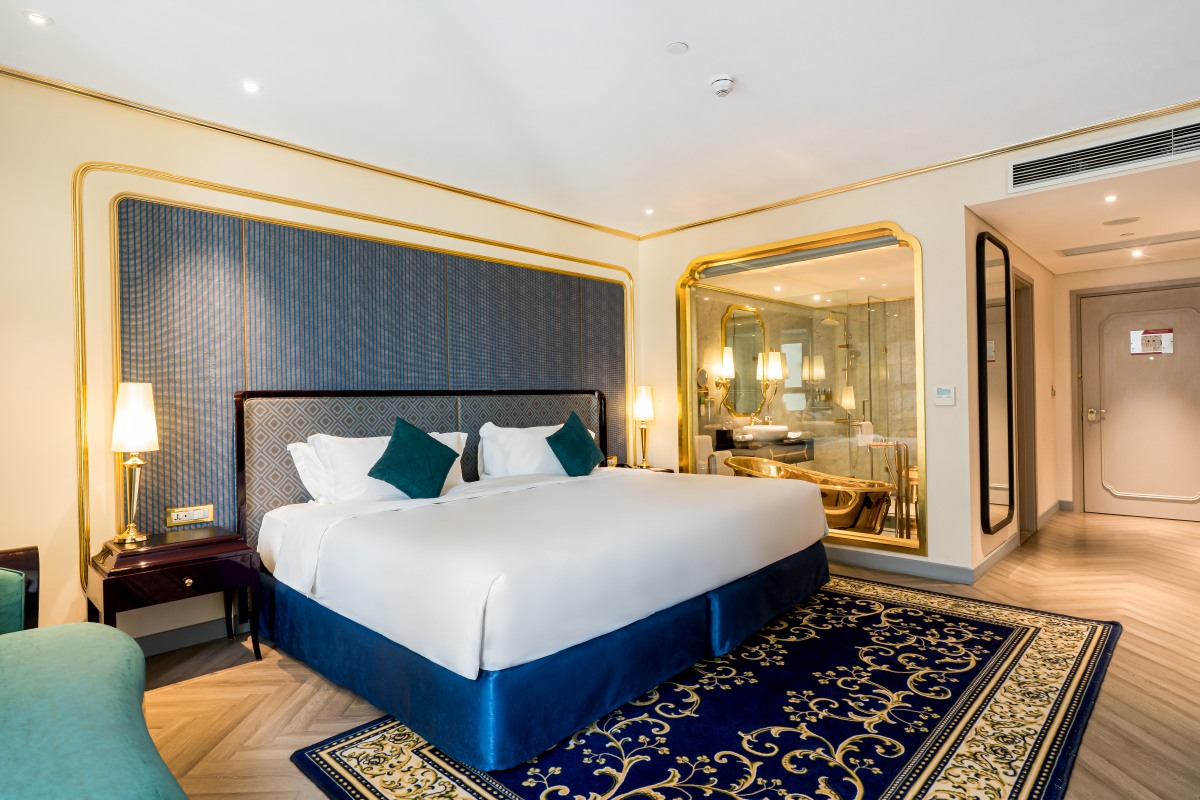
The property’s unmistakable 24K gold-plated architecture sets a confident tone. Rather than excess for its own sake, gold is used as an expressive material—an architectural language that signals craft, confidence, and modern luxury. This sensibility carries through to the table, where dining becomes the hotel’s defining signature.

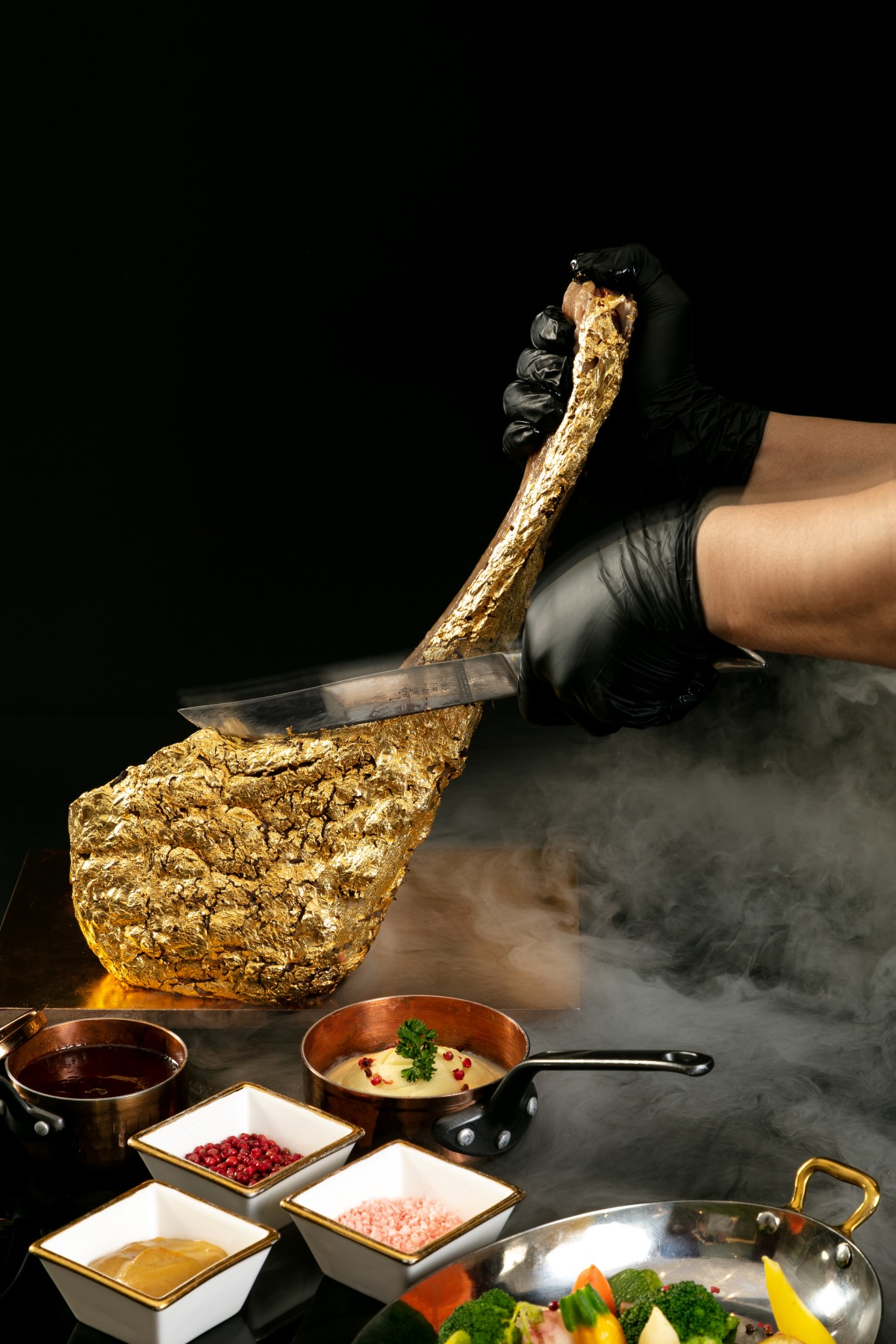
At the forefront is F29 Golden Beef, a European fine-dining address known for meticulous sourcing and classical technique. Signature creations—from the celebrated Gold-Plated Tomahawk Steak to the Giang-style Golden Egg Coffee blend spectacle with substance, inviting guests into a layered, sensorial journey that rewards both curiosity and connoisseurship. The room is intimate yet assured, designed for unhurried meals and quiet appreciation.
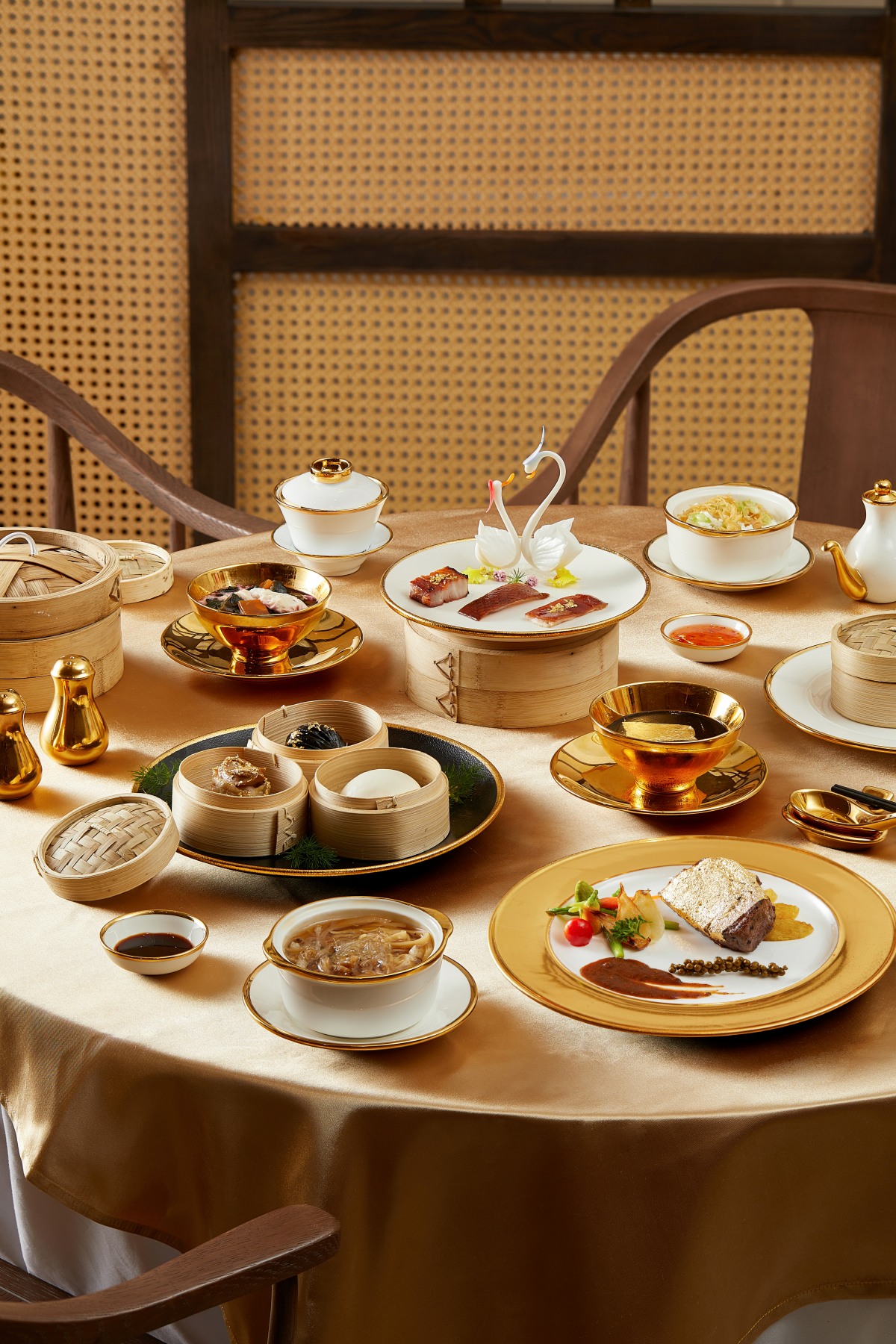
Complementing this is Golden Lake Palace, the hotel’s refined Chinese restaurant. Here, familiar culinary icons are reinterpreted with depth and restraint, served within a palace-inspired setting that balances grandeur with warmth ideal for formal occasions and family celebrations alike.
Above it all, the gold-plated infinity pool crowns the experience, offering panoramic city views that underscore the hotel’s philosophy: luxury as an orchestrated experience. Recognised by the Gourmet Vietnam Awards 2025, Dolce By Wyndham Hanoi Golden Lake affirms that great hotel dining is not simply about cuisine, but about the atmosphere, narrative, and memory it leaves behind.