Originating in 1920s Tokyo as intimate sanctuaries for jazz lovers, the Japanese listening bar has evolved into a global cultural phenomenon. Today, from London to New York, these music-first spaces offer a refined, vinyl-led antidote to the digital noise of modern life.
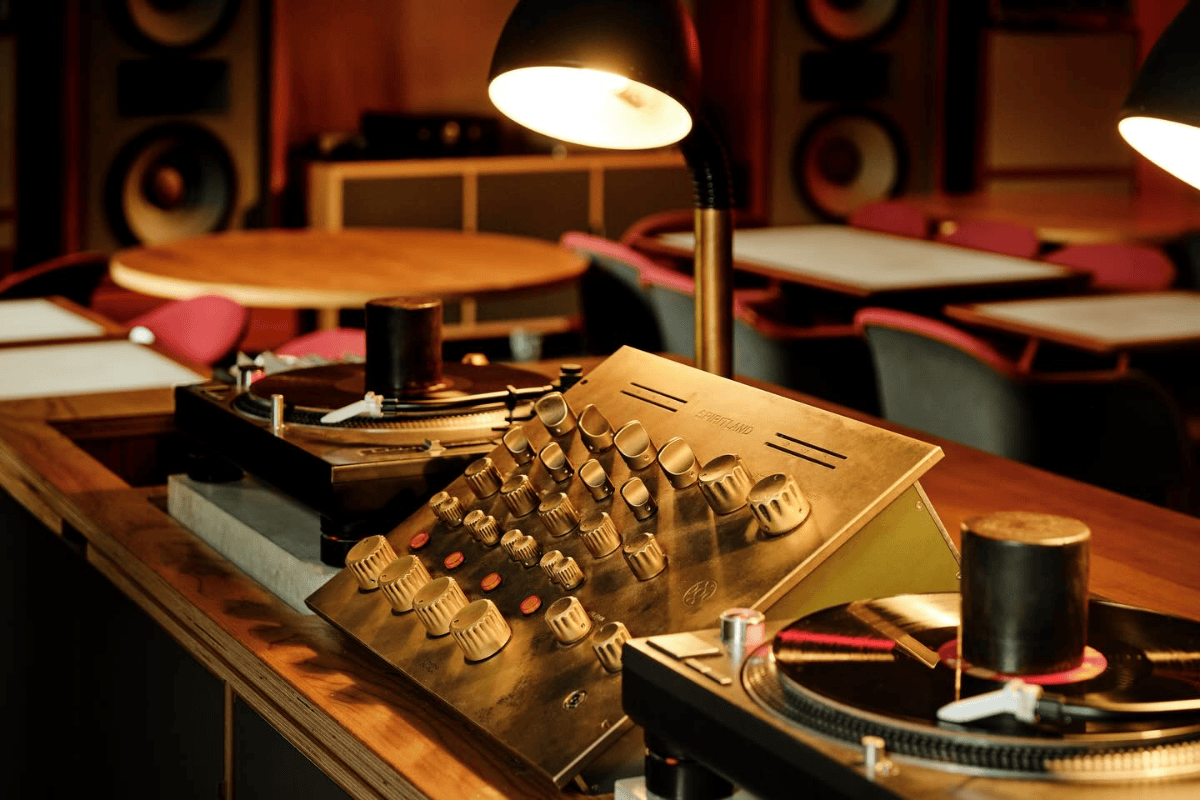
Japan’s most understated cultural export is not a product, but a practice. Long before immersive experiences became a global obsession, the country had already perfected a space where music takes precedence over everything else. The listening bar, part audiophile sanctuary and part social ritual, exists at the intersection of sound, design, and restraint..png)
Its origins trace back to the 1920s, with the emergence of the ongaku kissa. These cafés offered an escape from urban intensity, where patrons gathered not to converse, but to listen. Classical and jazz records, often rare and imported, played through carefully assembled sound systems. In post-war Japan, the scarcity of audio equipment only deepened their significance. By the 1950s, intimate listening spaces had begun to cluster in districts like Shibuya, each defined by a singular vision. The owner became curator, and the room itself a controlled environment where sound, light, and behavior aligned.
.png)
These spaces were small, sometimes with no more than eight seats, and governed by an unspoken etiquette. Music selection was deliberate, conversation minimal, and attention absolute.
However, the rise of home stereos and CDs in the 1980s disrupted this culture. As private listening became more accessible, communal listening spaces declined. Yet a few endured. Jazz Kissa Lion, established in 1926, remained one of the movement’s most enduring symbols.
.png)
By the 2010s, the listening bar had found new life beyond Japan. Cities like London and New York embraced the format, driven by a renewed fascination with vinyl and a growing fatigue with conventional nightlife. In these reinterpretations, the model evolved.
At Spiritland, founder Paul Noble distilled the essence of Japanese listening culture while softening its rigidity. The music-first philosophy remains, anchored by high-end sound systems and meticulous curation, but the atmosphere has shifted from monastic silence to a more relaxed and inclusive form of sociability.
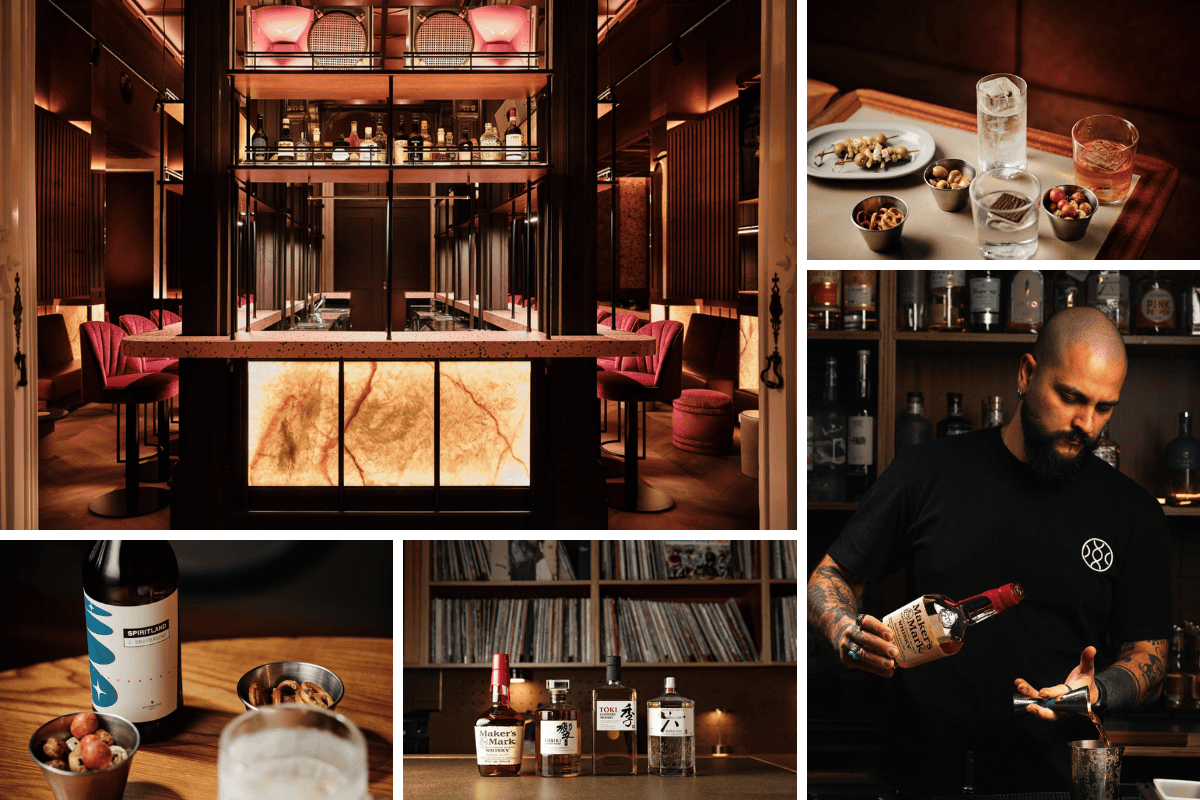
Drinks, once secondary, now play a supporting role. At Spiritland, the approach is restrained, refined, and intentionally unobtrusive. The goal is not spectacle, but balance.
Today’s listening bars have become sophisticated sensory ecosystems. At Brooklyn’s Public Records or London’s Brilliant Corners, the experience merges design-led interiors, izakaya-inspired menus, and artisanal cocktails. Music is never treated as background noise; it is the main event. In these rooms, the playlist becomes a narrative, often delivered through vintage sound systems that make every crackle of the needle feel intimate and intentional.
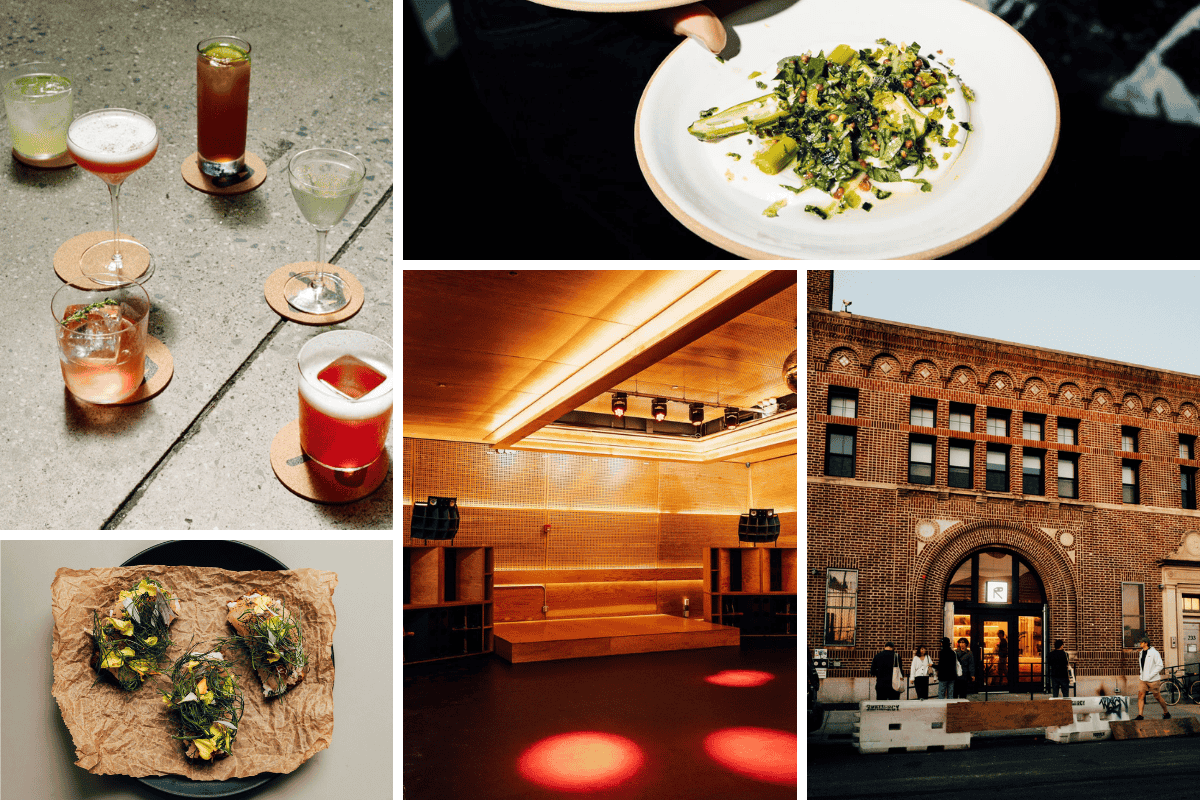
The audience, creatives from music, fashion, film, and technology, gravitates toward places like Bar Neiro and Eavesdrop in search of a more egalitarian kind of luxury. In an age defined by digital overload and passive consumption, the listening bar offers a compelling correction: a space where people do not simply hear music, but truly listen.