“Three COMO properties present different expressions of France’s wine culture through the landscapes and communities that shape them.” by Rizki Pradana.
Few countries are as closely associated with wine as France. Yet, travelling through its vineyards reveals far more than famous labels or celebrated vintages. From Burgundy’s centuries-old villages to the grand estates of Bordeaux and the sunlit coastline of Provence, each region presents its own relationship with the land, shaped by geography, history, and local traditions. Exploring them offers a broader understanding of France itself, where wine becomes both a reflection of place and a natural companion to everyday life.
The COMO France Collection traces that journey across three distinct destinations. Rather than presenting a single interpretation of French hospitality, COMO Le Montrachet, COMO Cordeillan-Bages, and COMO Le Beauvallon each introduce a different chapter of the country’s wine culture, allowing travellers to experience the changing character of France as they move between regions.
The journey begins in Burgundy, where vineyards have shaped both the landscape and local identity for centuries. In Puligny-Montrachet, one of the world’s most respected white wine appellations, rows of vines stretch across gentle slopes that have long defined the Côte de Beaune. The village itself moves at a measured pace. Historic stone buildings line quiet streets, while renowned domaines sit only a short walk apart. Wine here is rarely separated from daily life; it forms part of conversations, meals, and the rhythm of the seasons.
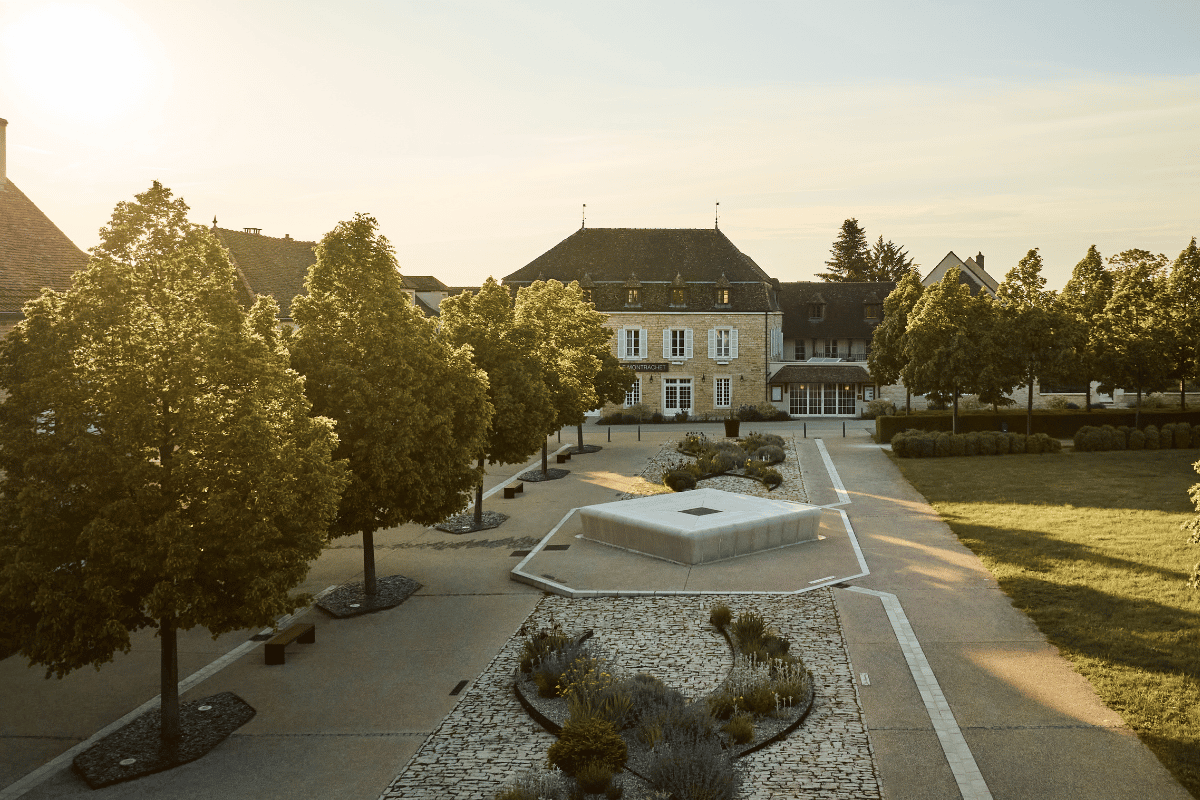
Set directly on the village square, COMO Le Montrachet reflects this sense of place. Housed within a 19th-century village inn, the property looks towards the vineyards that have made Puligny-Montrachet internationally recognised, while remaining closely connected to the surrounding community.
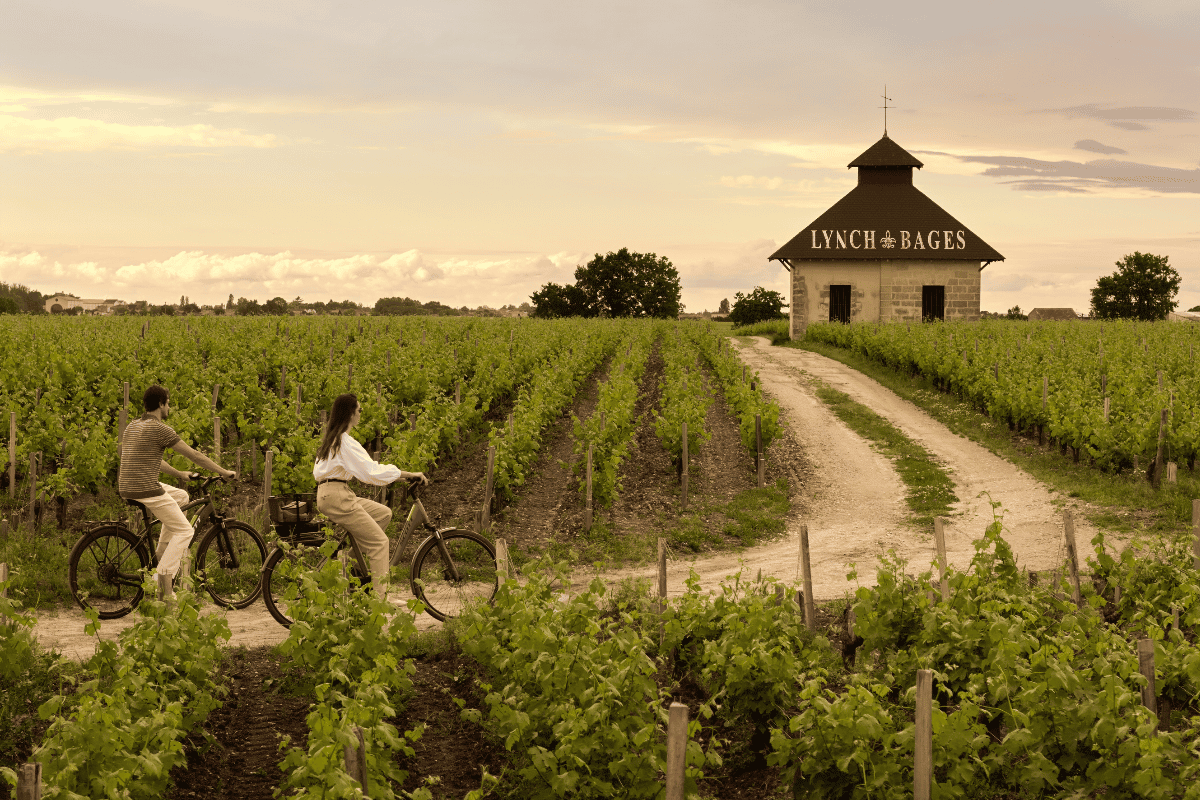
The experience naturally extends beyond the hotel itself. Guided visits to local domaines, tastings across the Côte de Beaune and Côte de Nuits, cycling routes through vineyards, and conversations with the property’s Head Sommelier allow guests to understand the region through the people who continue to shape it. Even meals follow Burgundy’s seasonal calendar, with regional produce paired alongside wines drawn from nearby estates. Rather than presenting wine as an occasional indulgence, Burgundy reveals it as an everyday expression of its surroundings.
Travelling south-west, the landscape gradually changes. The rolling vineyards of Burgundy give way to the wider estates of Bordeaux’s Left Bank, where generations of winemaking families have built an international reputation around Cabernet Sauvignon and Merlot. In Pauillac, some of France’s most recognised classified growths stand alongside villages whose identities remain closely linked to viticulture.
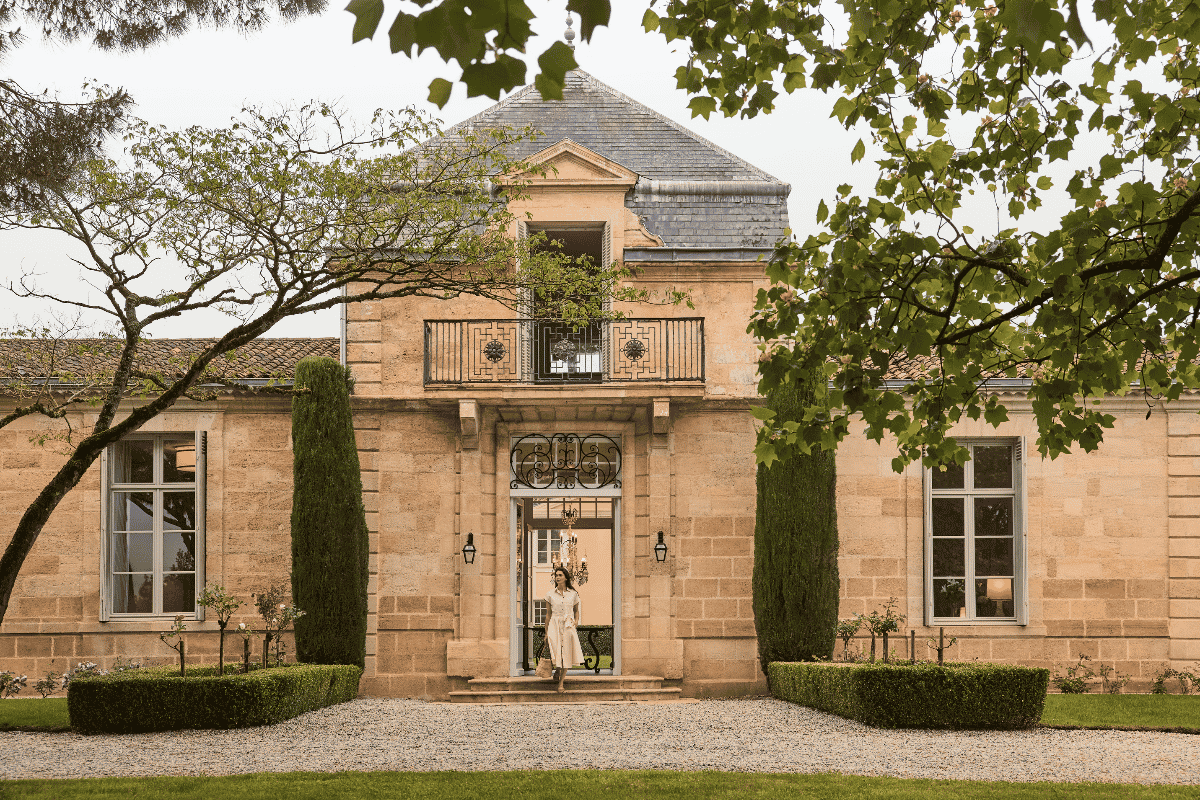
COMO Cordeillan-Bages occupies a natural place within this setting. Located among two hectares of vineyards in the historic hamlet of Bages, the 19th-century château sits only moments from Château Lynch-Bages, one of the Médoc’s most established wine estates. The property’s relationship with the region extends beyond accommodation. Wine sits at the centre of the guest experience, with curated tastings, guided château visits, and access to one of Bordeaux’s most respected private cellars.
The surrounding landscape encourages exploration at a slower pace. Cycling routes connect neighbouring vineyards, while village streets reveal a quieter side of Bordeaux often overlooked by visitors heading directly into the city. The experience feels rooted in the Médoc rather than detached from it.
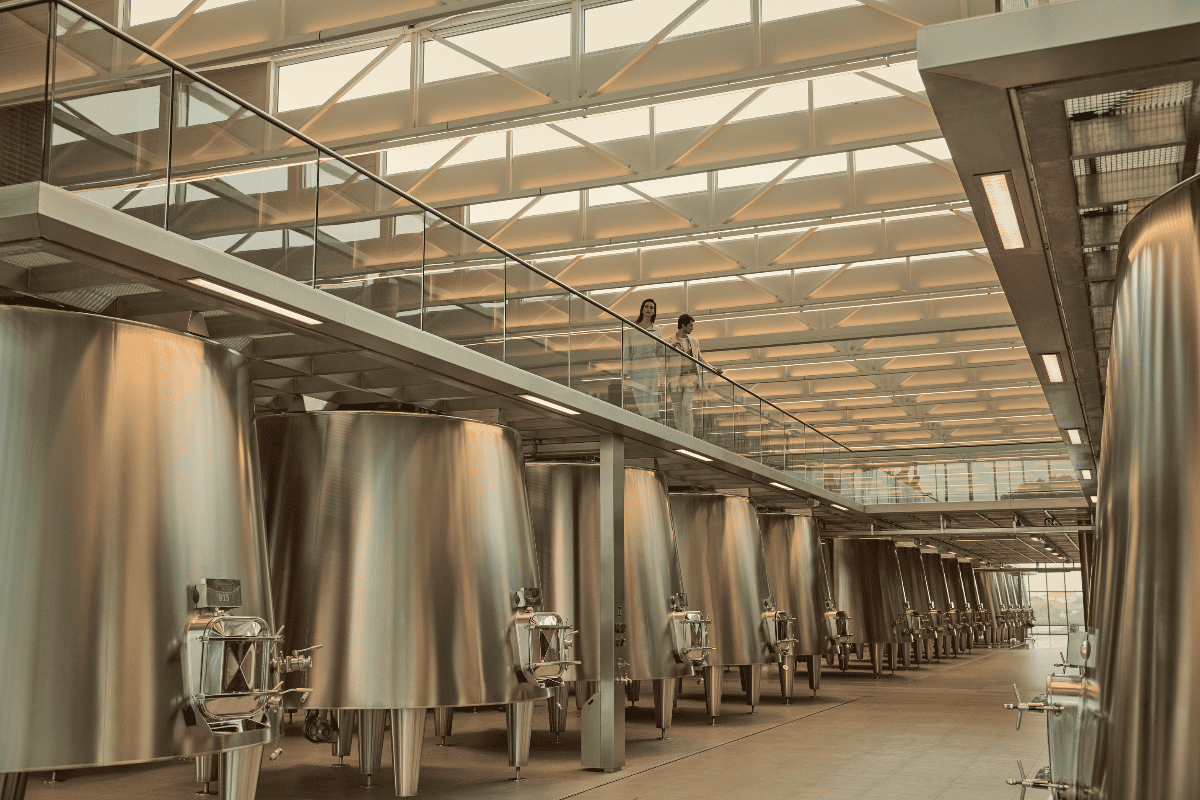
Dining provides another perspective on the region. Under the culinary direction of Chef Fabien Ferré, the restaurant interprets Bordeaux’s produce through menus that follow the seasons, drawing from nearby fisheries, vegetable growers, and the Atlantic coastline. Alongside these dishes, the cellar presents more than 1,600 references, ranging from celebrated Bordeaux appellations to carefully selected bottles from across France, allowing guests to appreciate the diversity that exists beyond the region itself.
The final chapter unfolds further south along the Mediterranean. Provence approaches wine from a different perspective, where vineyards sit between olive groves, lavender fields, and coastal hillsides overlooking the sea. The atmosphere feels lighter, shaped by long lunches, open terraces, and afternoons that stretch comfortably into the evening. Rosé may have become the region’s global calling card, though local wineries continue to produce expressive whites and structured reds that reflect Provence’s varied terroirs.
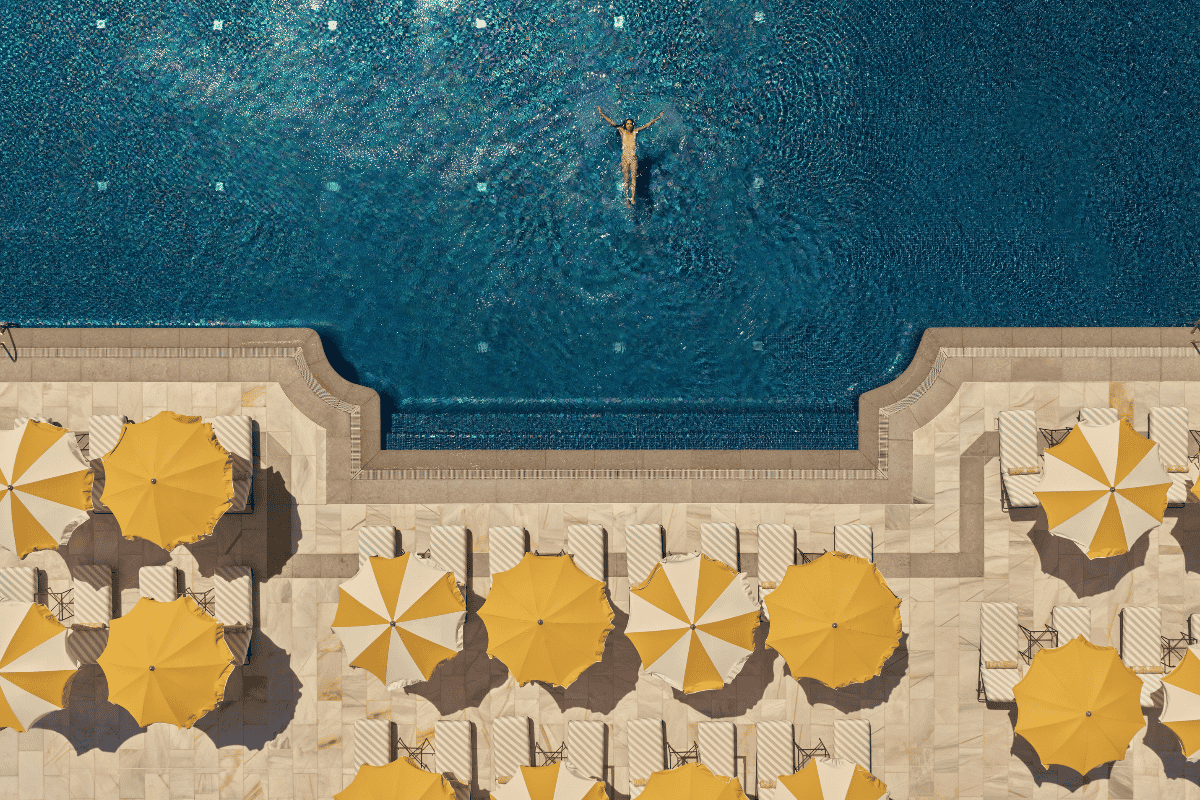
Overlooking the Gulf of Saint-Tropez, COMO Le Beauvallon introduces this part of France from a Belle Époque palace that has welcomed travellers since 1914. Surrounded by gardens and connected to Saint-Tropez by an eight-minute boat transfer, the property balances Riviera history with immediate access to both coastline and countryside.
While the Mediterranean naturally draws attention, the surrounding wine region deserves equal consideration. The property’s concierge arranges visits to vineyards across Provence, where guests can explore estates such as Château Minuty, Château de Berne, and Château Saint-Maur before returning to the coast for dinner overlooking the Gulf.
The culinary programme, led by Yannick Alléno, follows the same regional outlook. Menus draw inspiration from Mediterranean ingredients and Provençal traditions, while the rooftop and sea-facing dining spaces provide a fitting setting for an evening aperitif as boats return across the bay.
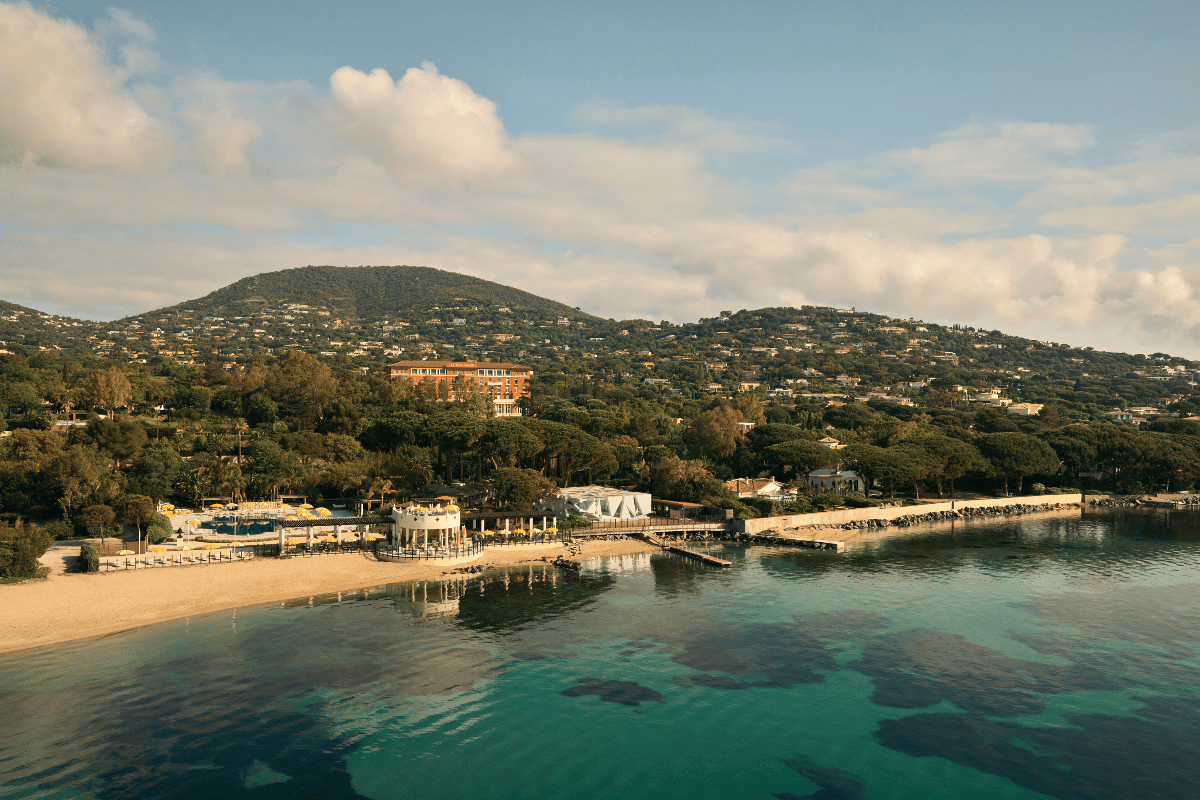
Viewed together, these three destinations present different interpretations of French wine culture. Burgundy invites travellers into villages where vineyards have shaped daily life for centuries. Bordeaux reveals the depth of its estates and the relationship between gastronomy and some of the country’s most celebrated appellations. Provence closes the route with a slower Mediterranean rhythm, where vineyards, coastline, and village life exist side by side.
Rather than moving from one hotel to another, travelling through the COMO France Collection becomes a journey across three distinct regions, each expressing its own sense of place. Wine provides the thread that connects them, though the lasting impression comes from something broader: the opportunity to understand France through the landscapes, communities, and traditions that continue to define each destination.