As "gluten-free" labels increasingly appear on the top shelves of luxury liquor boutiques, consumers are left wondering if this distinction is a genuine health necessity or a clever marketing illusion. Discover the science behind distillation, the hidden risks of additives, and what actually matters in your glass.
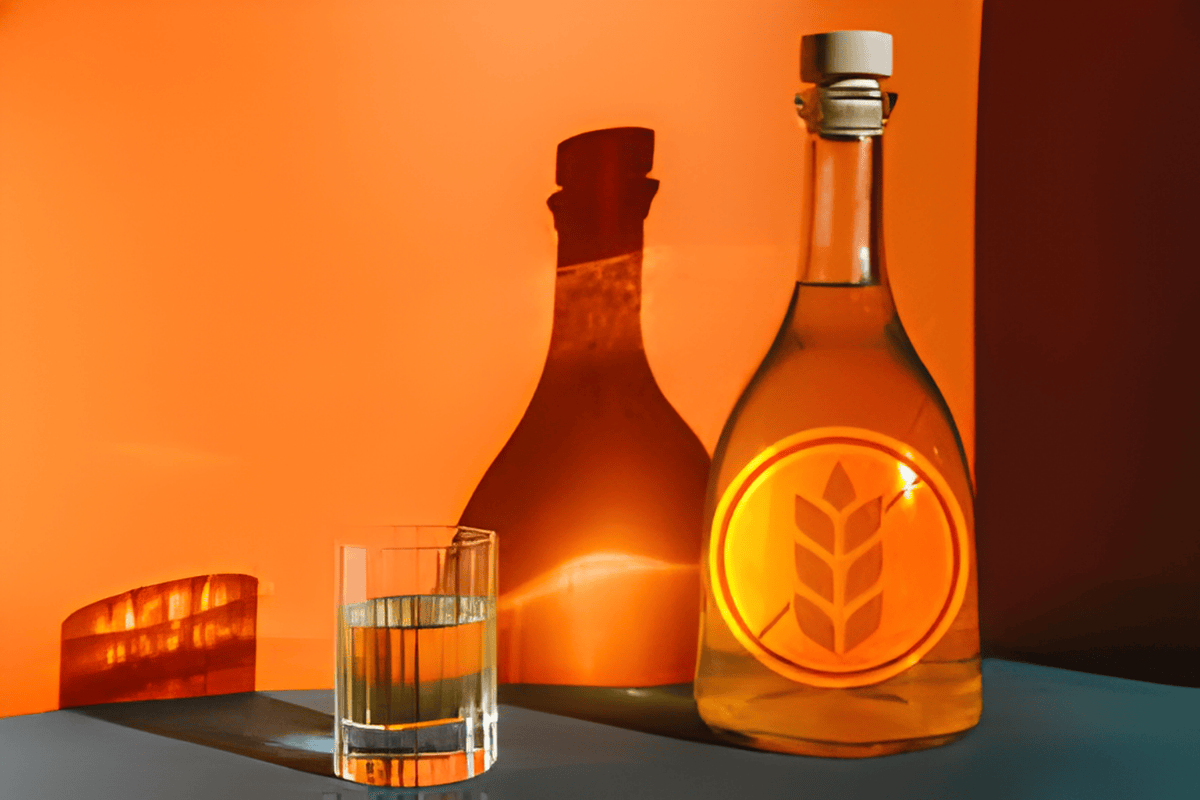
There was a time when “gluten-free” belonged almost exclusively to supermarket aisles. Today, it appears etched onto liquor bottles, subtly reframing how we read a drink before we taste it. The implication is immediate: cleaner, lighter, perhaps even healthier. But in alcohol, the phrase carries a different weight that is often misunderstood.
Gluten, a protein found in wheat, barley, and rye, is a legitimate concern for a small but significant group. Around 1% of the global population lives with celiac disease, an autoimmune condition that damages the small intestine when gluten is consumed. Yet nearly 30% of adults now choose to reduce or avoid gluten, often associating it with broader notions of wellness.
.png)
In this context, the label becomes persuasive. But scientifically, it is often redundant. Most distilled spirits, such as vodka, whisky, and gin, are considered gluten-free, even when made from gluten-containing grains. The reason lies in the process itself. Distillation separates alcohol from heavier compounds through evaporation. Gluten proteins, large and non-volatile, do not carry over into the final liquid. What remains is ethanol, stripped of the original grain’s protein structure.
.png)
If pure spirits are naturally safe, why are these labels suddenly ubiquitous? Simply put, it is primarily a marketing strategy. Brands leverage the "gluten-free" stamp to align with modern wellness trends, creating a halo of health around products that have always been devoid of the protein. It steers consumer purchasing decisions by exploiting the perception that "gluten-free" automatically equates to a cleaner, superior product.
.png)
However, for individuals with severe celiac disease or high sensitivity, vigilance remains crucial. The true danger does not lie in the spirit itself, but in what happens after distillation. Flavored spirits, liqueurs, and cocktail mixers can introduce gluten-containing additives. Furthermore, cross-contamination at bustling bars, where the same shaker might be used to mix a malt-heavy beer syrup and a pristine martini, poses a tangible threat.
Ironically, while consumers obsess over microscopic gluten traces, they often overlook the broader physiological impact of the drink itself. Alcohol inherently disrupts the gut microbiome and irritates the intestinal lining, which can mimic or exacerbate dietary sensitivities. For many, the inflammatory response is triggered by the alcohol, not a phantom protein.
.png)
When navigating a cocktail menu, do not rely blindly on a marketing label. If you are highly sensitive, your safest choices are spirits naturally derived from non-gluten sources, such as agave-based tequila, rum, or grape-based cognac. Always scrutinize hidden additives and communicate your dietary boundaries clearly to your mixologist. Ultimately, true mindful drinking is about understanding the science in your glass and recognising that informed choices will always outclass a clever label.