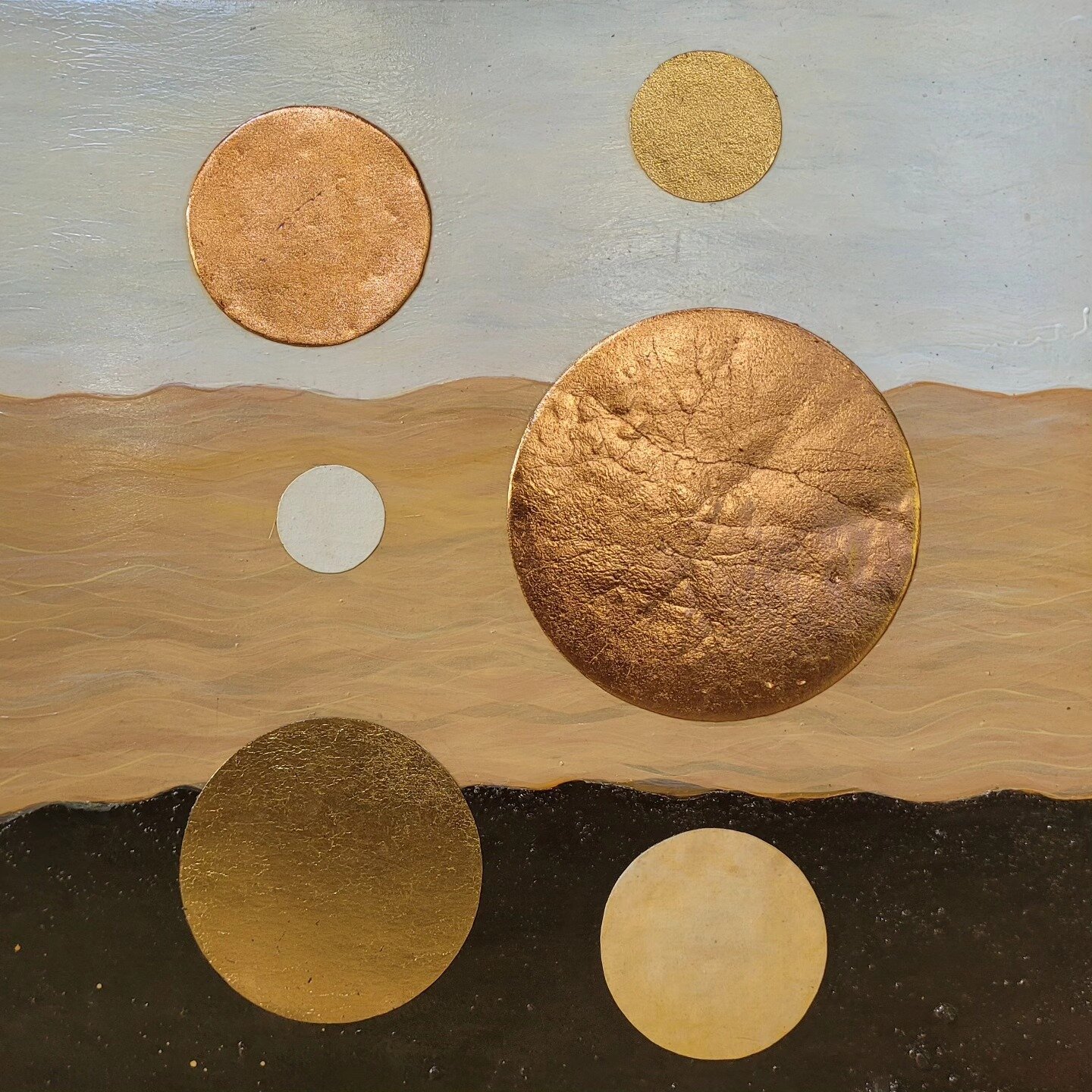
Within the luminous surfaces of John Albert Young’s abstract paintings, colour is never fixed, and light is never passive. Through translucent glazes, refined shapes, and luxurious tones inspired by Post-painterly Abstraction and Vietnamese Sơn mài, the English artist creates works that invite the viewer away from reality and into a quieter realm of harmony, reflection, and pure visual pleasure.
.jpg)
For John Albert Young, abstraction is not a refusal of meaning. It is a release from noise. A professional artist from England, Young has spent more than sixteen years teaching art while developing a practice rooted in colour, surface, and the emotional power of visual stillness. His paintings do not ask to be read like stories or decoded like symbols. Instead, they create an atmosphere in which the viewer may pause, look, and gradually surrender to the quiet intensity of light.
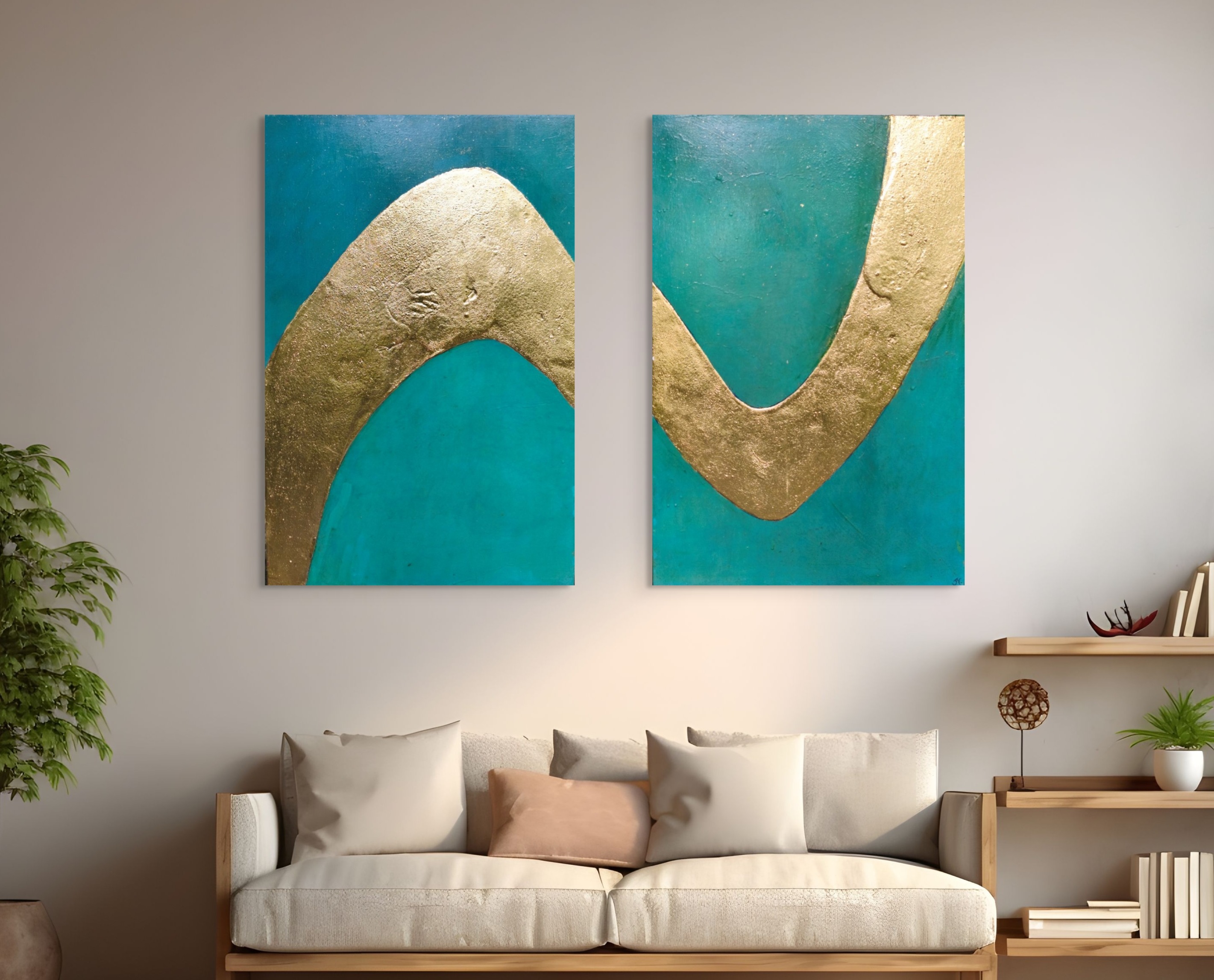
His work is largely influenced by Post-painterly Abstraction, a movement that emerged in the 1940s and 1950s after the devastation of the Second World War. In response to a fractured reality, artists sought to move beyond representation, removing the viewer from the chaos of the visible world and guiding them toward balance, harmony, and pure aesthetic experience. Within this tradition, the painting becomes not a depiction of life, but an object of contemplation in itself.
This philosophy lies at the heart of Young’s practice. His paintings do not represent landscapes, figures, or memories. They are landscapes of perception. Built through many layers of translucent glazes, the surfaces seem to hold and refract the light around them. As the day changes, so does the painting. A colour may appear soft in the morning, warmer in the afternoon, and deeper by evening. The work is never entirely still; it lives with time, space, and the movement of natural light.
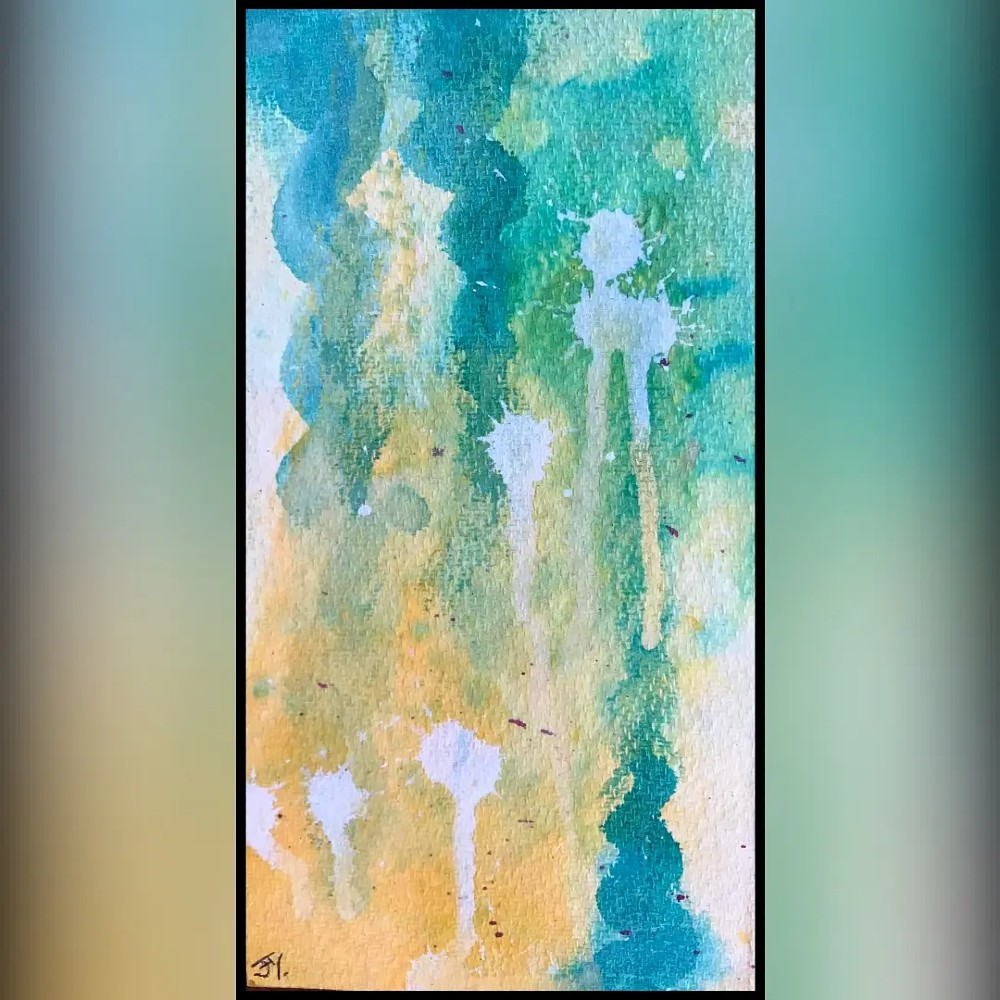
During his time in Hanoi, Young became fascinated by Vietnamese lacquer painting, or Sơn mài. Its use of gold leafing, flat glazing, polished surfaces, and hidden depth offered a new resonance for his own artistic language. Sơn mài is a medium of patience and radiance, revealing itself through layers rather than immediacy. For an abstract artist devoted to colour and light, it became both inspiration and quiet kinship.
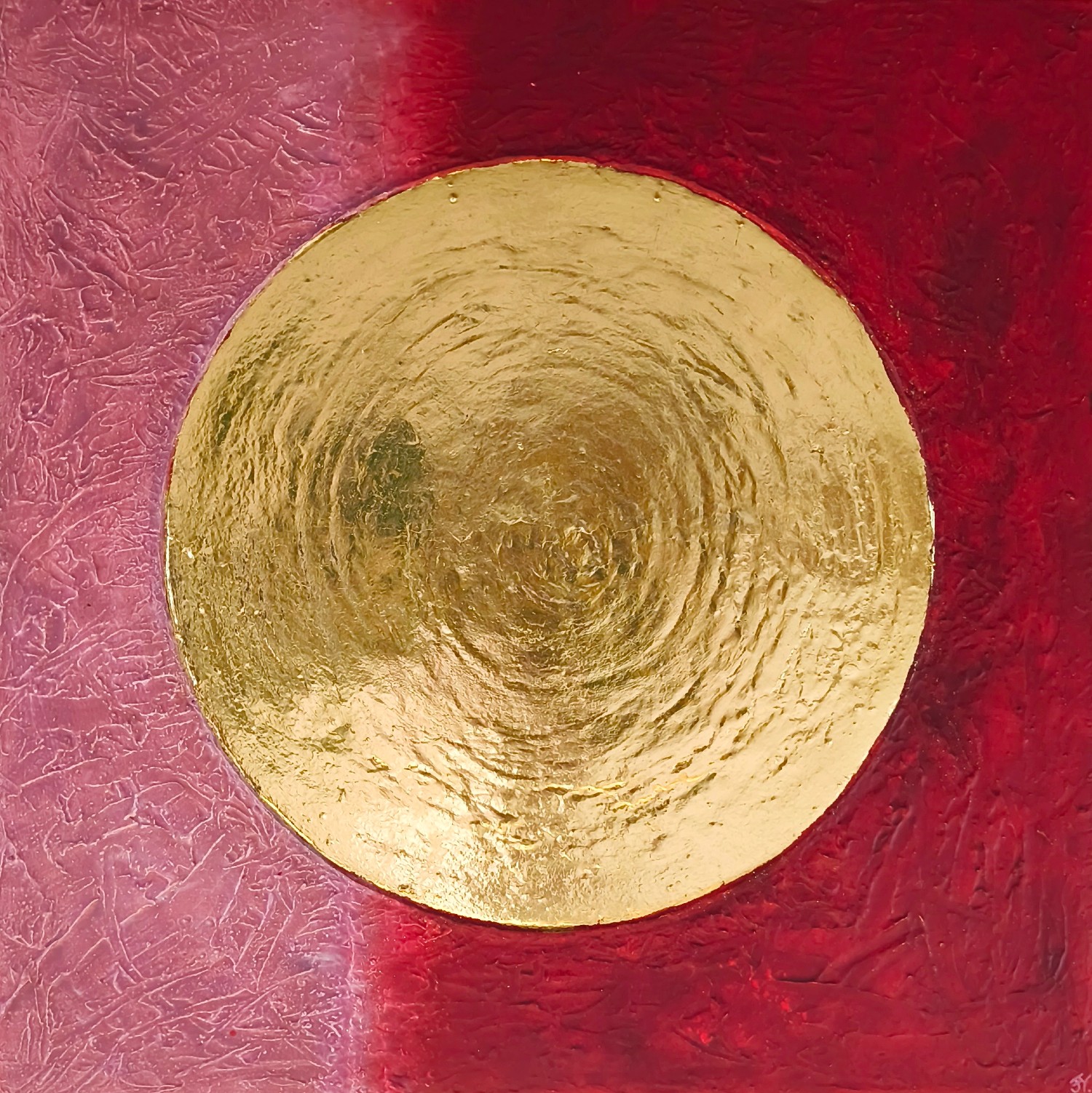
From this encounter emerged Lush!, a series that celebrates light, luxurious colour, and shape. The title suggests abundance, but not excess. These works are lush in the way a garden glows after rain, or a jewel seems to carry light from within. Gold, glaze, and colour are not used for decoration alone, but to soften perception and open a meditative space free from unnecessary thought.
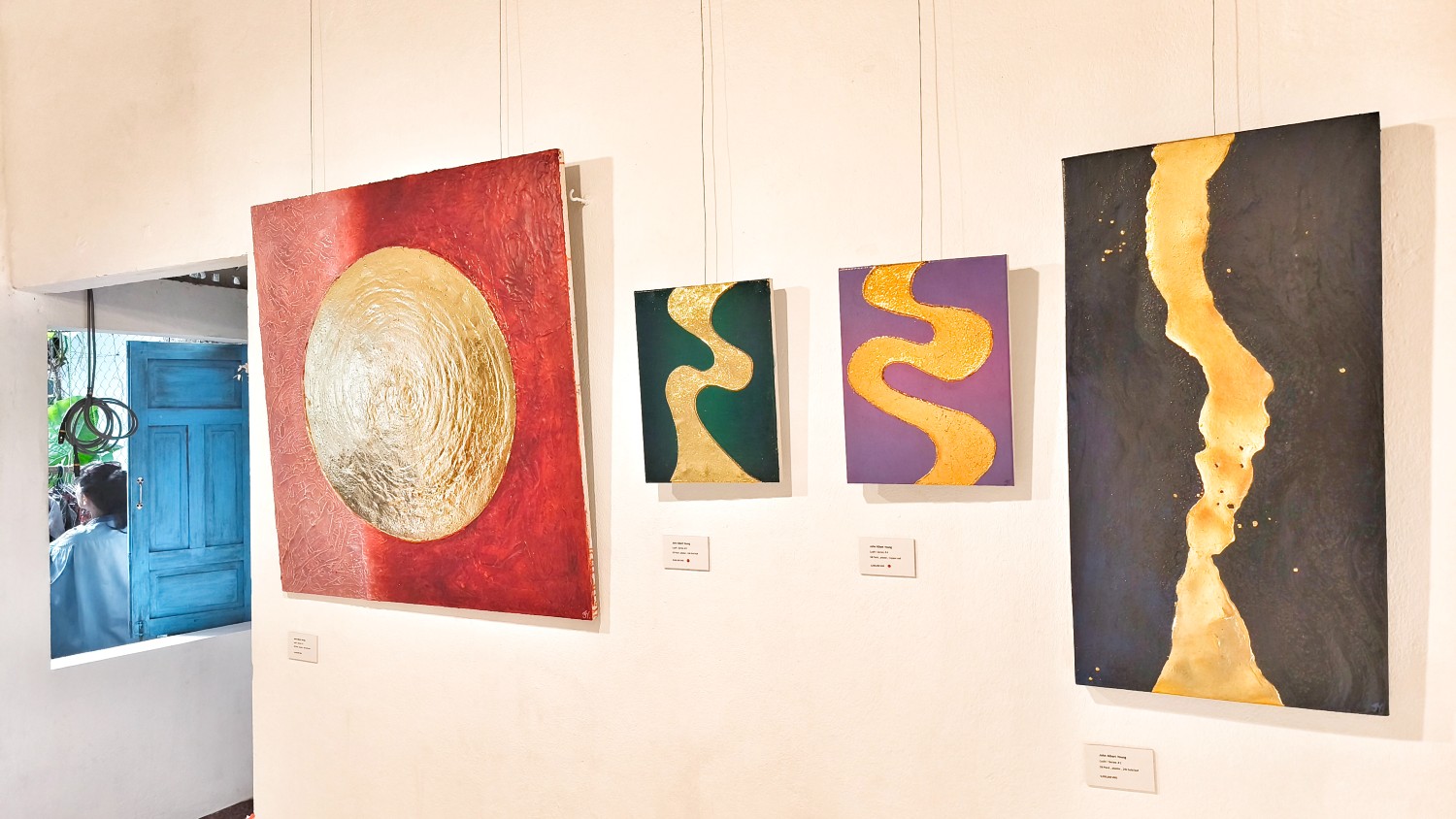
Young describes himself as an abstract artist, returning to the original idea of abstraction: to remove from reality. For him, attaching fixed temporal meaning to his work would go against its intention. His role as an artist is not to explain the world, but to offer a temporary distance from it; a moment of pause in which colour, light, and self-reflection can take over.
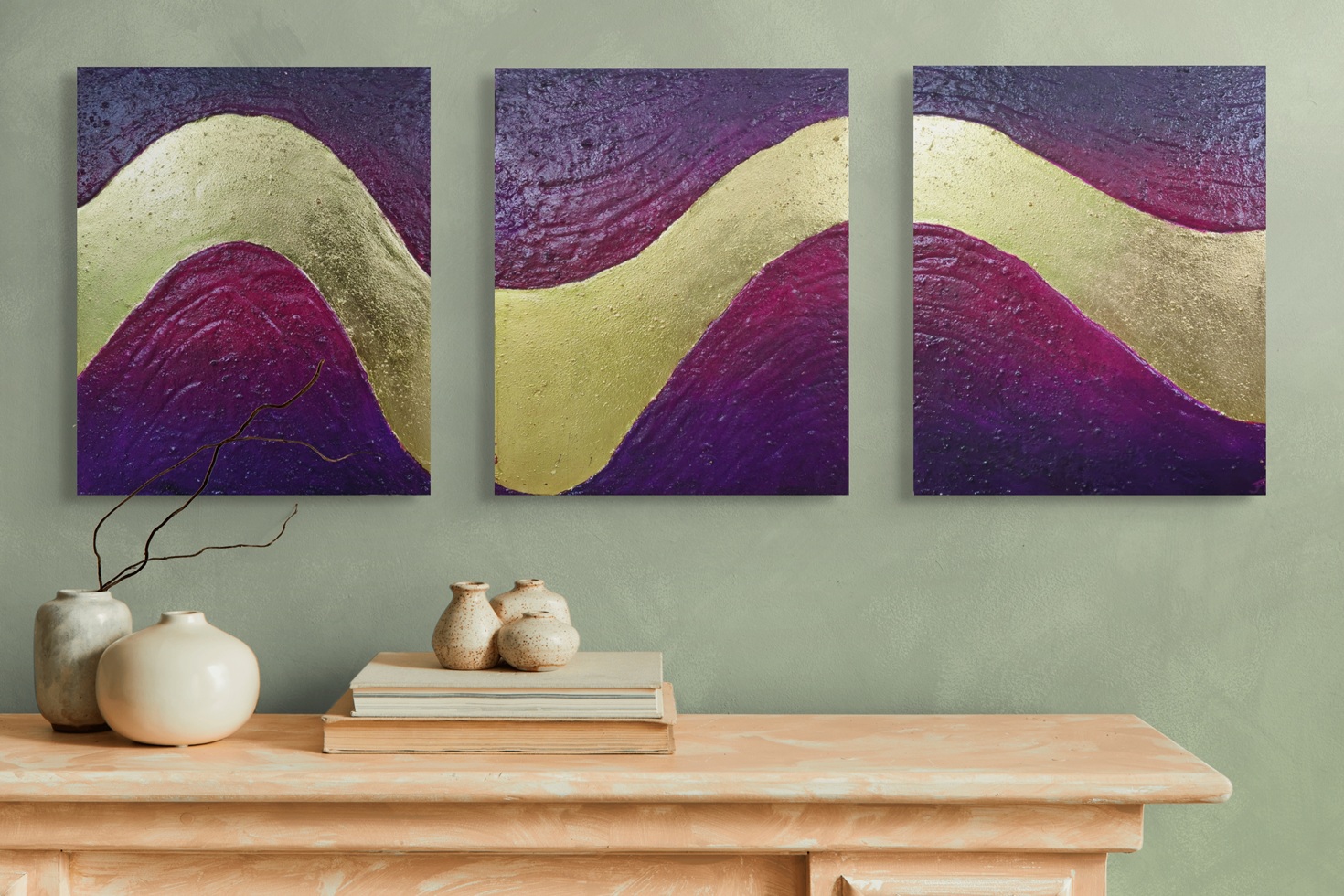
There is a quiet generosity in this approach. Young’s paintings do not demand intellectual performance from the viewer. They require as little explanation as it takes to enjoy a sunset. Their beauty is experienced before it is understood.
At John Albert Young Studio, painting becomes a place of refuge. Through glaze, gold, colour, and silence, John Albert Young does not paint the world as it appears. He paints the space where the world briefly falls away.