Franco-Canadian artist Benamout Guillaume builds a visual language between cinema, mural painting and abstraction. Shaped by years in the global film industry, his works transform colour, movement and layered marks into vibrant compositions that feel both spontaneous and carefully constructed.
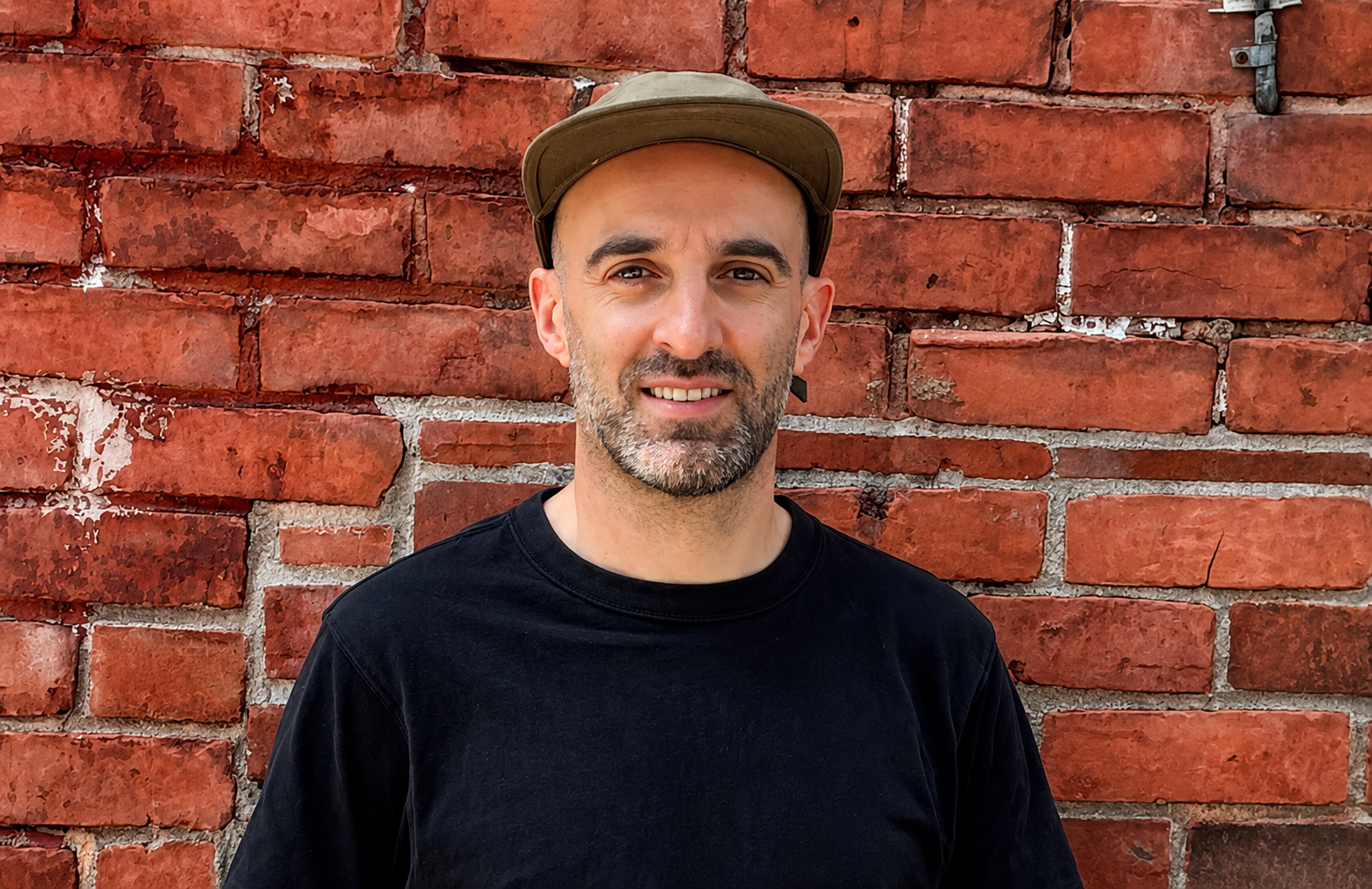
For Benamout Guillaume, image-making is an act of construction. Whether working across cinematic worlds or abstract compositions, he approaches each surface as a space where movement, colour and atmosphere can take form. His practice is shaped by two seemingly different yet deeply connected disciplines: the precision of matte painting and the physical freedom of mural art.
Guillaume Peyo was trained in Paris before establishing himself in Montréal, one of the world’s leading centres for visual effects. Over more than fifteen years in the global film industry, he has contributed to major productions for Apple TV+, Netflix and international studios, including Foundation, Ghost in the Shell, Furiosa, Dumbo and Death on the Nile. This background has given him a sharp understanding of composition, light, depth and visual storytelling. In film, every image must carry atmosphere and credibility. That discipline continues to inform the way he builds his personal artworks.
Yet Guillaume’s creative identity is not limited to the screen. For more than twenty years, he has also practiced mural painting, a form that requires instinct, scale and direct physical engagement. This experience brings a strong sense of movement into his abstract works. His compositions are filled with sweeping lines, layered textures, vivid colours and spontaneous gestures.
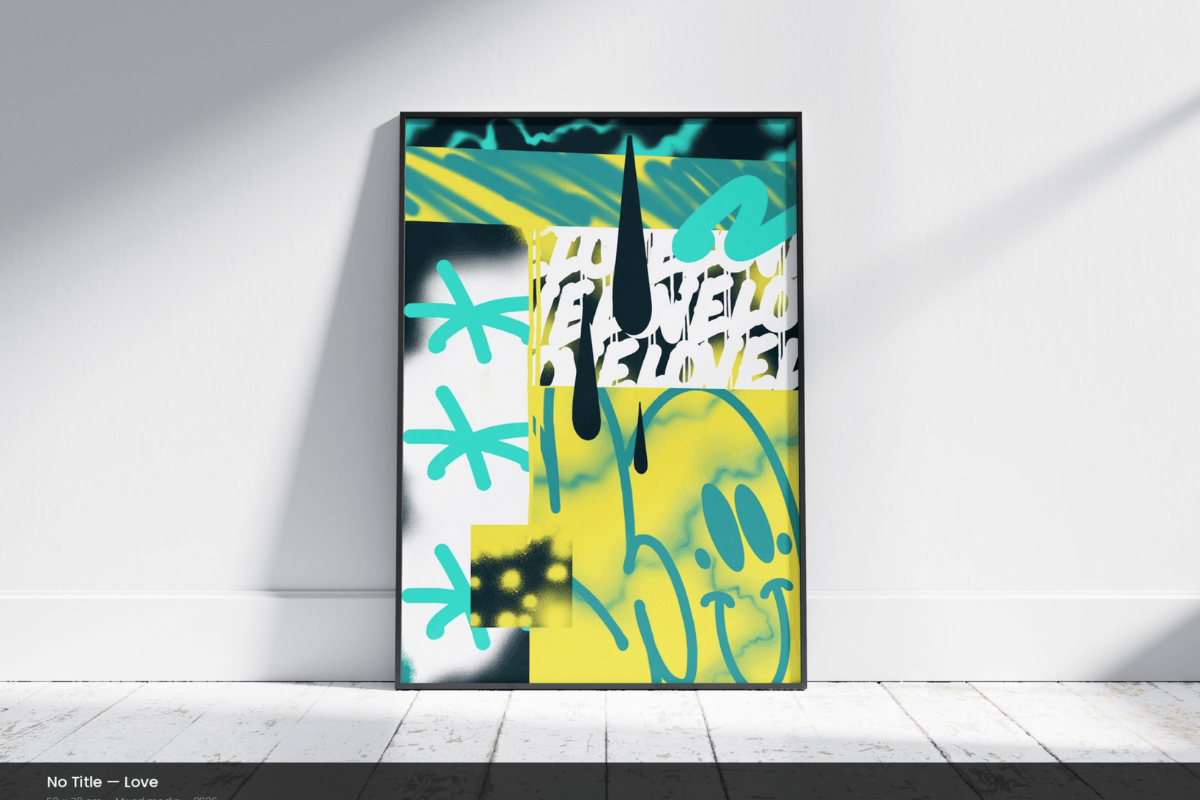
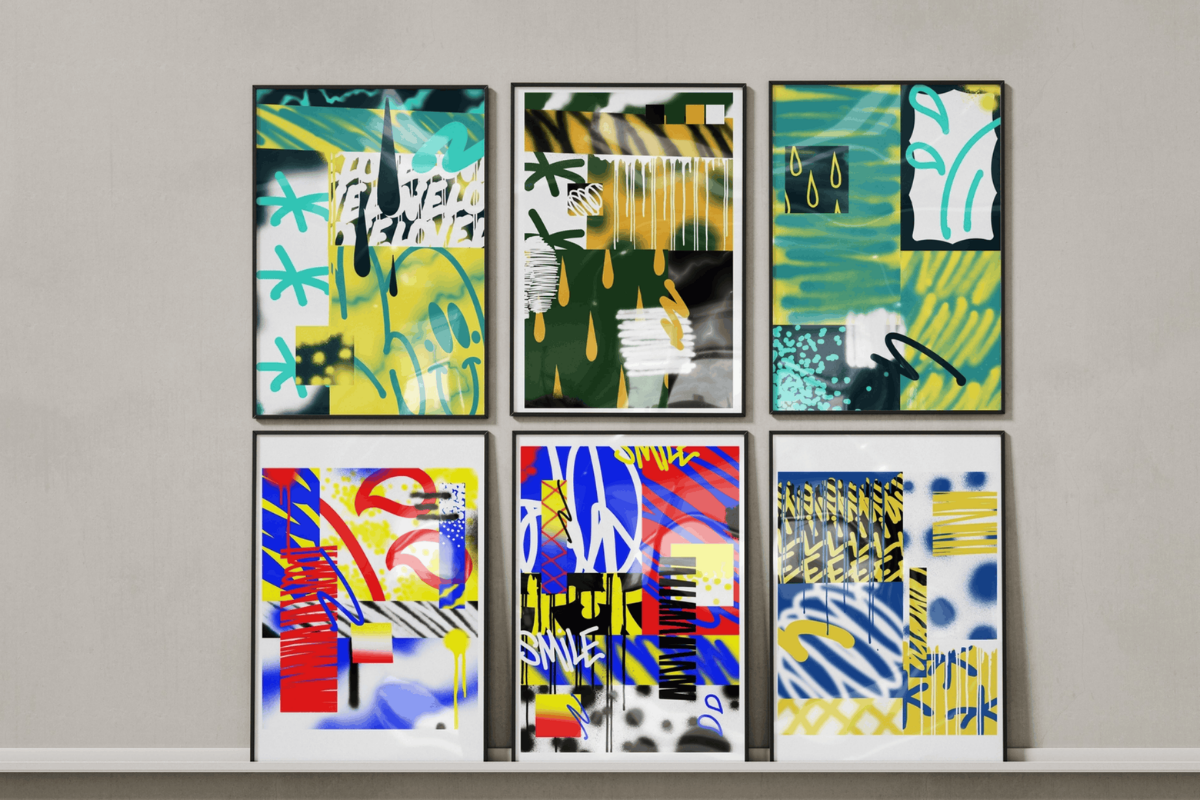
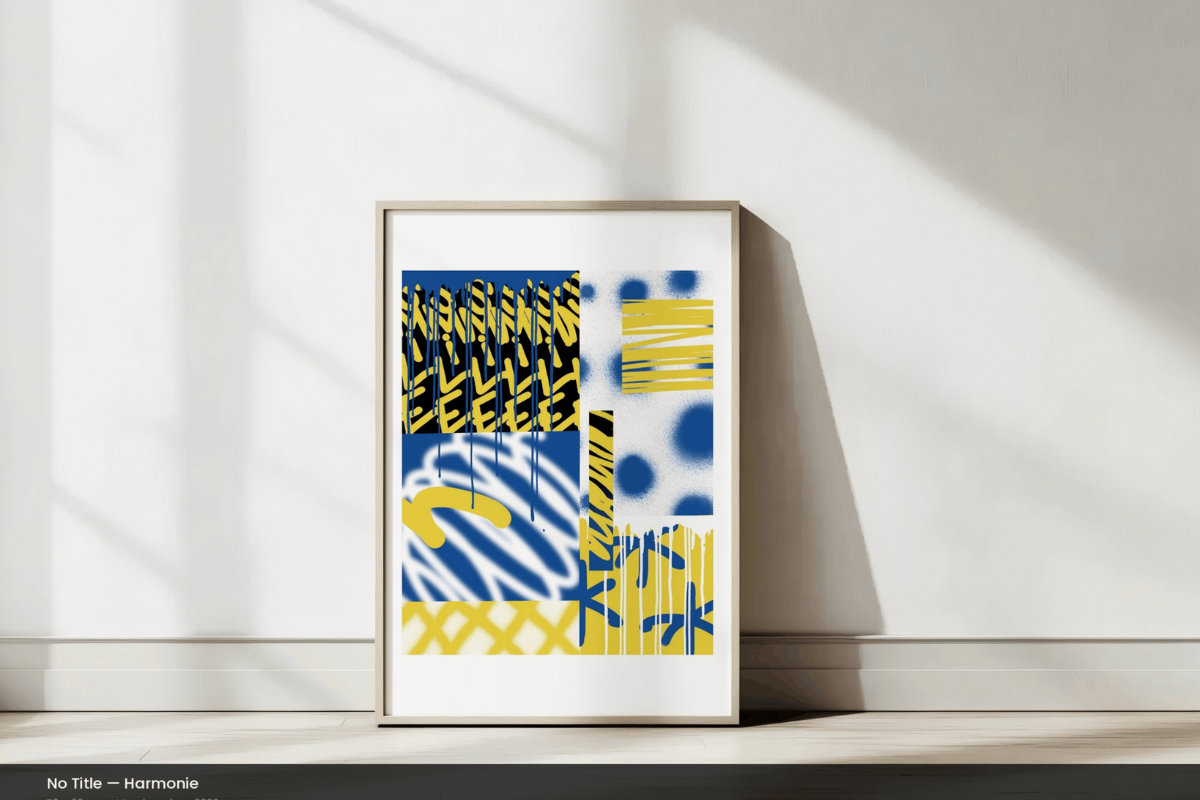
Drawing from graffiti culture, Guillaume transforms urban energy into a refined abstract language. His works feature bold marks, graphic forms, spray-like effects, drips, blocks of colour and overlapping patterns. These elements create a rhythm that feels alive, as if each canvas records a moment of motion. The viewer is invited to follow the traces of his gestures, moving through layers of colour and form.
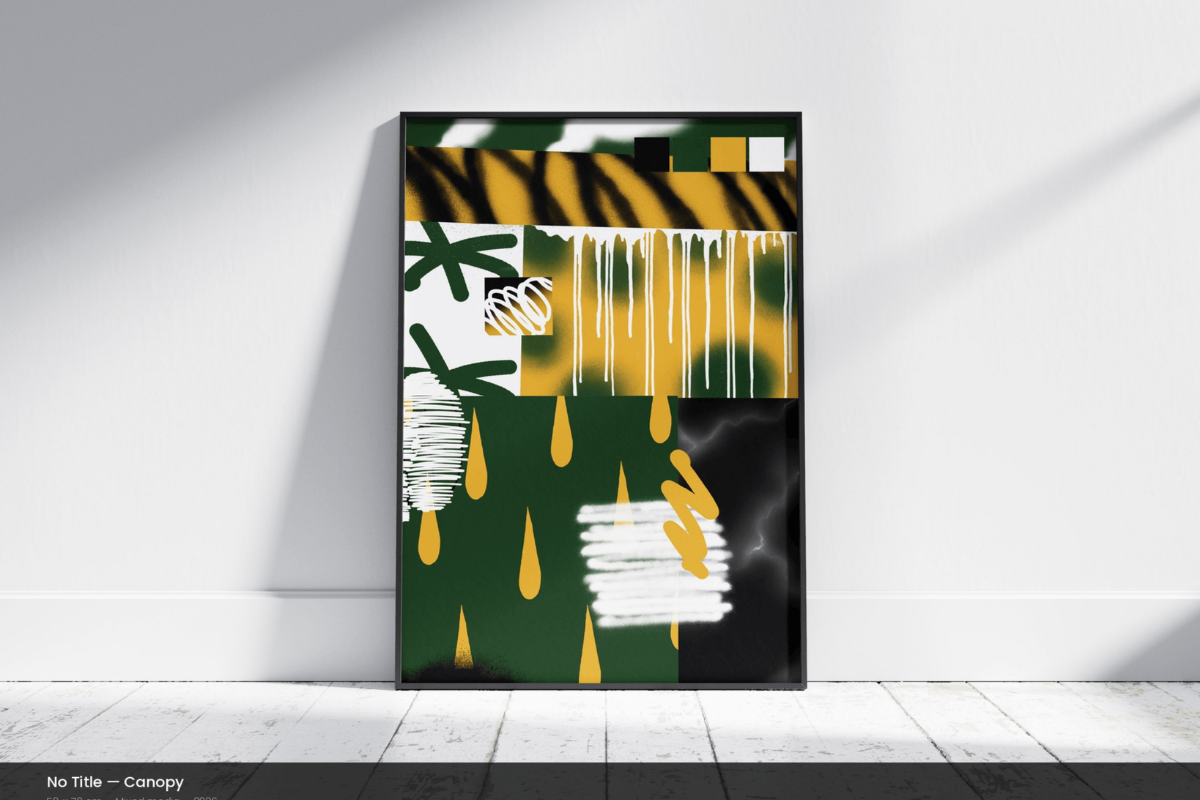
Colour plays a central role in his visual world. Bright yellows, electric blues, reds, blacks, greens and turquoise tones appear with confidence and intensity. At times, they recall city walls, posters, signs and fragments of street culture. At other moments, they suggest cinematic light or digital landscapes. This balance between urban memory and visual construction gives his work a distinctive tension.
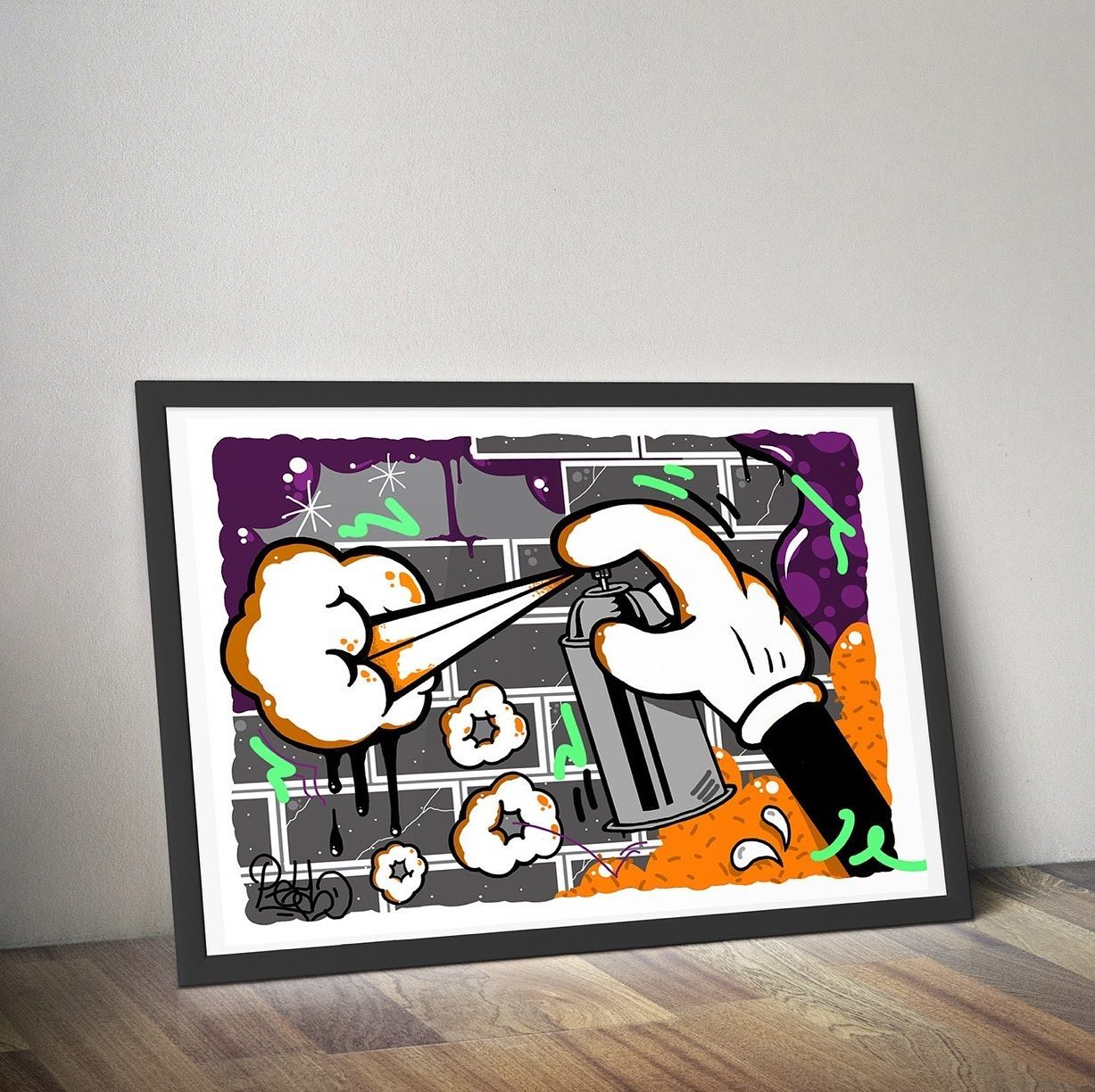
What makes Guillaume’s practice compelling is the way he brings together control and freedom. From cinema, he carries a sense of structure, atmosphere and world-building. From mural painting and graffiti, he draws energy, speed and instinct. His artworks do not describe a specific scene, yet they often feel like fragments of a larger environment. They suggest places in motion, shaped by memory, rhythm and visual noise.
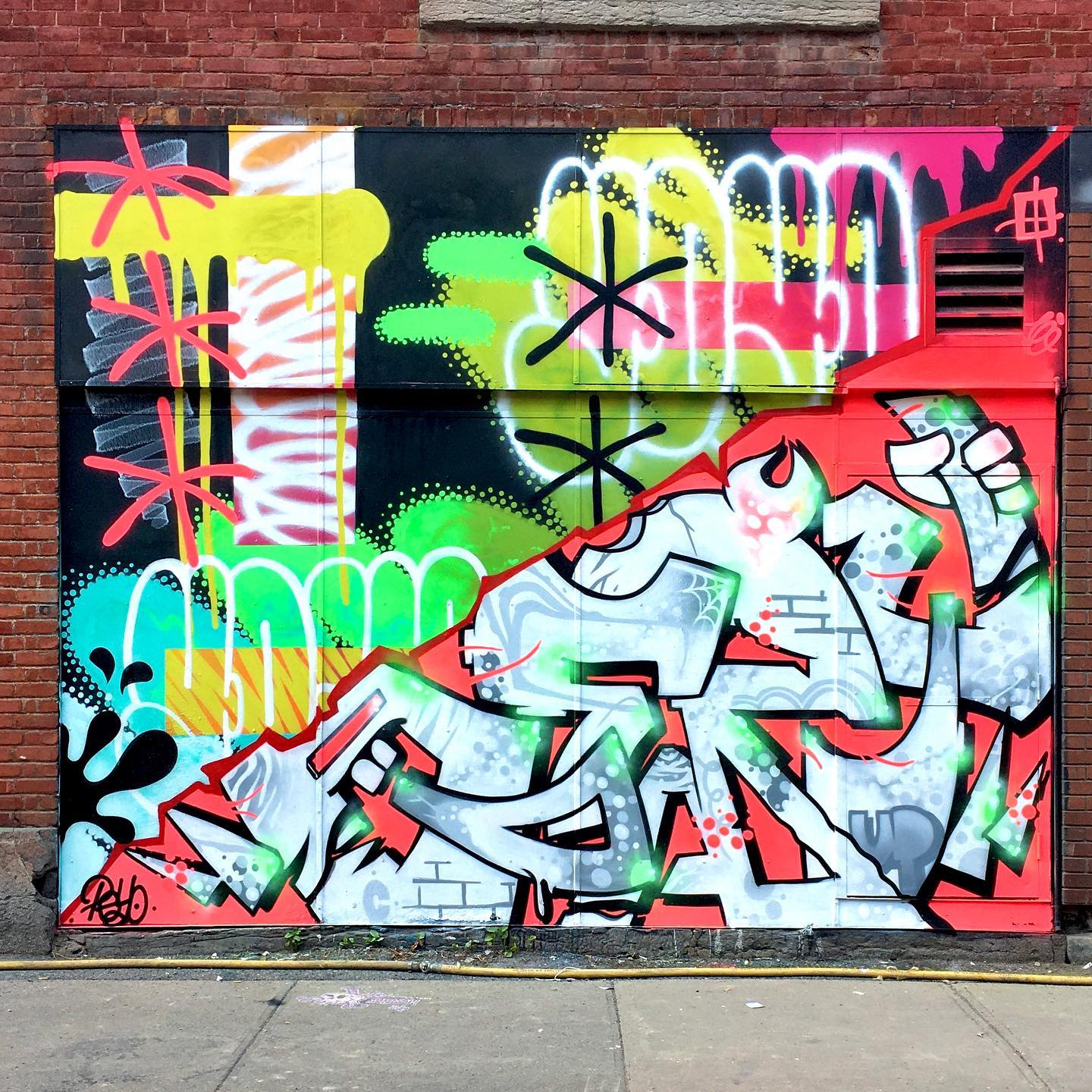
In his personal body of work, abstraction becomes a space of release. The image no longer needs to serve a film narrative or create an illusion of reality. Instead, it becomes a field for gesture, emotion and movement. Through each layered composition, Benamout Guillaume invites viewers into a world built from colour, mark and momentum, where the cinematic eye meets the freedom of the painted wall.