In Ho Chi Minh City’s fast-moving dining landscape, tradition is often treated as material to be transformed, reinterpreted, or adapted to contemporary tastes. Casinha adopts a quieter posture. It does not seek to reinvent Portuguese cuisine, nor to contextualise it. It presents it simply, as it is.
Opened in December 2024, Casinha arrived without announcement. No concept to defend, no trend to follow. Its identity asserted itself naturally: a Portuguese bistro rooted in family cooking, inherited recipes, and the everyday food culture of Portugal.
Portuguese cuisine has always spoken in a direct voice. It favours continuity over surprise, repetition over constant reinvention, balance over demonstration. At Casinha, this philosophy is lived above all around the table, in the time taken to eat together.

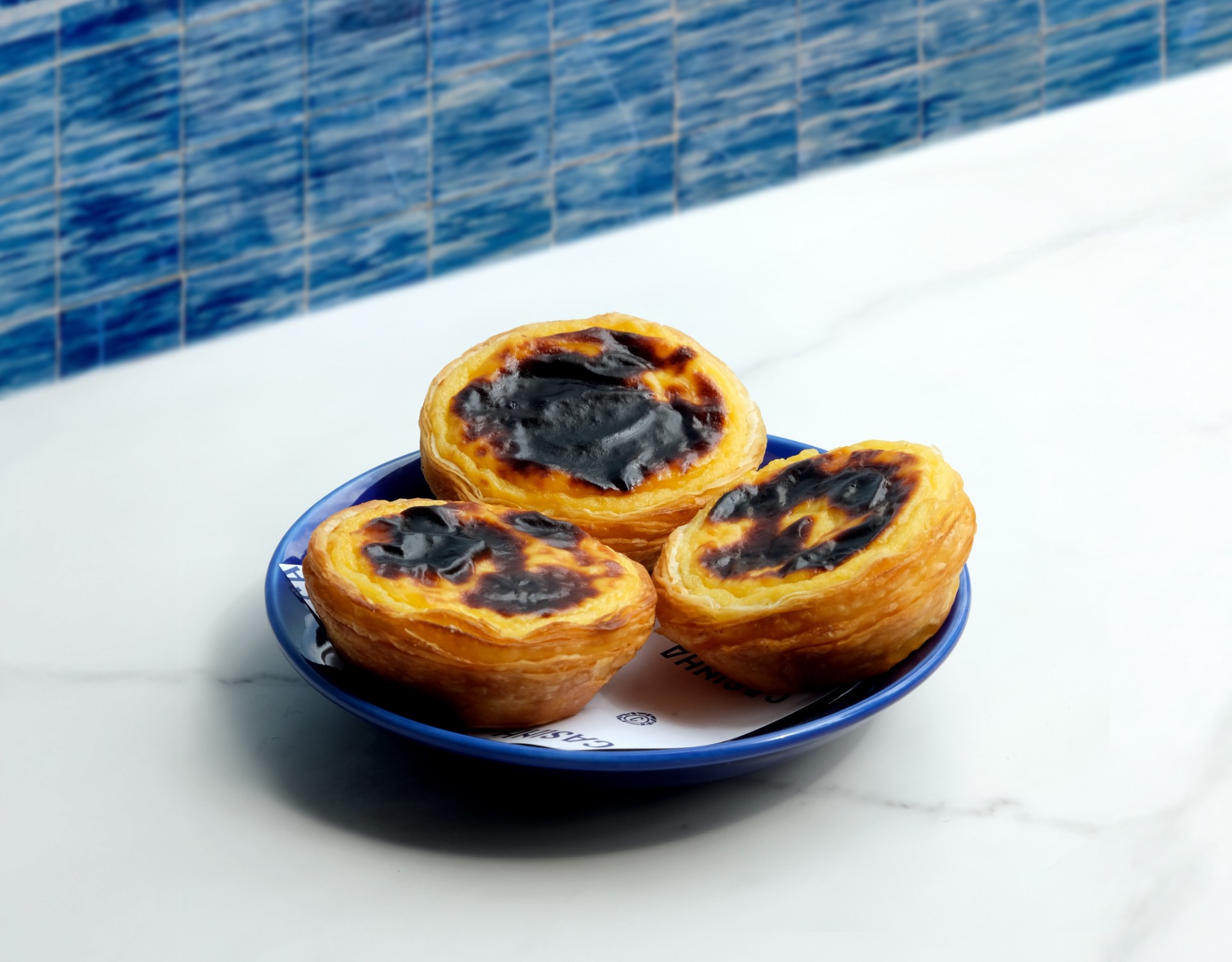
Pastéis de nata hold a familiar place here, as they do in Portugal: in the early morning with a coffee, as a dessert, or at any moment of the day. Prepared each day according to a family recipe, the pastry breaks delicately to reveal a warm, softly set custard, restrained in sweetness. A point of reference, rather than an effect.
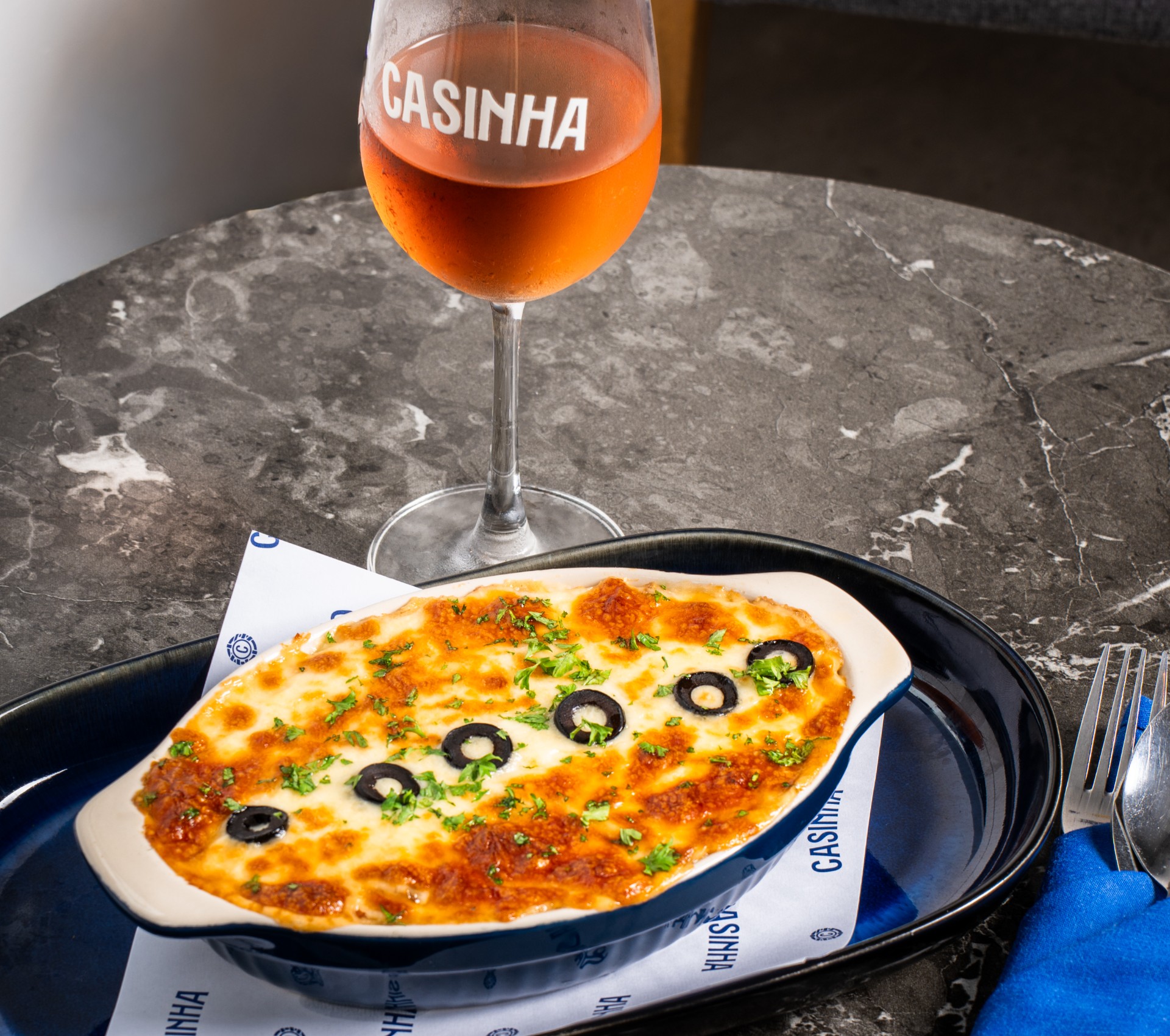
The menu then unfolds as a sequence of dishes immediatelyrecognisable, those shared in Portuguese homes and neighbourhood taverns. Bifana arrives without detour: thin slices of garlic-scented pork tucked into crusty bread, meant to be eaten by hand. Bacalhau à Brás follows, with its reassuring rhythm of shredded cod, egg, and potatoes, bound together without excess. Pica-pau and flaming chouriço are designed for sharing, inviting the table to linger, to break bread, to extend the moment. From the coast, ameijoas à Bulhão Pato bring freshness and salinity, simply lifted by white wine, olive oil, and coriander.
Nothing is arranged for effect. Portions are generous, sauces call for bread, and bread itself is never decorative. Here, the food does not ask to be interpreted. It invites being eaten together, shared, and remembered.
The dining room extends this same simplicity. White walls, blue chairs, hand-painted azulejo tiles, and closely set tables evoke Portuguese tascas — neighbourhood places one comes to, returns to, and lingers in as much for being together as for eating. Fado is heard softly in the background, not as a staged atmosphere, but as an obvious, familiar, and constant presence.