From mentoring Vietnam’s next generation of chefs to shaping the culinary vision of three luxury resorts, Chef Daniel Nguyen reflects on leadership, authenticity and the future of Vietnamese gastronomy. He shares why exceptional hospitality begins not in the kitchen, but with people, purpose and a commitment to continuous growth.
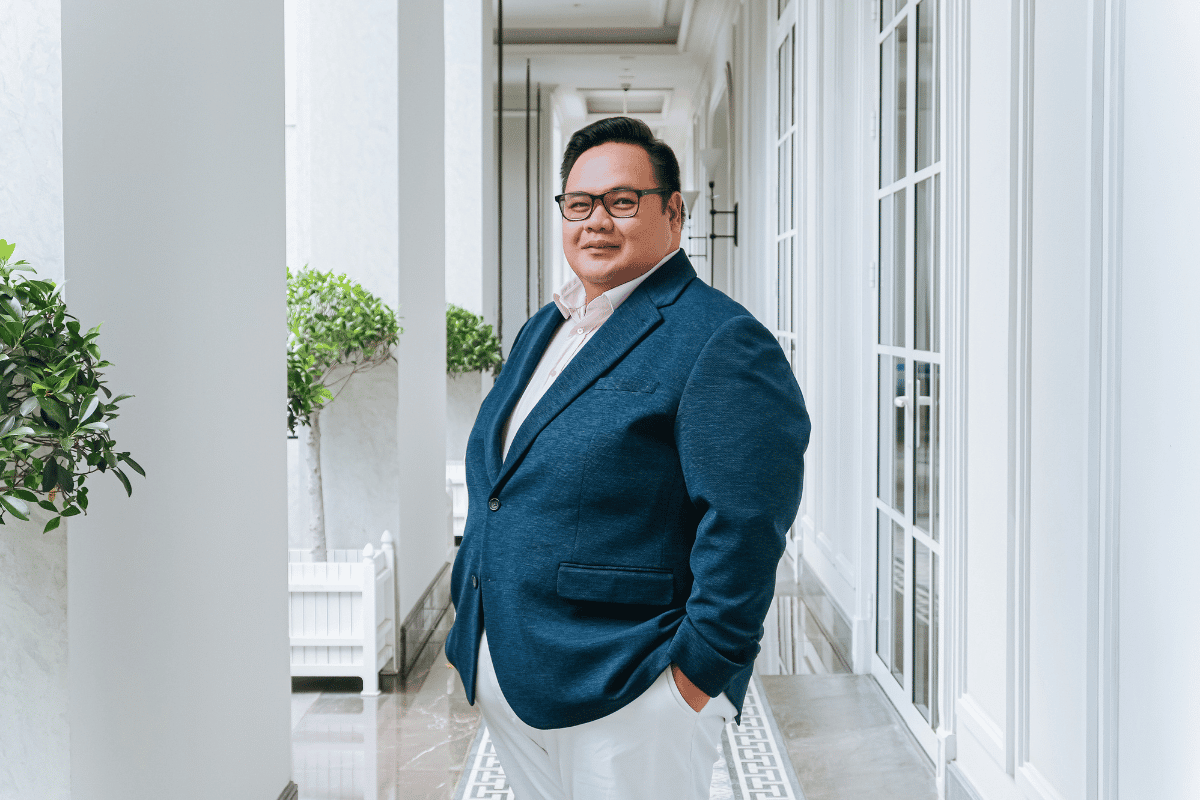
After more than 25 years working across New Zealand, Australia and Vietnam, you’ve witnessed the evolution of hospitality in very different markets. Looking back, what experiences have shaped your leadership philosophy most profoundly, and how do they influence the way you lead today?
Working across New Zealand, Australia and Vietnam has taught me that while cultures, cuisines and guest expectations may differ, hospitality is ultimately about people. Over the years, my role has evolved from executing in the kitchen to developing people. Rather than telling my team what to do, I help them understand why they do it. I encourage independent thinking, ownership and continuous learning, while supporting each person’s professional journey and sense of purpose. To me, leadership is measured not only by results, but by the people you inspire, develop and empower.
As Group Director of Operations (F&B & Culinary) at Mia Luxury Collection, your role extends far beyond creating menus. How do you build distinctive culinary identities for three very different luxury resorts while ensuring a consistent standard of excellence across the entire collection?
.png)
Each Mia property has its own identity, story and guest profile. My role is to ensure every culinary experience reflects the character and cultural heritage of its destination while maintaining the same uncompromising standards across the collection. Whether guests visit Mia Saigon Luxury Boutique, Mia Resort Nha Trang or Mia Resort Villas Quy Nhon, they enjoy a distinctive culinary journey crafted by talented teams who share the same commitment to authenticity, creativity and exceptional hospitality.
You often speak about connecting Vietnamese heritage with contemporary hospitality. How do you reinterpret local ingredients, traditions and culinary stories in a way that feels authentic to international guests without losing their cultural essence?
Vietnam is blessed with extraordinary ingredients, diverse regional cuisines and a rich culinary heritage. Our responsibility is to uncover those stories and bring them to life through food. Every dish represents more than an ingredient; it tells the story of the people, traditions and culture behind it. While cuisine naturally evolves, our goal is never to change its essence, but to present it through a contemporary lens that international guests can appreciate while preserving the authenticity that makes Vietnamese cuisine unique.
Having competed at both Bocuse d’Or Asia-Pacific and the International Catering Cup in Lyon, you’ve experienced the extraordinary level of discipline required on the world’s biggest culinary stages. How did those competitions change the way you think about excellence - not only as a chef, but as a leader and mentor?
.png)
Competing at the Bocuse d’Or and the International Catering Cup taught me that excellence is about far more than winning medals. It is built on discipline, creativity, consistency, patience and relentless preparation. As a mentor today, I focus less on perfection and more on helping young chefs develop those values. Success is earned long before competition day through commitment, resilience and continuous practice.
Under your coaching, Vietnam qualified for the Bocuse d’Or Grand Final in Lyon for the first time in history. Beyond the competition itself, what do you believe this achievement represents for the future of Vietnamese gastronomy on the global stage?
Qualifying for the Bocuse d’Or Grand Final in Lyon was a historic milestone for Vietnam, but it was never our final destination. It confirmed that Vietnamese gastronomy has the potential to stand alongside the world’s finest cuisines. That vision drives the Bocuse d’Or Vietnam Academy, where we mentor the next generation of chefs to compete at international standards while remaining true to Vietnam’s culinary identity. I hope this achievement inspires more young chefs to pursue their ambitions and proudly represent Vietnamese gastronomy on the global stage.
Technical skill can be taught, but resilience, discipline and teamwork are far more difficult to develop. When mentoring Vietnam’s next generation of chefs, what personal qualities do you believe separate a talented cook from a future culinary leader?
.png)
Technical skills can always be taught, but passion, discipline and patience define future leaders. Passion provides the motivation to pursue excellence, discipline sustains progress through challenges, and patience reminds us that mastery takes time. Talent may create opportunities, but it is attitude, resilience and work ethic that transform a skilled cook into an inspiring leader.
Your responsibilities include concept development, operational excellence, supplier partnerships and talent cultivation. In your opinion, what are the biggest challenges
facing luxury hospitality today, and how can culinary leaders continue to innovate while maintaining authenticity and consistency?
Luxury travellers today seek meaningful experiences rather than simply luxurious products. Authenticity, cultural identity and a genuine sense of place have become the true definition of luxury, and culinary experiences play a central role in delivering that. As hospitality continues to evolve rapidly, particularly in Vietnam, our responsibility is to innovate without losing our identity. We encourage our teams to respect tradition while embracing new ideas, ensuring every guest experience remains contemporary yet deeply rooted in the culture of its destination.
Sustainability is increasingly shaping the future of fine dining. Beyond sourcing local ingredients, what does responsible gastronomy mean to you, and how is Mia Luxury Collection integrating sustainability into its longterm culinary vision?
.png)
Sustainability extends far beyond sourcing local ingredients or reducing waste. For me, it is equally about investing in people. At Mia Luxury Collection, sustainability means nurturing young Vietnamese talent, creating meaningful career opportunities and preserving local craftsmanship while supporting responsible supply chains. Developing people is one of the most meaningful investments we can make for the long-term future of our industry.
You have often said that “exceptional dining experiences begin with exceptional people.” How do you create a culture where creativity, curiosity and collaboration flourish, particularly within multidisciplinary teams across multiple properties?
Culture is built through everyday actions rather than slogans. It evolves through the people who embrace shared values and contribute to them every day. At Mia Luxury Collection, we foster trust, open communication and collaboration across every department. The strongest ideas rarely come from one individual - they emerge through collective creativity. My role is to provide clarity, encouragement and trust so our people feel confident to contribute, grow and continue learning together.
Finally, as Vietnamese cuisine continues to receive international recognition, where do you hope to see it in the next decade? More importantly, what legacy would you like to leave - not only through the restaurants you lead, but through the chefs you inspire?
.png)
Vietnamese cuisine has every ingredient to become one of the world’s leading culinary destinations. The next step is strengthening culinary education, supporting local producers and creating greater opportunities for young chefs to compete internationally. If I hope to leave a legacy, it will be through the people I have helped develop. Through my work at Mia Luxury Collection and alongside Chef Sakal Phoeung at the Bocuse d’Or Vietnam Academy and the International Catering Cup Vietnam, my goal is to help the next generation realise their potential and proudly represent Vietnamese gastronomy on the world stage.