There are many ways to understand Vietnam, but few are as intimate as sitting down to eat. At Banyan Tree Lang Co and Angsana Lang Co, the table becomes a portrait of Central Vietnam, shaped by rice and sea, seasonal rituals, inherited memories and the generosity of sharing food together.
In Vietnam, a grain of rice has long been likened to a grain of gold. The expression speaks not of luxury, but gratitude: for fertile land, patient hands and the labour concealed within something seemingly simple. It also reveals why food here is rarely just sustenance. It carries memory, family and a profound sense of place.
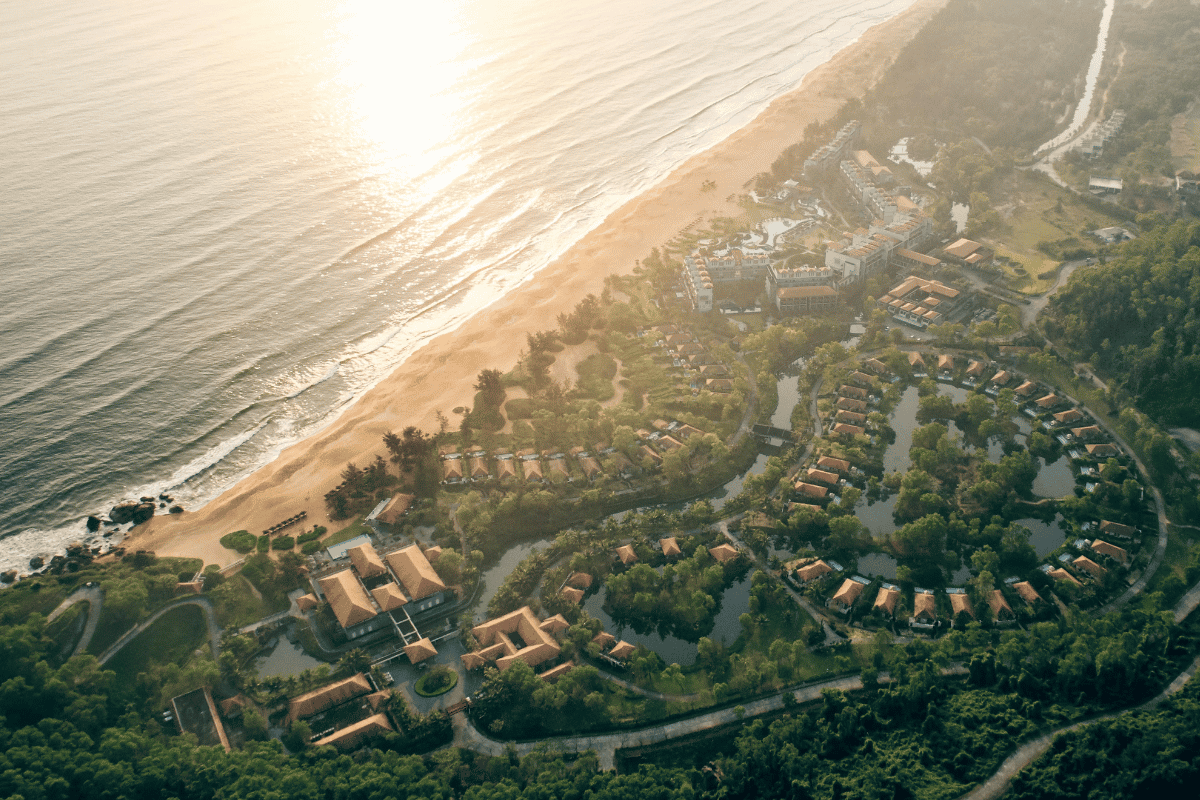
That sensibility runs quietly through Banyan Tree Lang Co and Angsana Lang Co, set between the Truong Son mountains and the East Sea. Rather than treating Vietnamese cuisine as a collection of dishes, the two resorts explore the culture surrounding the table: how ingredients are grown and gathered, how meals are shared, and how everyday customs become repositories of memory.
BANYAN TREE LANG CO
At Banyan Tree Lang Co, which retained two MICHELIN Keys for a second consecutive year in 2026, one such memory arrives at the villa in the form of a gánh. Dressed in áo dài and nón lá, a host carries the traditional bamboo shoulder pole laden with freshly brewed tea and sweets. The ritual recalls the street vendors whose tiếng rao once drifted through waking neighbourhoods, turning afternoon tea into something more personal: an encounter with a familiar rhythm of Vietnamese life.
.png)
When lotus season comes to Hue, tea moves outdoors. Beside a lake alive with blossoms, the resort’s Lotus Afternoon Tea pairs lotus-inspired delicacies with the landscape that inspired them. Part of “Vietnam for Every Season”, the experience captures a particularly Vietnamese awareness of seasonality, allowing flavour, setting and time of year to speak together.
.png)
The landscape takes a different form in the Sea and Tree Bespoke Menu, developed with Nén, Vietnam’s only MICHELIN Green Star recipient. Lang Co’s seafood, greenery and local produce shape a menu grounded in hyperlocal sourcing and respect for ingredients. Its refinement comes not from excess, but from allowing the character of the coast and surrounding land to remain legible on the plate.
ANGSANA LANG CO
Rice Bowl turns to the architecture of rural life. Inspired by bamboo fishing traps used in shallow waters, the restaurant evokes a wider agricultural landscape of rice fields, waterways, fish ponds and bamboo groves. Here, design becomes another storyteller, placing Vietnamese cuisine within the farming and fishing traditions that have sustained communities for generations.
.png)
Across both resorts, these experiences reveal dining culture through its many textures. A cup of tea can hold a childhood memory. A fishing trap can become architecture. A local ingredient can map the landscape from which it came. In Lang Co, these elements are woven into experiences that invite travellers to encounter Central Vietnam not merely through what is served, but through the culture that gives each dish meaning.