As wellness grows increasingly clinical, tracked and performance-driven, a quieter philosophy is returning to centre stage. Across the world, exceptional retreats are drawing on ancestral wisdom elevating ritual, landscape and lineage into deeply considered experiences where luxury is not defined by excess, but by meaning, authenticity and emotional depth.

When Luxury Chooses Memory Over Invention
We live in a world obsessed with optimisation. Health is
measured through apps, watches, diagnostics, supplements and
strict regimes calibrated to promise improvement. We count
minutes of sleep, track heart rate, analyse performance and
endlessly adjust ourselves in pursuit of some elusive perfection.
Yet, intriguingly, the most compelling wellness destinations
today are stepping away from this narrative entirely. Rather
than placing faith in whatever is newest, fastest or most
technologically advanced, they are moving with elegance in
the other direction, toward time, toward lineage, toward
philosophy. These retreats are not interested in spectacle. They
are guardians of traditions that pre-date modern wellness by
centuries. Instead of layering gimmicks onto their spa menus,
they return to rituals once understood to hold both physical and
spiritual significance. The result is not nostalgic. It is quietly
radical: wellness that feels holistic, rooted, and emotionally
resonant, not because it is complicated, but because it has been
refined through generations of lived experience.
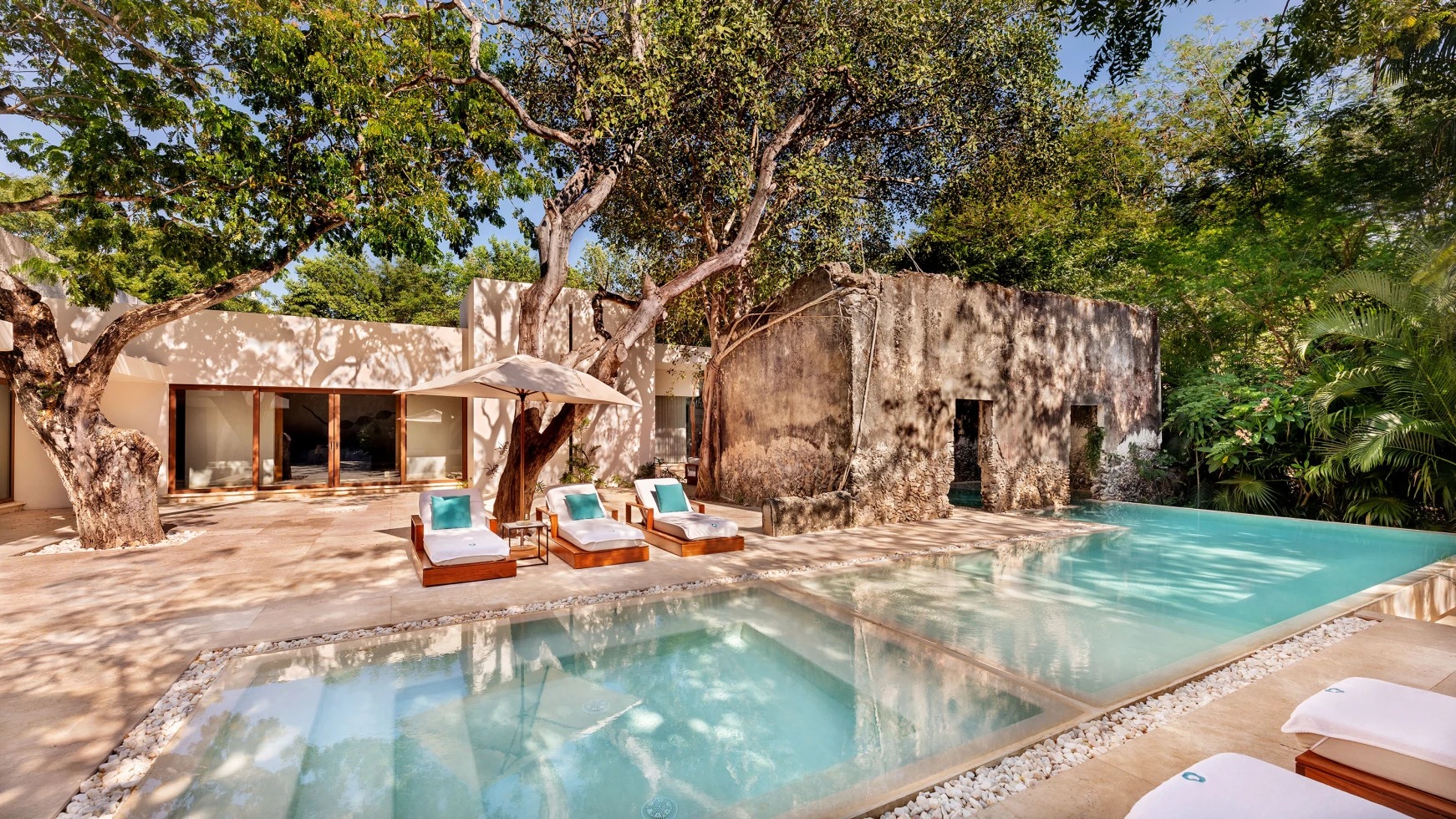
Here, the idea of luxury changes entirely. Luxury is no longer
the accumulation of indulgences or the presence of every possible
treatment. Luxury becomes space, silence, intentionality and
respect. These destinations ask guests not simply to consume,
but to participate. They invite introspection. They encourage
presence. They slow the mind in ways technology cannot
replicate. And as the pace of life accelerates, this shift subtle,
almost understated feels increasingly like the ultimate privilege.
Chablé Yucatán, Mexico: Where the Earth Becomes Part of the Ritual
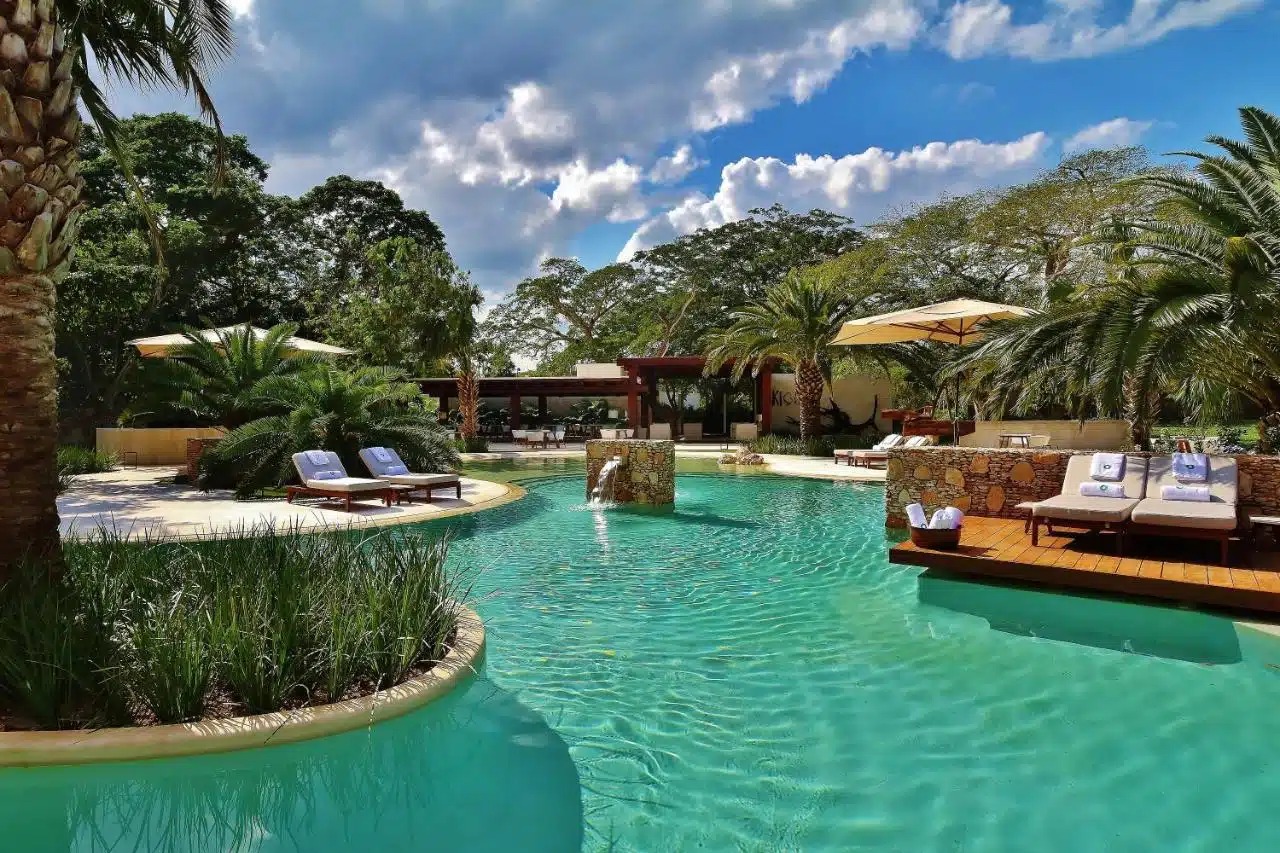
At Chablé Yucatán, there is a sense that everything begins and
ends with the land. The cenote at its heart, crystalline, still,
mysteriously deep, is more than a design feature. For the Maya,
such waters were portals between worlds, and that reverence
remains palpable. The resort is built around it like an offering,
with pathways that trace the jungle, treatment rooms positioned
discreetly among ancient trees, and architecture that feels
carefully restrained rather than theatrically impressive.
The experience unfolds with a sense of narrative rather
than schedule. Treatments are personalised, highly skilled and
beautifully delivered, but always framed by ritual. The sound of
the conch shell, low and resonant, carries through the trees as
sessions begin. Copal smoke drifts slowly through the air, not as
decoration, but as a blessing. There is the feeling that something
sacred is being acknowledged, even if one cannot quite articulate
what that is.

The temazcal ceremony takes this philosophy deeper still.
Guided by a shaman, guests step into the domed stone chamber.
Darkness envelops immediately; the outside world disappears.
Volcanic rocks heat intensely at the centre while herb-infused
water is poured over them, creating waves of aromatic steam
heavy with heat and fragrance. At first, the instinct is to resist,
it is too hot, too intense, too unfamiliar. But gradually, breath
regulates, muscles soften, and the mind moves into a state
of profound concentration. Emotions come to the surface:
memories, tension, unspoken anxieties, all met with calm,
unhurried guidance.
Nothing in the experience is theatrical. No attempt is made
to dramatize or sensationalize the ritual. Instead, it is treated
with maturity and dignity, acknowledging its cultural origins
fully. Emerging afterward into the quiet of the jungle, skin
cool again, body lighter, there is an unmistakable sensation of
renewal. Guests leave not simply relaxed, but re-aligned, as if
the ceremony has gently cleared space within.
Rosewood Munich, Germany: Elegance, Restraint and the Quiet Medicine of Place
Rosewood Munich situates wellness within an entirely different
landscape: the cultural heart of Bavaria, where centuries of
history, monasteries, forests and mineral springs shaped an
intuitive understanding of health long before the existence of
modern spas. The hotel itself exudes urban sophistication, but
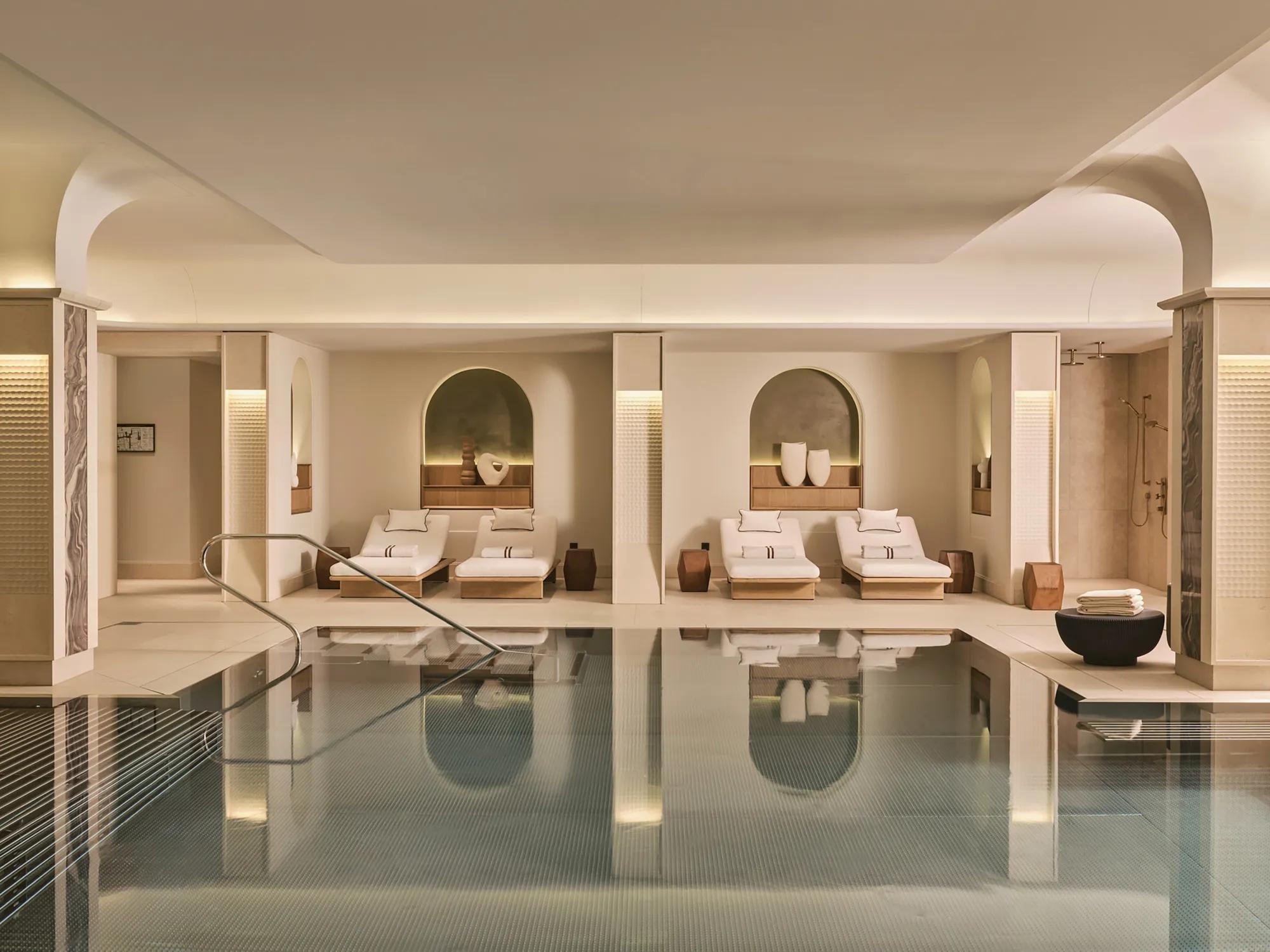
the Asaya Spa below ground feels like entering a serene world
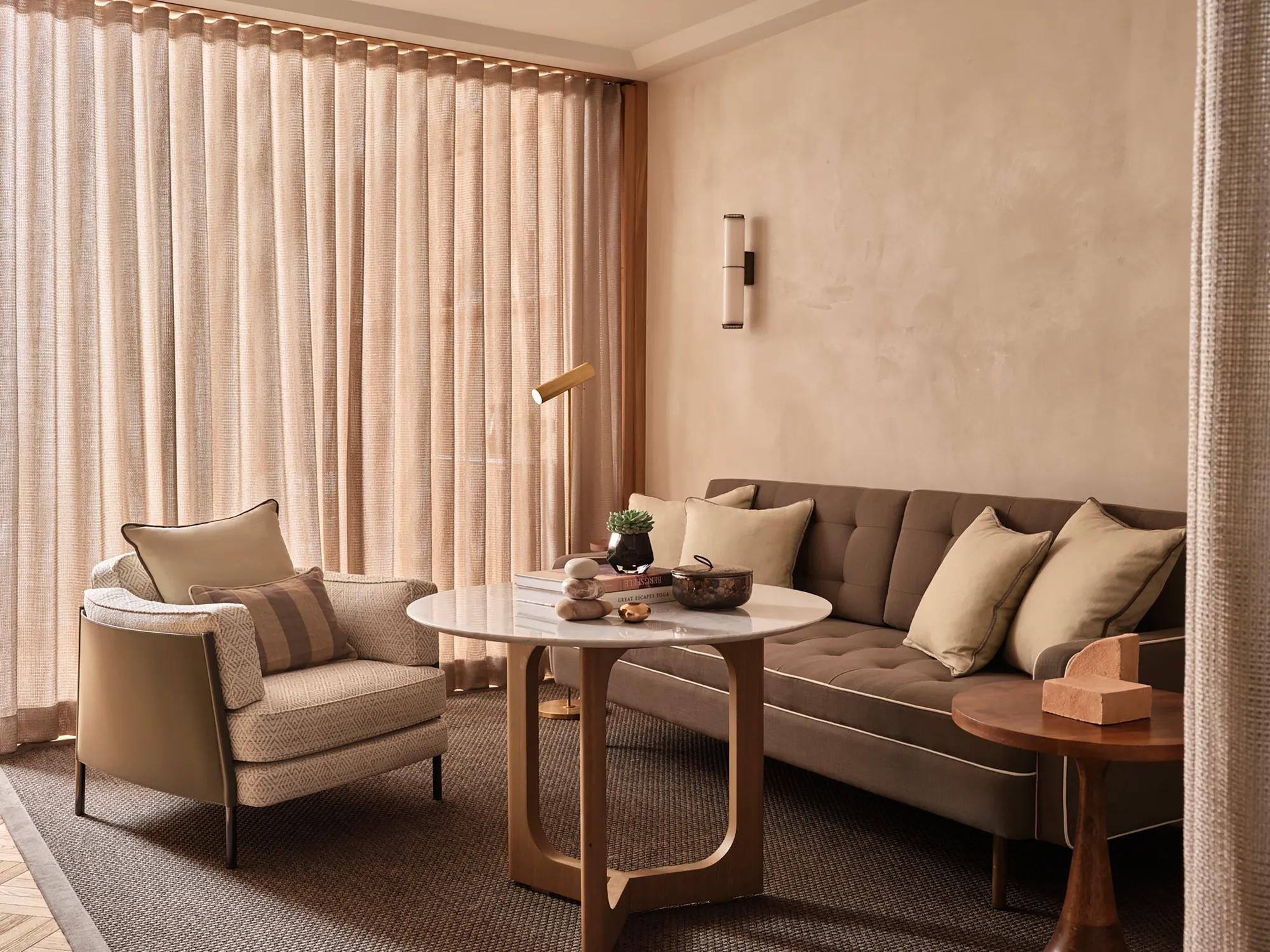
carved deliberately away from city life. Lighting is softened to a
gentle glow, materials are tactile, acoustics absorb sound rather
than amplify it. The mood is contemplative.
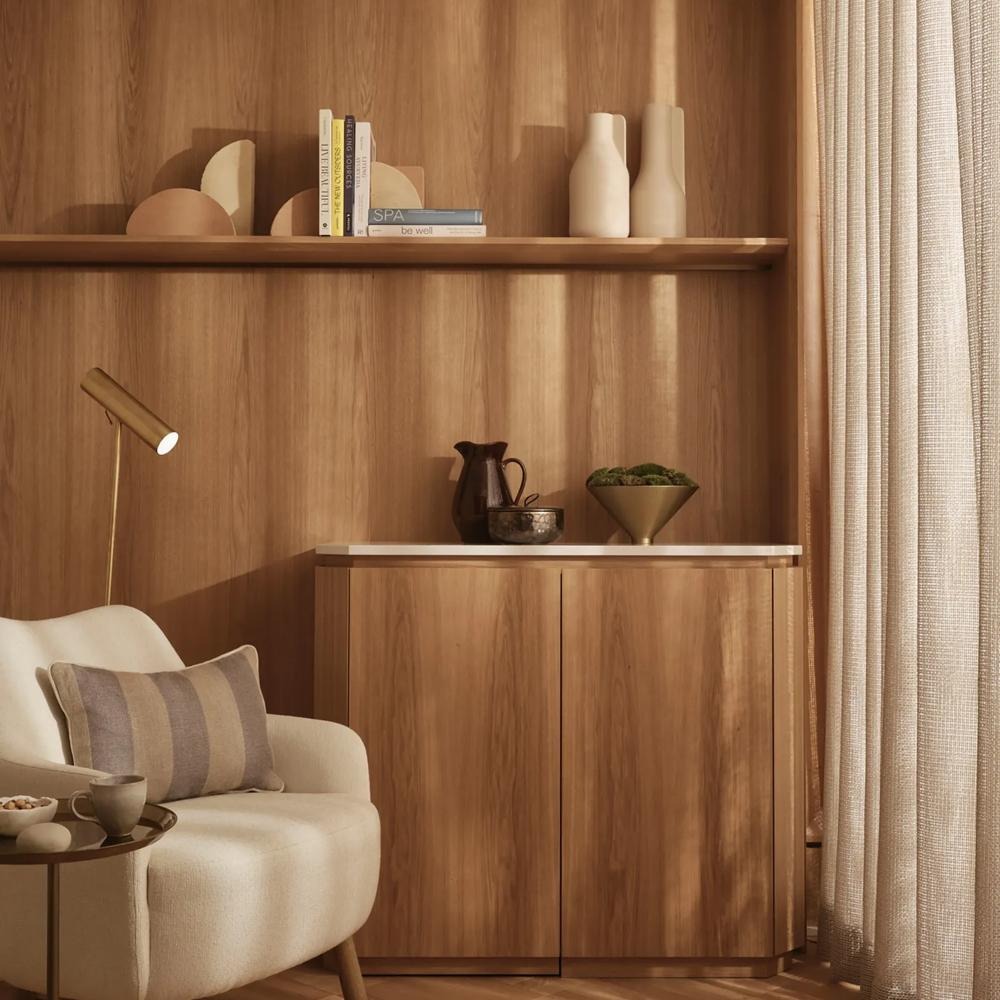
The Lost Remedies programme is an homage to the region’s
past, not in a nostalgic or decorative sense, but as a way of
honouring forgotten knowledge. The Aufguss ritual, with
aromatic waters poured over heated stones, is transformed
into a carefully guided sensory journey. The air grows heavier
with fragrance, herbs, pine, subtle florals, and the temperature
rises with intention. Each stage encourages a deeper sense of
presence: breath becomes slower, thoughts release their grip,
physical tension dissolves. The experience is grounded, almost
monastic in spirit, yet undeniably luxurious in execution.
Another treatment incorporates mineral earth, applied
gently to the feet, symbolic, yes, but physiologically calming as
well. It acts as a reminder that wellness once emerged from the
simplest elements: soil, heat, water, air. The space surrounding
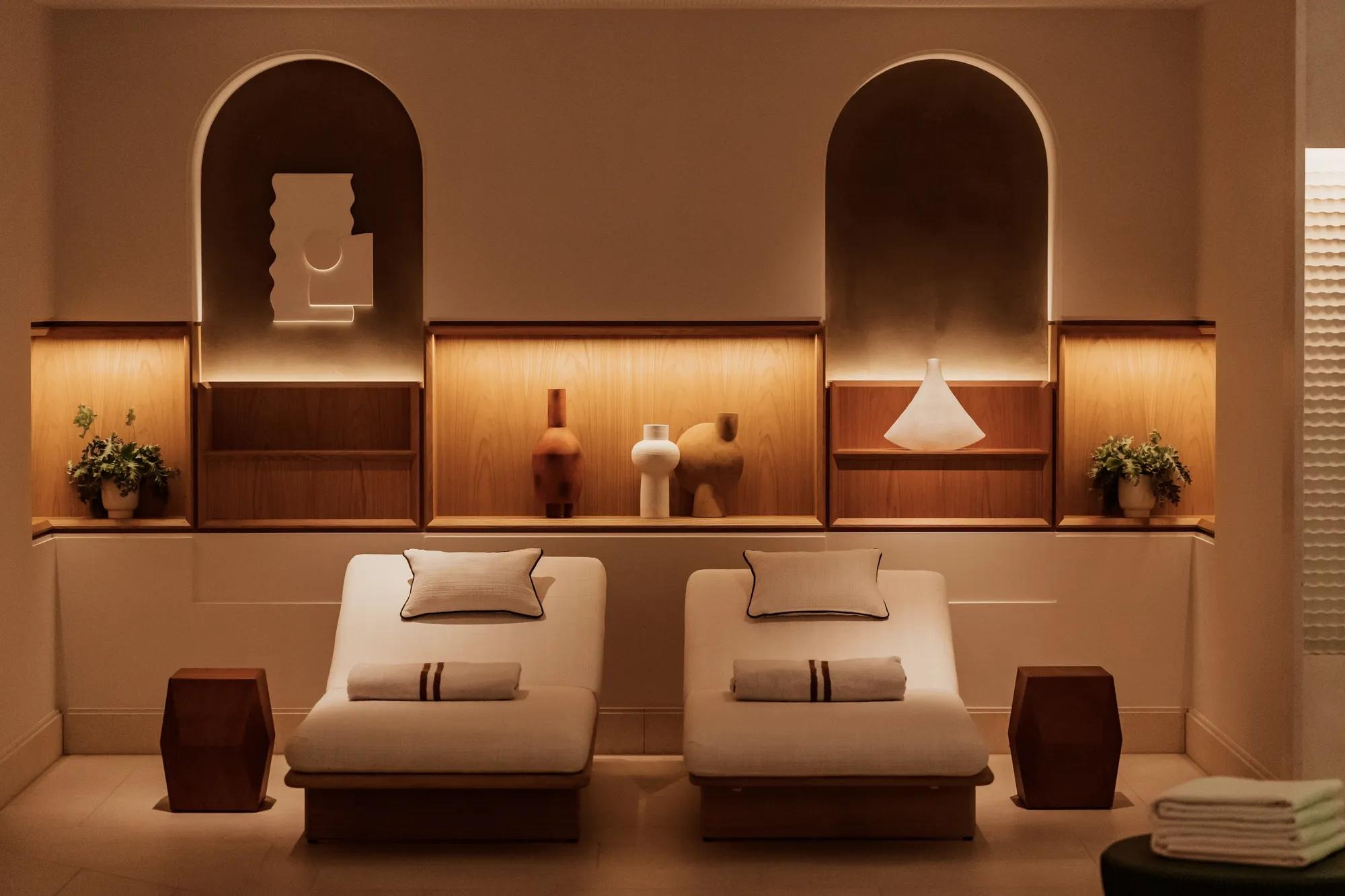
these treatments reinforces that simplicity. Saunas glow softly.
The pool moves in elegant stillness. Heated stone loungers cradle
the body in slow, enveloping warmth. Conversations naturally
soften, and even time seems to lose urgency.
Here, luxury is expressed through refinement and discipline
rather than excess. It is the decision not to overwhelm, not to
impose, not to turn wellness into spectacle. Instead, the spa
speaks quietly, and guests inevitably match its rhythm.
Six Senses Vana, India: Where Knowledge Becomes Lived Experience
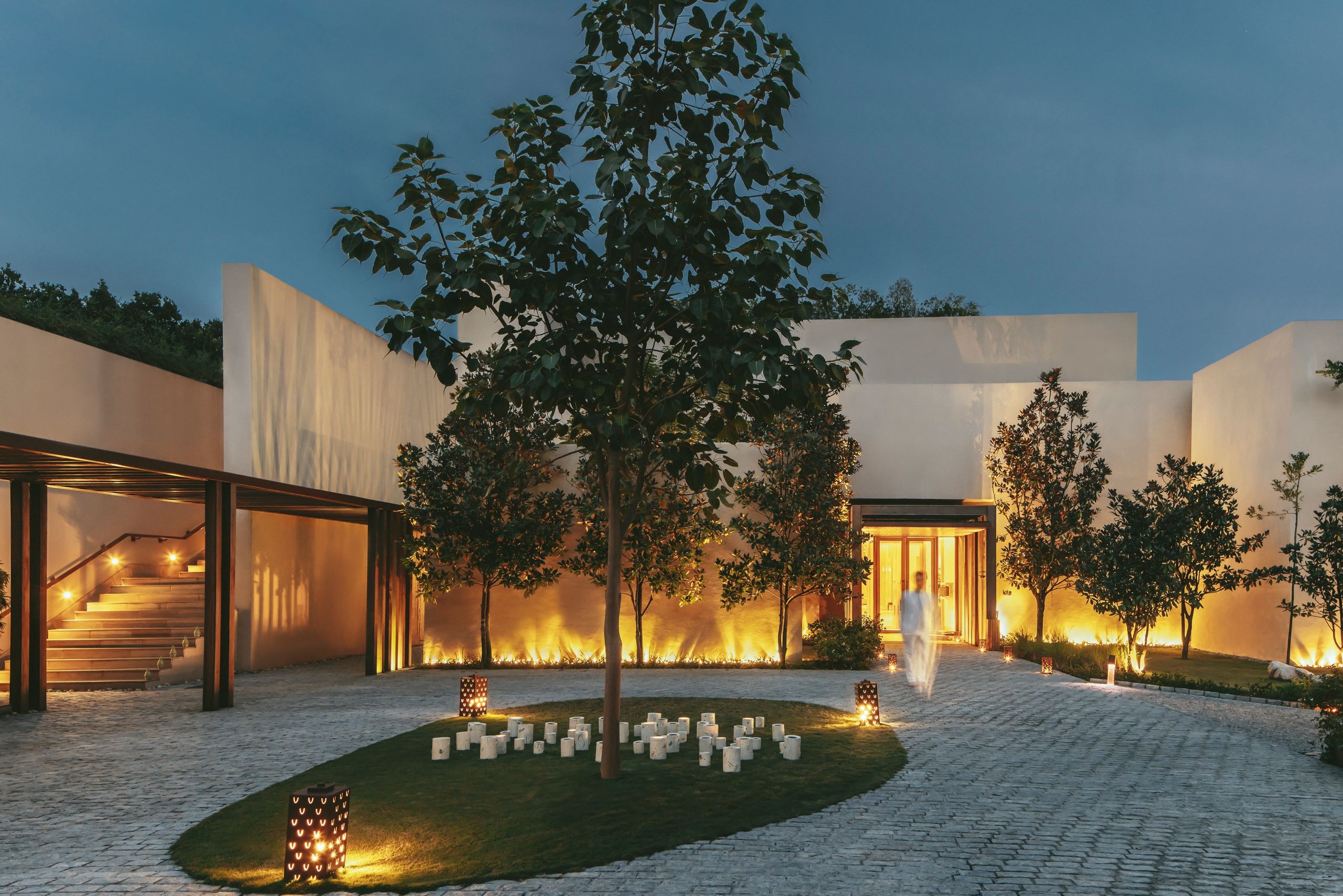
Six Senses Vana, set gently among the Himalayan foothills,
embodies a philosophy of wellness that is fundamentally
humanistic. It is not created for effect. It is created for
realignment. Ayurveda, the foundation of the retreat, is
approached with scholarship and sincerity. Upon arrival,
consultations unfold slowly, with curiosity rather than urgency.
Practitioners consider patterns of sleep, digestion, emotional
climate, life habits and mental state, shaping programmes that
feel deeply personal, never generic.

Days at Vana are designed with intentional rhythm. There
is a quiet choreography to the hours: therapeutic treatments
that restore circulation and balance; yoga practices grounded
in philosophy rather than athleticism; guided meditation
that feels both accessible and meaningful; and cuisine that
nurtures without austerity, allowing pleasure and health
to coexist. Guests are encouraged to see wellness not as
intervention, but as lifestyle something carried beyond the
boundaries of the retreat.
The inclusion of Sowa Rigpa, traditional Tibetan medicine,
deepens the sense of cultural continuity. This system views
the body not merely as a mechanism, but as an energetic
ecosystem influenced by elemental forces. Consultations are
gentle, intuitive, deeply observant. Treatments unfold with
precision and compassion, adding another layer of subtlety to
the retreat’s approach.

Perhaps the most visually striking detail is the simple cotton
kurta worn throughout the stay. It dissolves hierarchies instantly:
there is no fashion, no competition, no performance. Everyone
exists in the same visual language of humility. That shift changes
behaviour conversations soften, presence deepens, and people
seem to rediscover the comfort of simply being.
Toward a More Soulful Vision of Wellness
Across Mexico, Germany and India, different landscapes,
cultures and aesthetics, a single narrative emerges. These
retreats understand that wellness is not a commodity to be
packaged or sensationalised. It is a living tradition shaped by
communities, landscapes and philosophies over time. Rather
than exploiting heritage, they collaborate with it. Rather than
staging rituals as performance, they create environments in
which those rituals retain their dignity. And rather than chasing
novelty for novelty’s sake, they pursue depth.
In this world, luxury is not louder, it is wiser. It favours
slowness over speed, connection over distraction, and meaning
over spectacle. It invites us to pause long enough to hear what our
bodies, our histories and our environments have always tried to
tell us. Perhaps the future of wellness does not demand constant
reinvention at all. Perhaps it simply requires the confidence and
the grace to remember.