Think winter is only for skiing? Japan shows that there’s more to the cold season than sliding down the slopes.
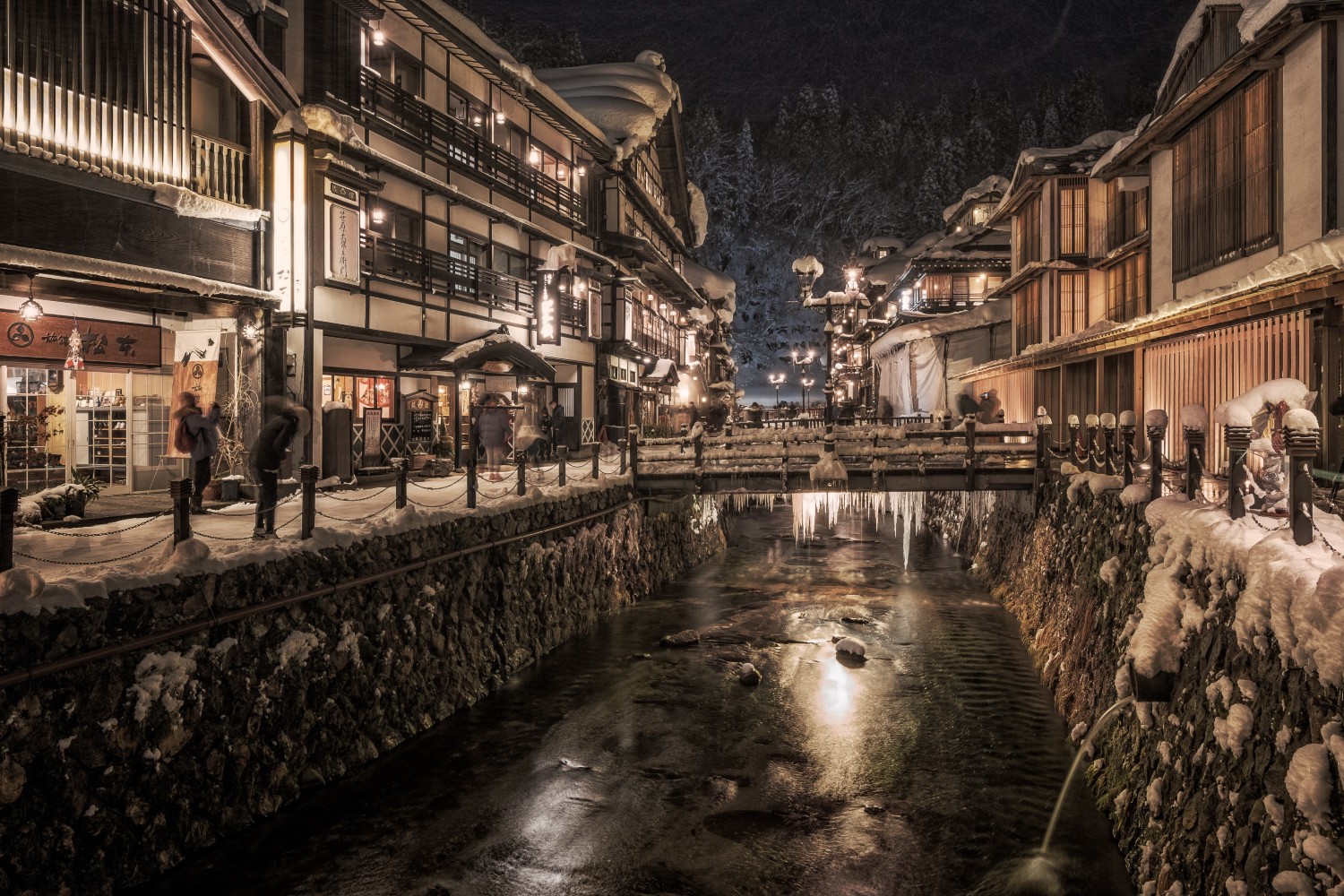
A small town born from a silver mine, Ginzan Onsen is today one of Japan’s most atmospheric hot spring destinations.
With its soft, powdery snow, Japan is renowned as one of the region’s top destinations for winter sports. But in this vast country of abundant nature, winter takes many forms, offering experiences that go far beyond skiing and snowboarding. If you’re looking for a break from the slopes, here are four remote destinations in Japan that promise to make your winter travels truly one of a kind.
Ginzan Onsen, Yamagata
Few pleasures compare to sinking into a steaming onsen in the dead of winter, and you can experience this soul-healing Japanese ritual in Ginzan Onsen.
Famous for its rows of historical ryokan flanking the Ginzan River, this hot spring destination is easily one of Japan’s most atmospheric onsen towns. Built centuries ago to serve a nearby silver mine, Ginzan Onsen’s remote setting nestled in the mountains of Yamagata Prefecture lends the town an air of mysticism. With traditional three- and four-storey inns featuring time-aged facades of white plaster walls and exposed woodwork, the scene wouldn’t feel out of place in a Studio Ghibli anime.
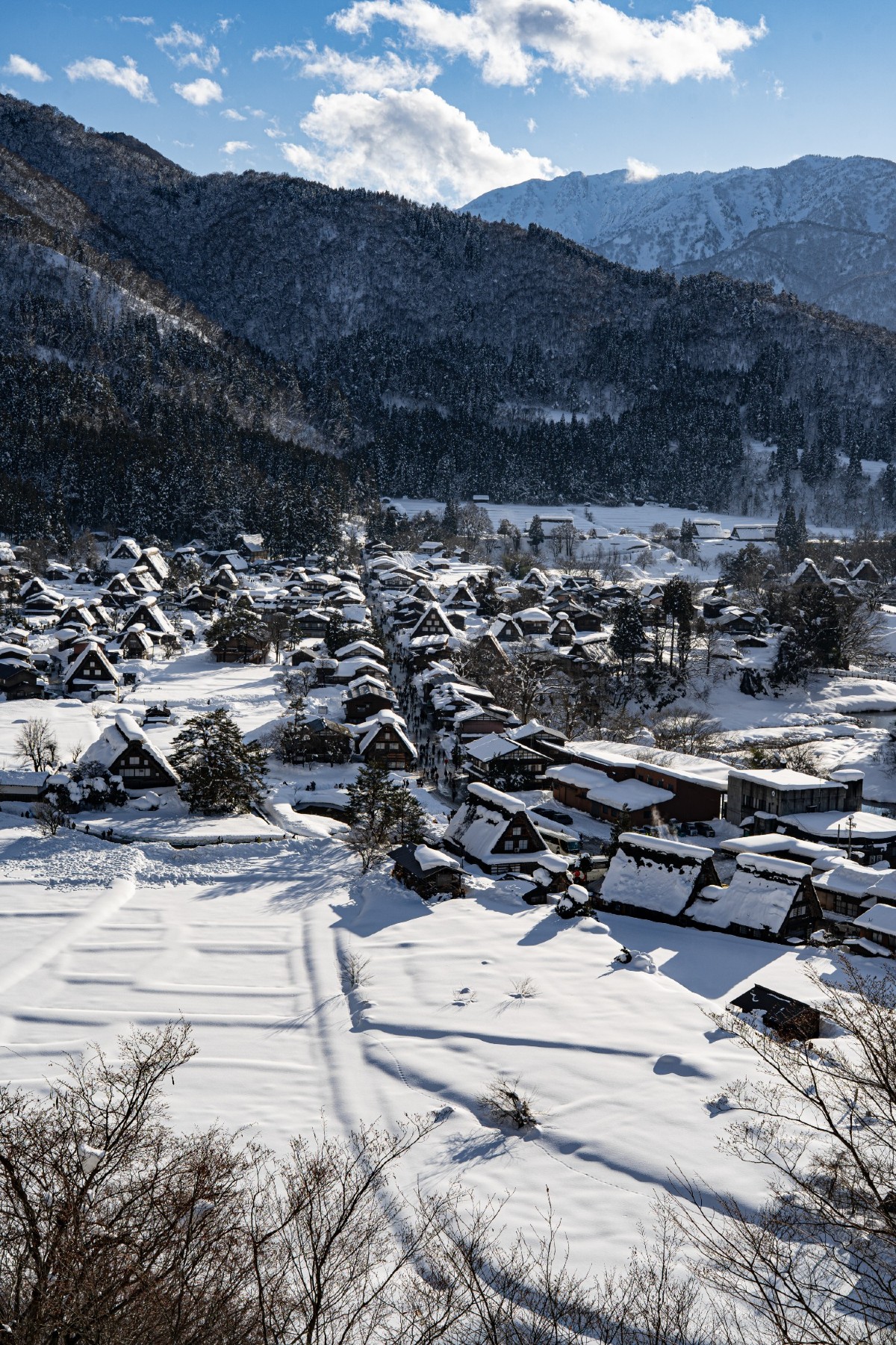
Ogimachi’s remote location amid lush nature.
 Ginzan Onsen is most breathtaking in winter, when snow blankets the rooftops and walkways. It looks even more surreal at night, when the ryokan, streets and bridges are all aglow. The main part of town, where the streets are old and narrow, is fully pedestrianised. In the forest behind the village lies a stunning 22-metre waterfall, as well as an entrance to the now-closed silver mine – both worth a quick visit.
In recent years, the town has introduced restrictions limiting nighttime visits to just overnight guests, ensuring the ambience remains serene when it’s at its most magical. While you can’t go wrong with any of the ryokan here – each featuring its own in-house hot spring bath – the Kengo Kuma – renovated Ginzan Onsen Fujiya Ryokan stands out for its refined, Zen elegance.
Shirakawago, Gifu
Cut off from the outside world by a fortress of mountains, Ogimachi Village in Shirakawago, Gifu Prefecture, feels like a land lost in time. Its unique farmhouses, with their steep thatched roofs, resemble real-life gingerbread houses – especially in winter, when the land and paddy fields lie blanketed in white and the roofs bear thick layers of snow.
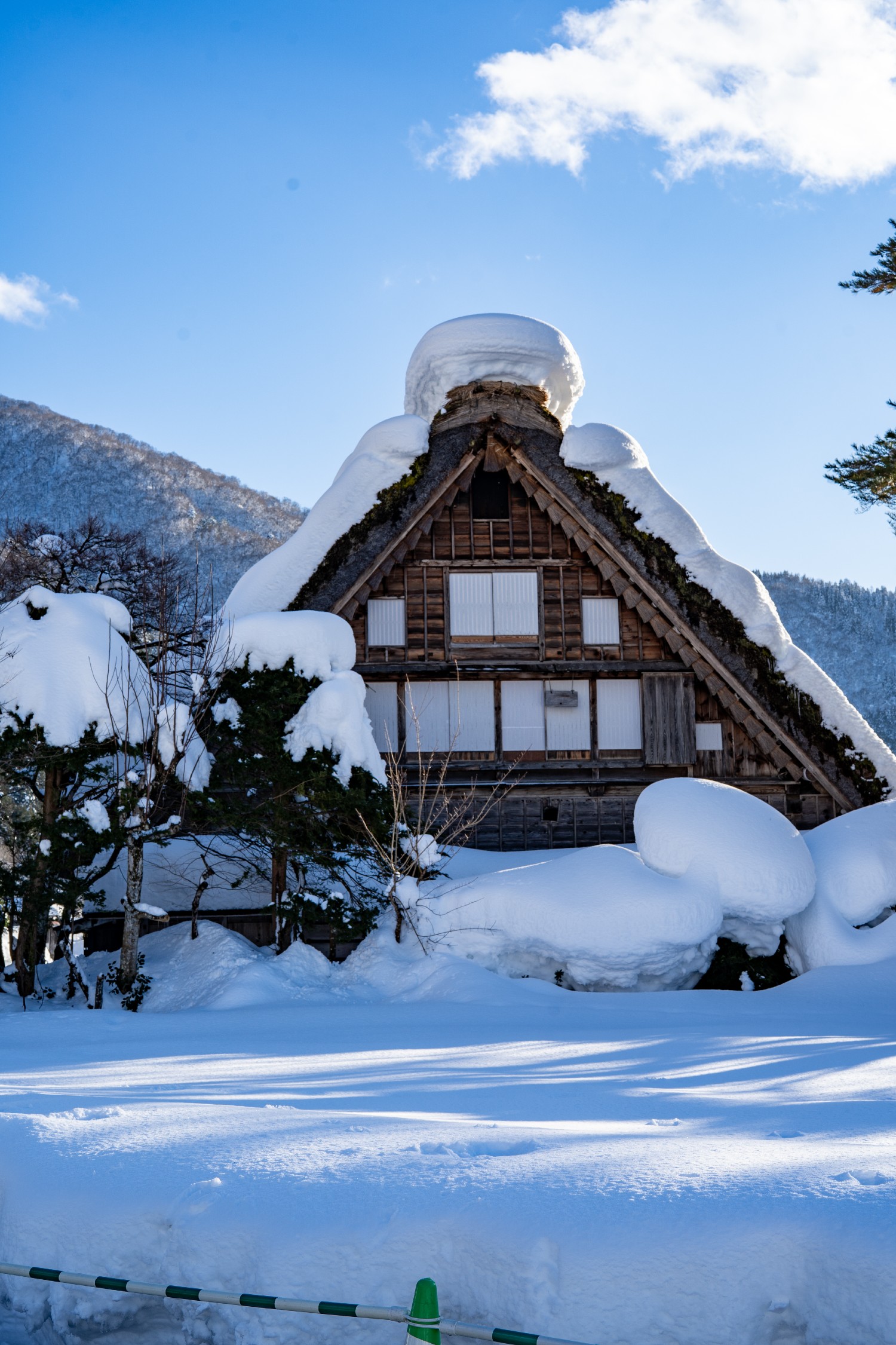
The traditional village of Ogimachi in Shirakawago.
This storybook setting is a UNESCO World Heritage Site, preserved for its traditional farmhouses known as gassho zukuri, literally ‘hands clasped in prayer’, a reference to the roofs’ distinctive shape. Built without nails, these architectural marvels are remarkably sturdy against the region’s heavy snowfall.
Many of the heritage farmhouses, some at least 250 years old, have been carefully restored as museums, offering a glimpse into life centuries past. Others are now homestays for visitors to experience simple rural living in Japan’s mountain heartland.
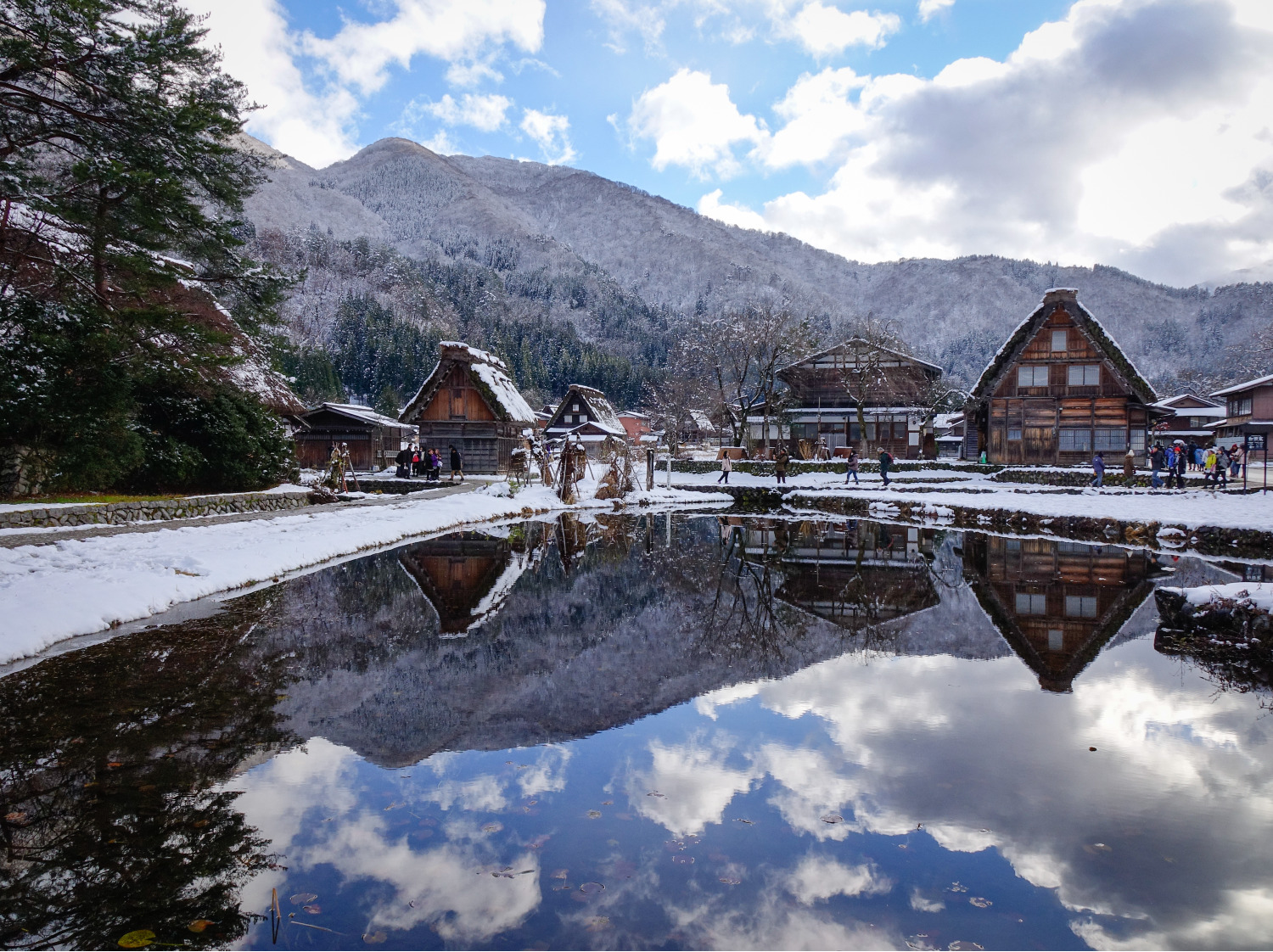
Shirakawago’s unique steep thatched roofs are designed to withstand the region’s heavy snowfall
Ogimachi is the largest and best-preserved of several similar villages in the Shirakawago region. It’s especially famous for its winter illuminations, when, for just a few nights in January and February, the entire village lights up after sundown. This magical scene beneath the stars ranks among Japan’s most breathtaking winter sights. Visits during these nights are limited, so the best way to secure a spot is by booking a stay in the village itself.
Togakushi Shrine, Nagano
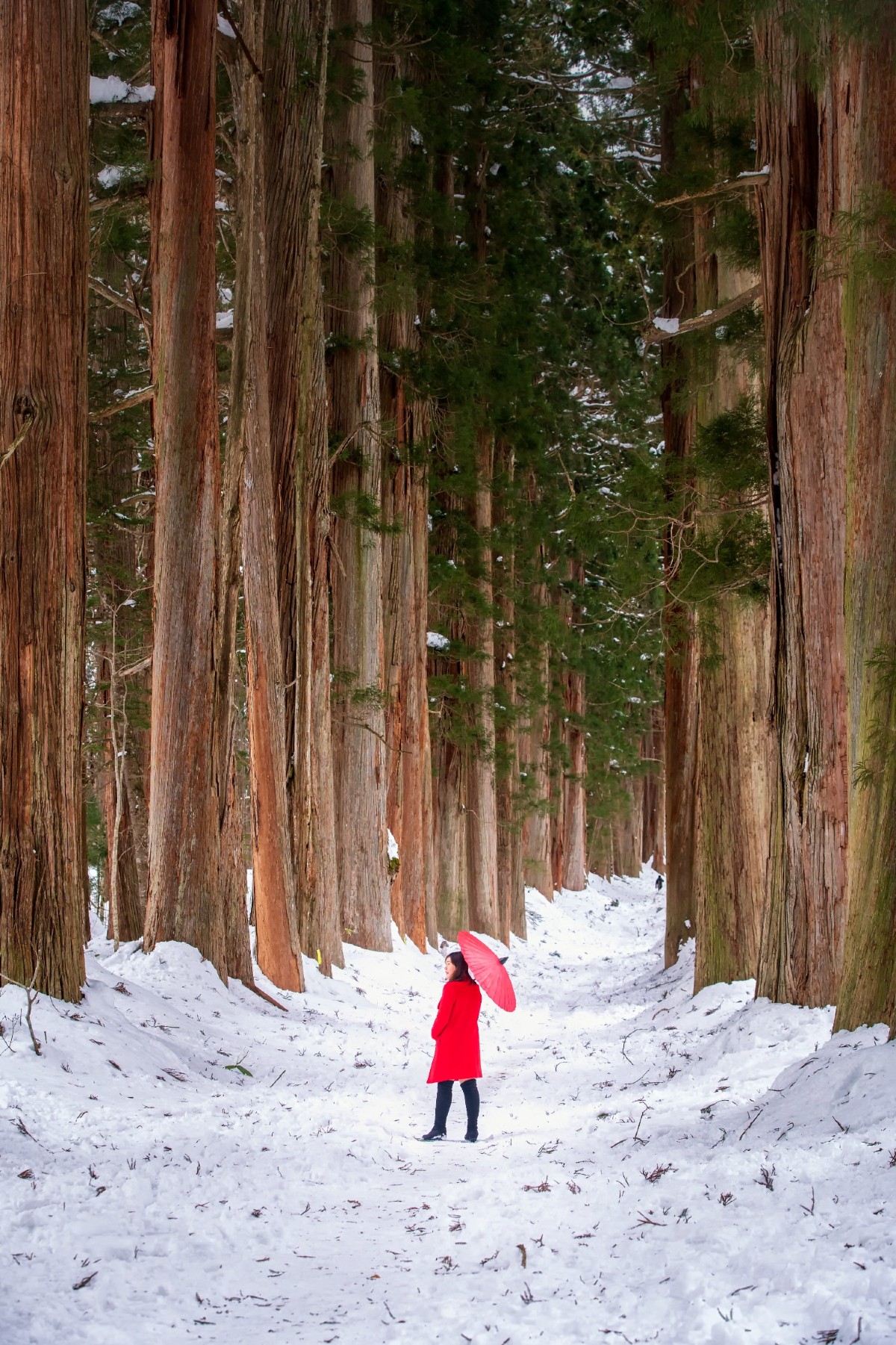
Japan’s most spectacular sights are tucked away in nature, and Togakushi Shrine is no exception. This sacred Shinto complex comprises three shrines – lower, middle and upper – scattered across the mountainous interior of Nagano Prefecture. The upper shrine, however, is the crown jewel, and the main reason avid travellers venture into this rural landscape.
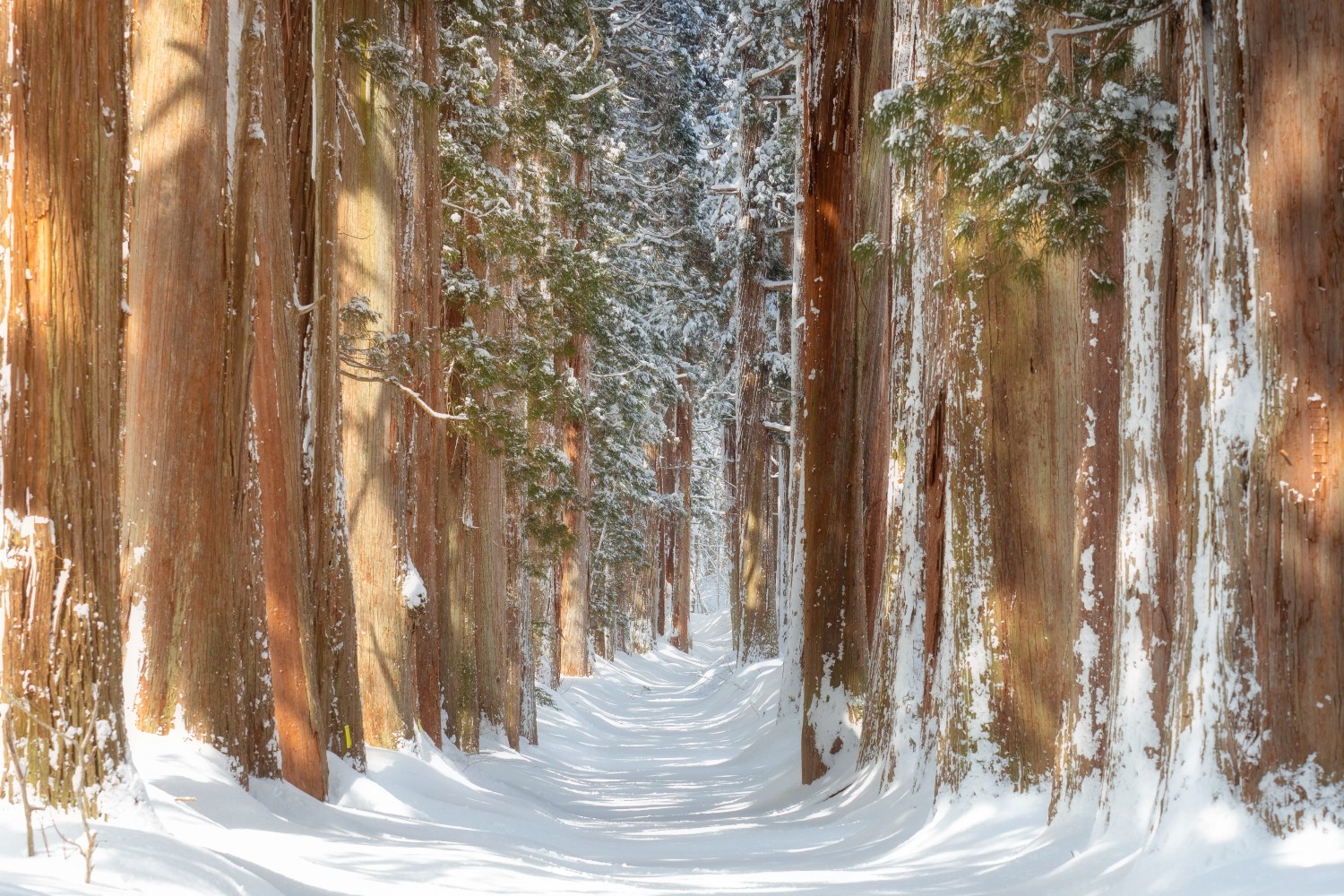
The breathtaking avenue of cedar trees at Togakushi Shrine
The approach to the shrine is a postcard of Japan’s pristine nature. After passing through the regal Zuishinmon Gate, whose roof is overgrown with plants, you enter an avenue lined with towering cedar trees. Words hardly do it justice, but walking beneath more than 200 of these giants, many around 400 years old, is a deeply spiritual experience.
In winter, the scenery becomes almost mythical. The ground lies thick with snow and everything else is dusted in white. The atmosphere is hushed, and the power of nature feels palpable in this sacred place. Walking the kilometre-long avenue towards the shrine, dwarfed by these ancient trees and surrounded by stillness, becomes a meditation of sorts. It’s a pilgrimage you will remember for life.
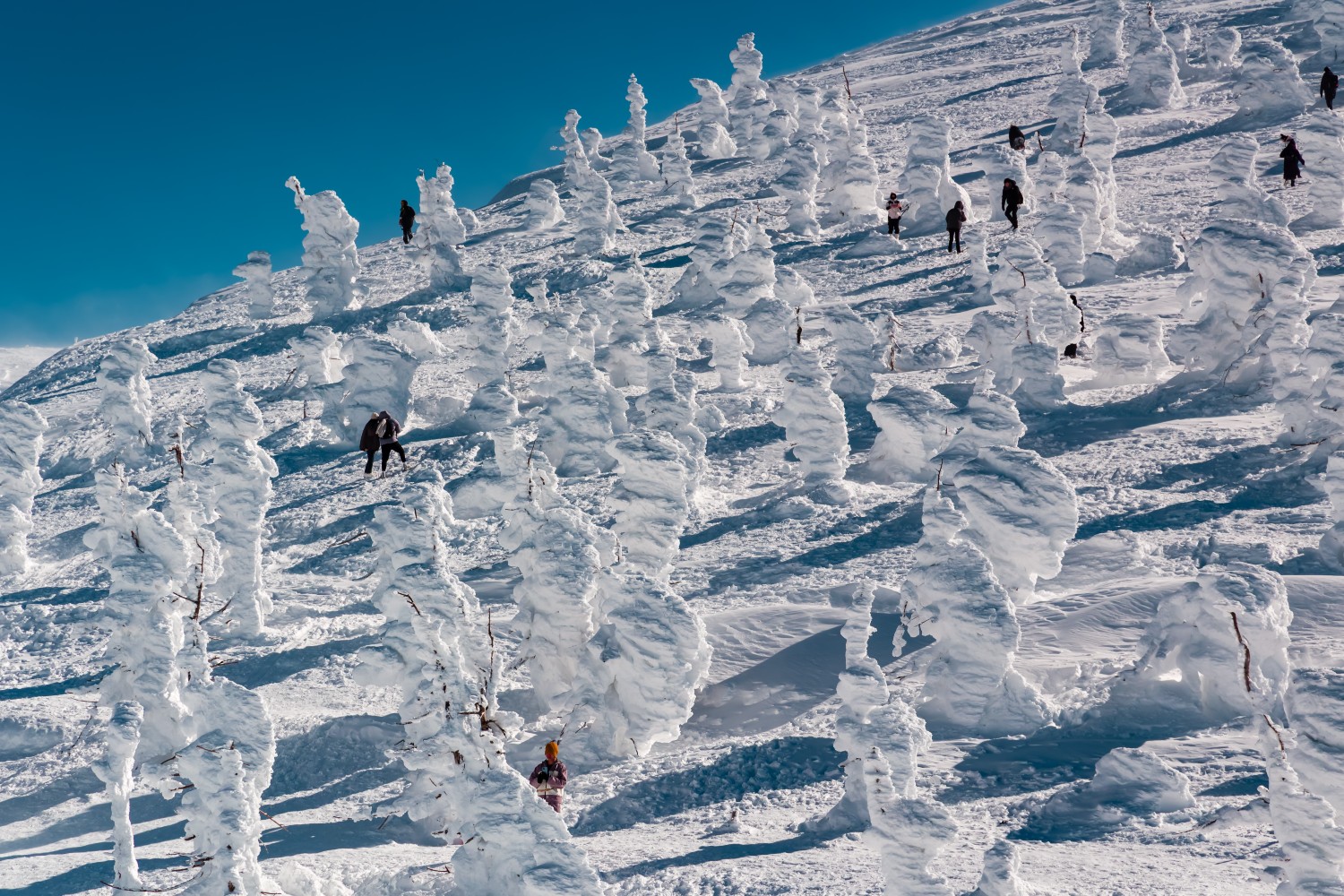 Walk among towering ‘snow monsters’ in Zao Onsen Ski Resort.
Zao Snow Monsters, Yamagata
One of Japan’s oldest ski and onsen resorts, Zao in Yamagata Prefecture appeals to travellers seeking a different kind of winter scenery while still enjoying a bit of snow action. With a variety of runs supported by numerous ropeways and lifts, Zao Onsen Ski Resort caters to snowboarders and skiers of all experience levels.
What draws many non-skiers to Zao, however, is the otherworldly natural phenomenon known as the Zao Snow Monsters. These looming ice-encrusted trees appear near the summit and reach their most spectacular form between February and March. They are created by a perfect combination of high altitude, icy temperatures and strong winds – when layers of frozen water droplets and snow cling to the trees, sculpting them into eerie, creature-like shapes.
The best way to witness these captivating formations is on a guided hike. Even better, on selected nights during the height of winter, the Snow Monsters are illuminated. The lights cast long, dramatic shadows, making the Monsters appear even more fantastical. For this after-dark spectacle, you can hop on a snowmobile and glide among them before heading back down the mountain to the warmth and comfort of your ryokan.