Across Vietnam, Spanish gastronomy is finding a new sense of place. From intimate tapas bars and sophisticated dining rooms to coastal destinations and gourmet shelves, Restaurants from Spain and Colmados from Spain reveal a culinary culture shaped by provenance, craftsmanship, generosity and, most beautifully, the simple pleasure of sharing.
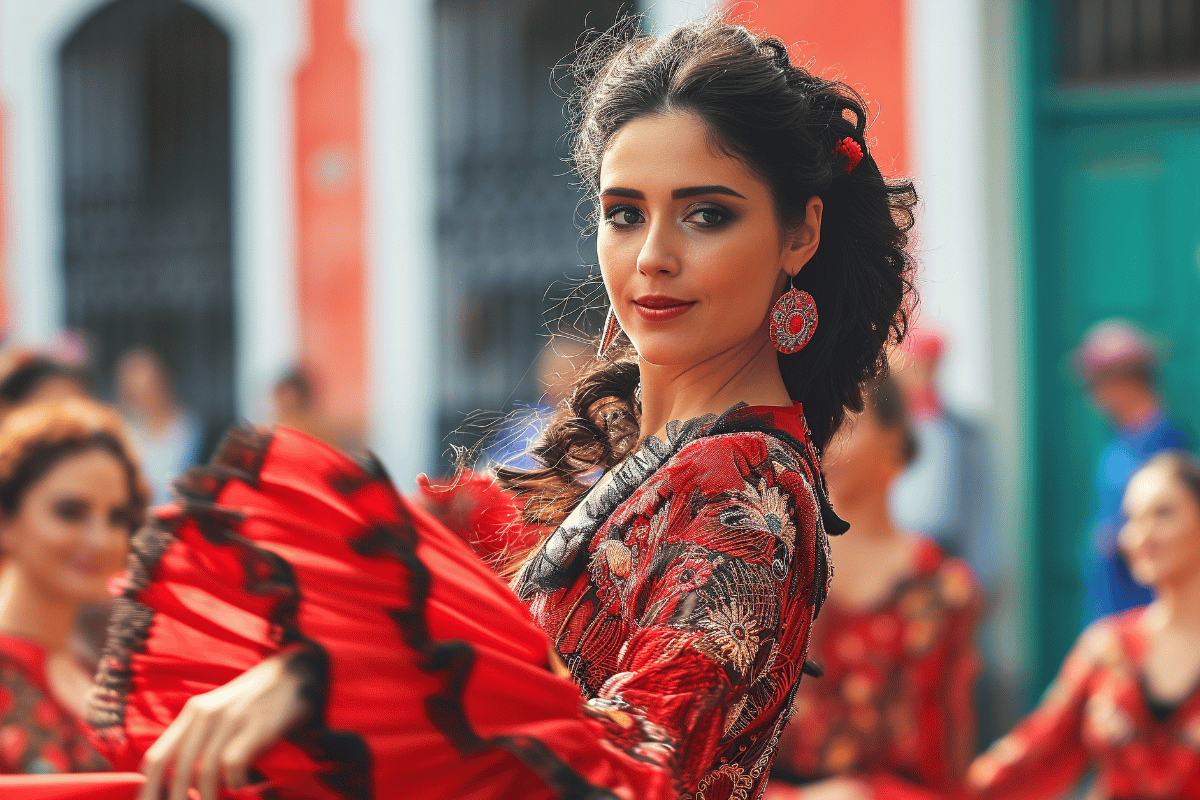
THE DISTANCE BETWEEN TWO TABLES
There is something wonderfully natural about the way Spanish food has found a home in Vietnam. At first glance, the two cuisines could hardly be more different. Spain evokes olive groves, Atlantic fishing villages, Iberian pastures and Mediterranean afternoons; Vietnam, rice fields, tropical gardens, bustling markets and a coastline stretching more than 3,000 kilometres.
Yet sit down at the table and the distance between them suddenly feels smaller. Both cultures understand that eating is rarely a solitary affair. Dishes arrive to be shared. The centre of the table belongs to everyone. Lunch can drift into afternoon and dinner continue long after the last plate has disappeared. Food creates the occasion, but conversation, generosity and companionship are what make us stay.
.png)
Perhaps this explains why Spanish gastronomy feels increasingly at ease in Vietnam. Across Hanoi, Ho Chi Minh City, Hoi An, Da Nang, Nha Trang and Phu Quoc, diners are discovering jamón ibérico sliced slowly by hand, prawns sizzling in garlic and olive oil, the ritual of tapas, carefully prepared paella and the remarkable diversity of Spanish wine.
More interestingly, the relationship is beginning to work both ways. Spanish chefs and restaurateurs are looking towards Vietnam itself its seafood, produce, climate and dining culture allowing two culinary identities to meet without asking either to surrender its own.
SPAIN: A COUNTRY OF MANY FLAVOURS
To understand Spanish gastronomy in Vietnam, one must first understand that there is no single Spanish cuisine. Spain is a collection of landscapes, and each seems to have found its way onto the plate.
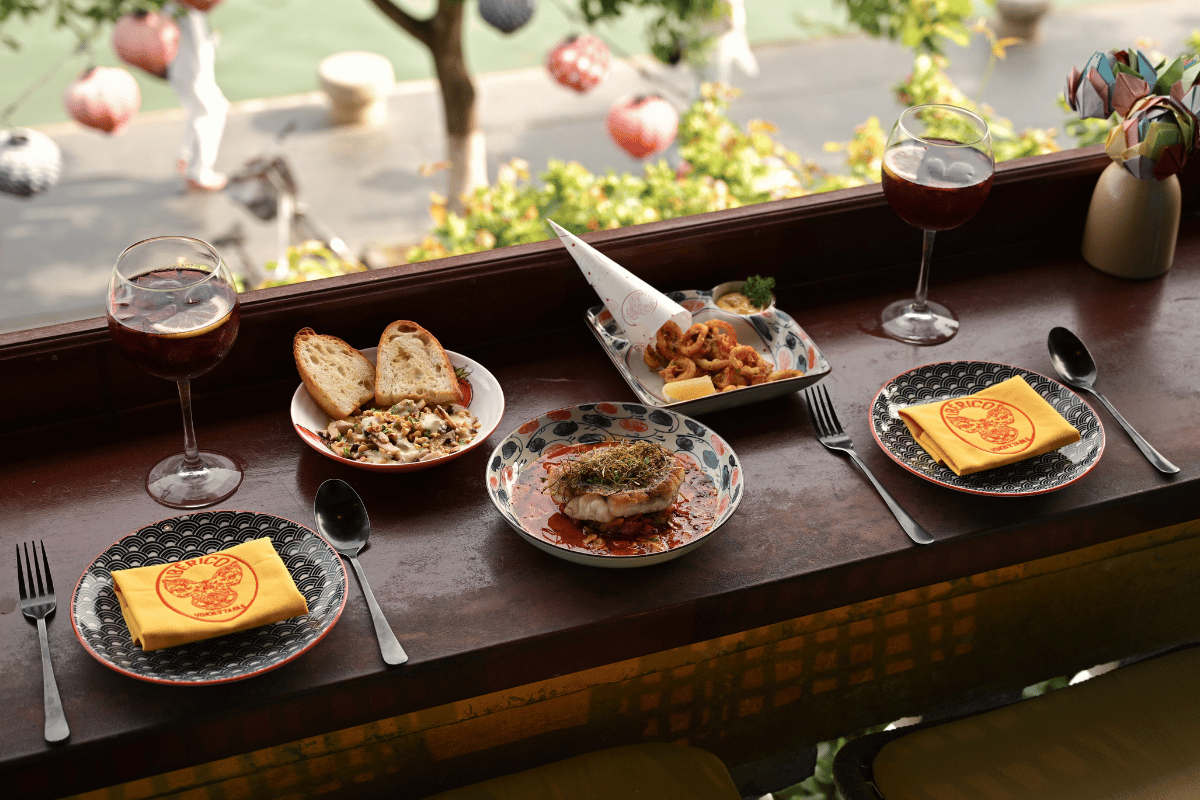
Dishes served at Ibérico Tapas Y Vino · Hoi An
Galicia faces the Atlantic and cooks accordingly, with fish, shellfish and octopus at the heart of its table. The Basque Country elevates small bites into the celebrated culture of pintxos. Valencia is inseparable from rice and paella, while Catalonia draws equally from mountains and Mediterranean shores. Andalusia gives us gazpacho, salmorejo, fried fish and the singular world of sherry; Extremadura and Spain’s western landscapes evoke jamón ibérico and pimentón, while inland, colder seasons call for legumes, aged cheeses and slow-roasted meats.
Wine tells another geography: crisp Atlantic whites, structured reds, elegant rosés, sherry and sparkling cava, each carrying the personality of its region.
Spain’s pantry is equally evocative. Extra virgin olive oils made from different olive varieties, saffron, smoked paprika, olives, protected-origin cheeses, cured meats, anchovies, tuna, mussels and preserved seafood all speak of provenance. Behind each is a landscape, a climate, a producer and often generations of accumulated knowledge.
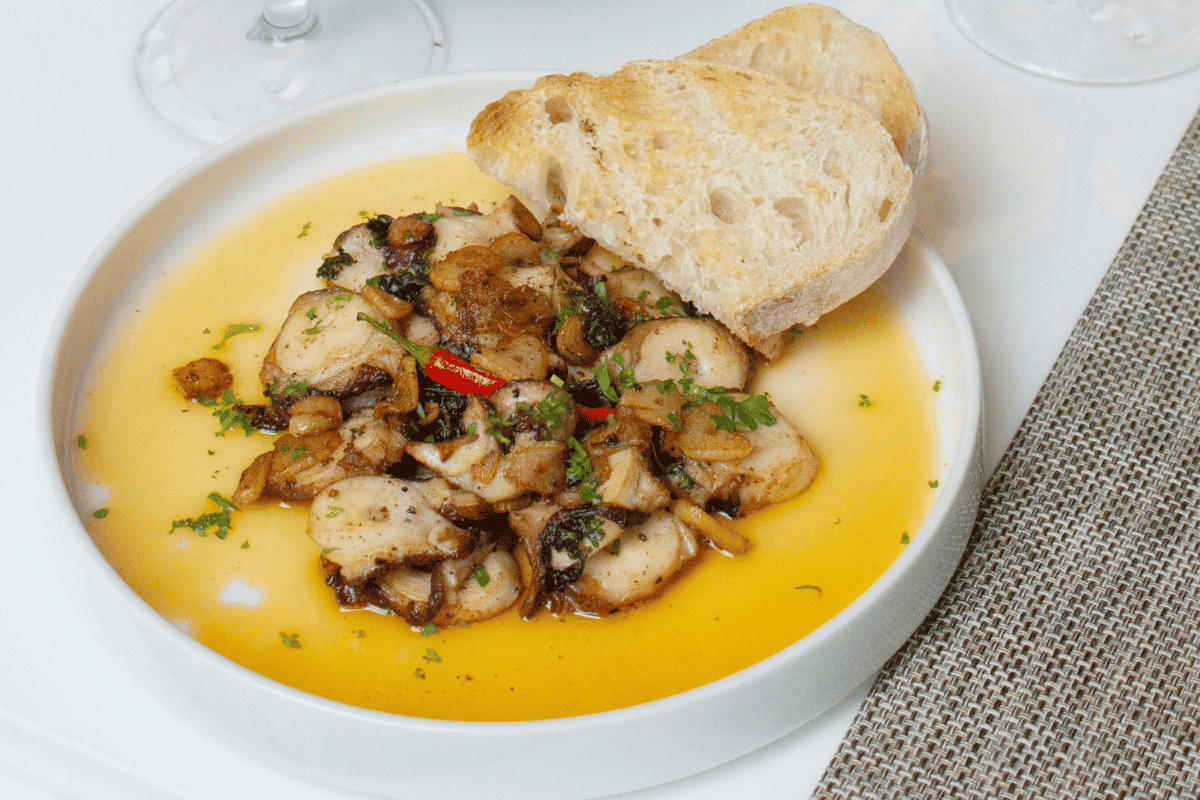
Sangria at Lola Tapería & Wine Bar · Nha Trang
It is an appreciation of origin that resonates increasingly in Vietnam, where diners are becoming more curious about ingredients and chefs more confident in the individuality of local produce. Authenticity, after all, does not have to mean reproducing Spain unchanged. It can mean preserving the soul of a cuisine while allowing it to respond intelligently to where it has arrived.
RESTAURANTS FROM SPAIN: AUTHENTICITY WITH A SENSE OF PLACE
This is where Restaurants from Spain becomes significant. Promoted internationally by ICEX Spain Trade and Investment, the certification recognises restaurants outside Spain that demonstrate a genuine commitment to Spanish gastronomy through ingredients, recipes, wines, culinary knowledge and the culture surrounding the table.
It looks beyond a Spanish name or a menu of familiar dishes. A certified restaurant may be traditional or contemporary, relaxed or sophisticated; what matters is an understanding of Spanish culinary culture and respect for its origins.
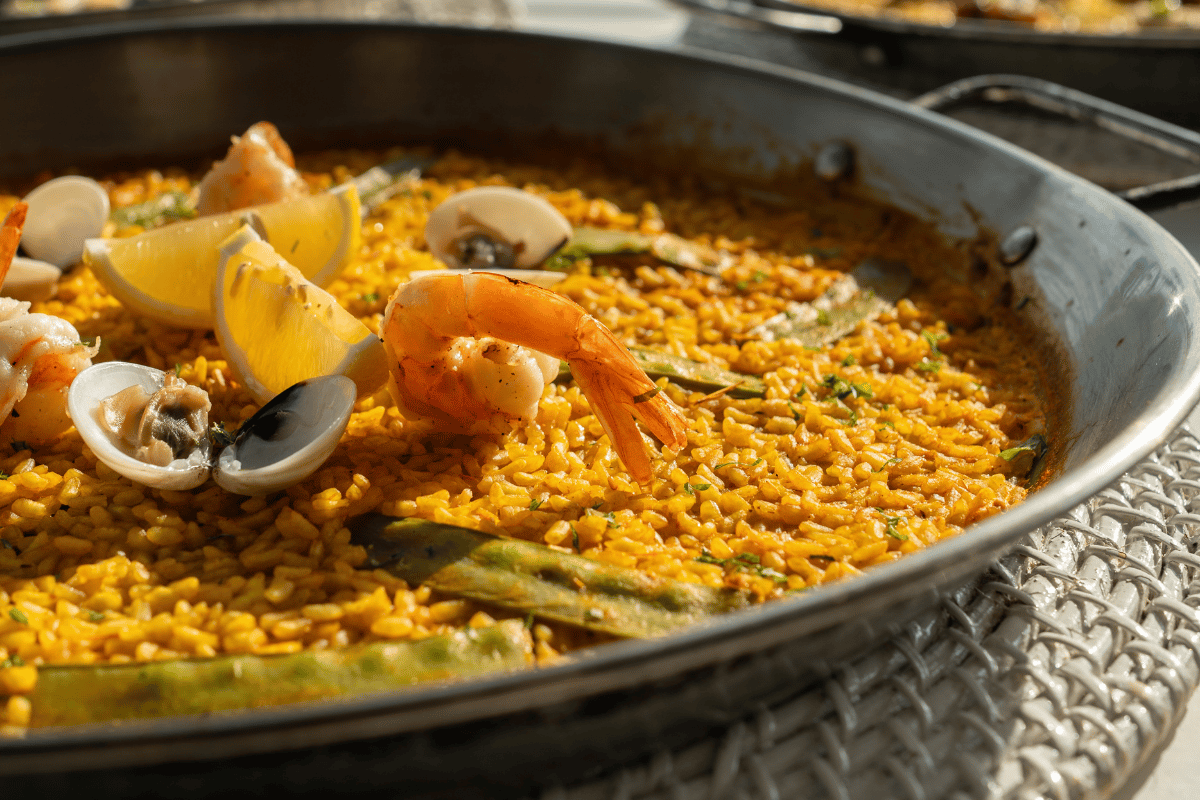
Fresh seafood paella at Olá Beach Club by Sol Meliá · Phu Quoc
In Vietnam, eleven certified establishments now create a gastronomic trail from Hanoi to Phu Quoc. Together, they reveal something much more interesting than a directory of Spanish restaurants: they show how one culinary culture can acquire different personalities as it travels through another country.
FROM NORTH TO SOUTH: A SPANISH JOURNEY THROUGH VIETNAM
Olé Tapas & Wine · Hanoi
In Hanoi’s Tay Ho neighbourhood, Olé gives the capital its own address for the Spanish ritual of tapas and wine. Here, a warm, communal Mediterranean style of eating meets Hanoi’s distinctive dining rhythm. One plate becomes several, a bottle opens conversation, and dinner is assembled gradually rather than dictated by courses. That informality is part of tapas culture’s enduring charm. There is freedom in ordering as the evening progresses, sharing everything and discovering the table together. Against Tay Ho’s cosmopolitan backdrop, Olé offers a style of Spanish dining that feels less like ceremony and more like invitation generous, sociable and naturally suited to a long evening with friends.
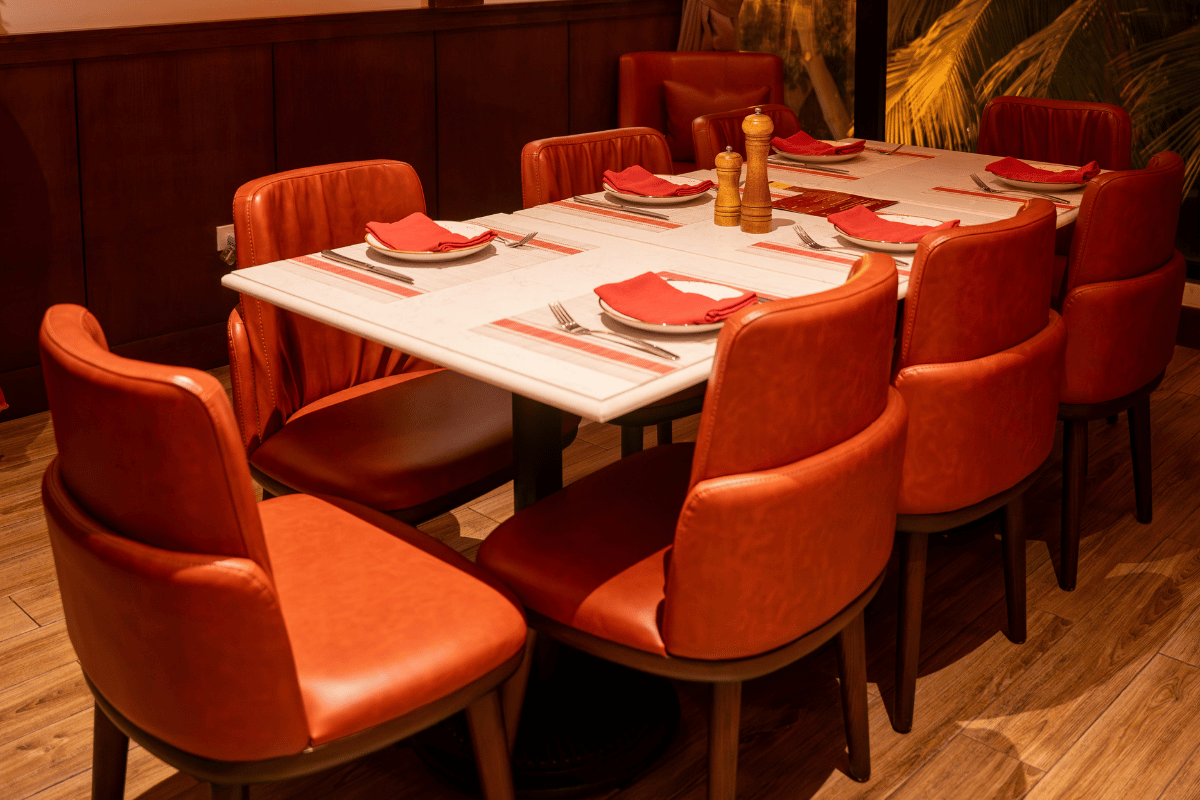
Inside Olé Tapas & Wine · Hanoi
Ibérico Tapas Y Vino · Hoi An
IBÉRICO’s journey to Hoi An places its familiar Spanish repertoire against an entirely different Vietnamese backdrop. The riverside setting introduces another dimension to its philosophy of unhurried sharing: jamón, tapas, paella and Spanish wine enjoyed in a city shaped by centuries of cultural exchange. There is a certain poetry in that meeting. Hoi An has always absorbed influences from elsewhere and made them part of its own story. Spanish conviviality therefore feels less like an arrival than another conversation taking place beside the river. As evening settles over the old town, the pleasure is wonderfully uncomplicated: good ingredients, plates passed between friends and enough time to let dinner unfold at its own pace.
My Casa · Da Nang
Moments from My Khe Beach, My Casa is deliberately less interested in rigid culinary borders. Spanish and Italian traditions share the table in a Mediterranean kitchen of tapas, handmade pasta, sourdough flatbreads and paella. Its personality emerges in dishes such as Chorizo a la Saigon Cider, where an Asturias-inspired idea receives a playful Vietnamese accent, alongside tortilla española, garlic prawns, Manchego with membrillo and seafood paella. The European-style house and easy-going atmosphere reinforce the restaurant’s name. My Casa approaches Mediterranean food not as something formal or distant, but through the warmth of home — generous plates, familiar flavours and the pleasure of eating without hurry.
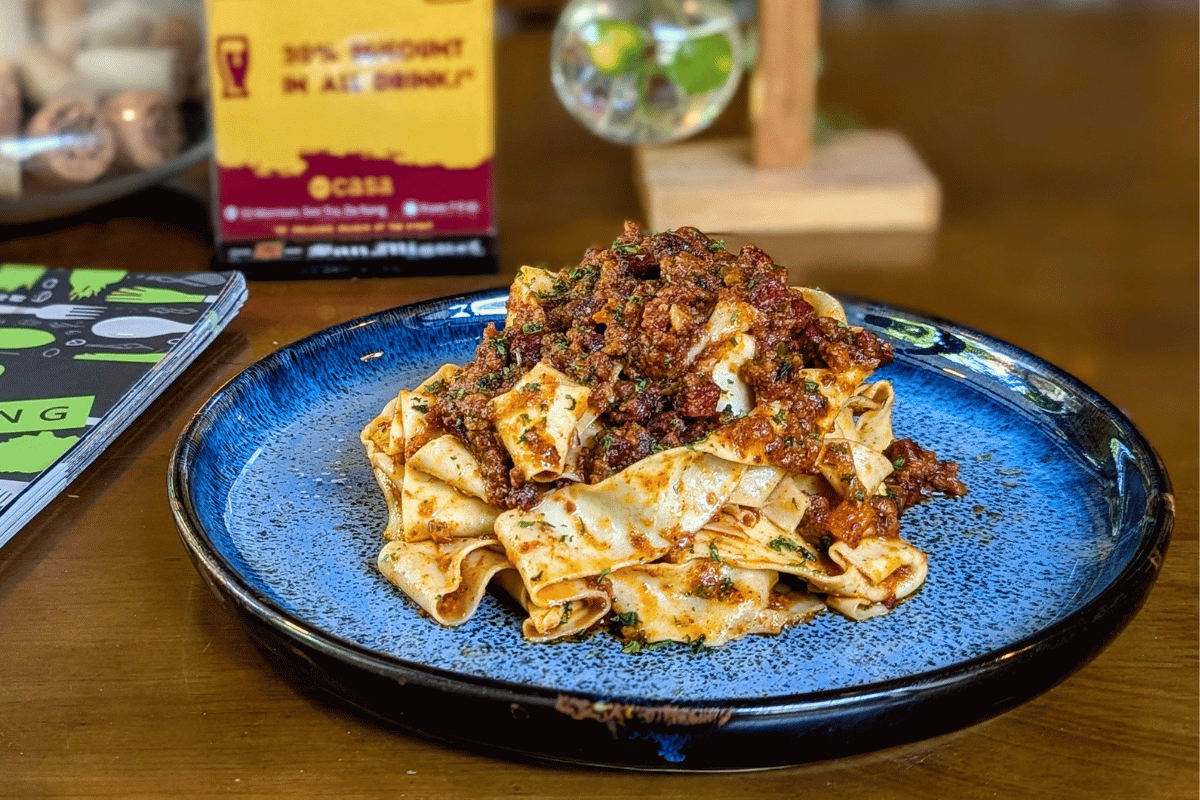
Chorizo Bolognese at My Casa · Da Nang
Lola Tapería & Wine Bar · Nha Trang
At Lola, Spain meets Vietnam most beautifully through the sea. Its Pulpo a la Gallega begins with octopus from Nha Trang waters, prepared with potatoes, Spanish extra virgin olive oil and smoked paprika in tribute to Galicia. It is a small detail that says much about the restaurant’s philosophy: Spanish tradition need not be frozen in place to remain authentic. Local seafood can become part of the story when handled with understanding and respect. Jamón, sangria, wine and the Spanish ritual of La Hora del Vermut add to the tapería spirit, while Nha Trang supplies its own essential ingredient that particular golden light of a coastal city approaching evening.
Hispania Nha Trang · Nha Trang
At Villa Le Corail, A Gran Meliá Hotel, Hispania represents a more refined expression of Spain in Vietnam. As the first Hispania restaurant in Asia, it carries the culinary vision of Michelinstarred Spanish chef Marcos Morán, whose approach places Spanish heritage in dialogue with the exceptional produce of the Vietnamese coast. Here, local grouper can share the menu with Segovian-style suckling pig, Ibérico ham croquetas and rice preparations rooted in Spain. The contrast feels natural rather than orchestrated: Spanish technique provides the foundation, while the sea beyond the restaurant gives the cuisine a distinctly Nha Trang sense of place. This is also where the idea of luxury becomes more nuanced. It is not simply found in a sophisticated dining room or an accomplished plate, but in the confidence to allow an ingredient to speak clearly. Hispania does not need to disguise its Spanish identity to belong in Vietnam; instead, it lets the Vietnamese coast become part of that identity.
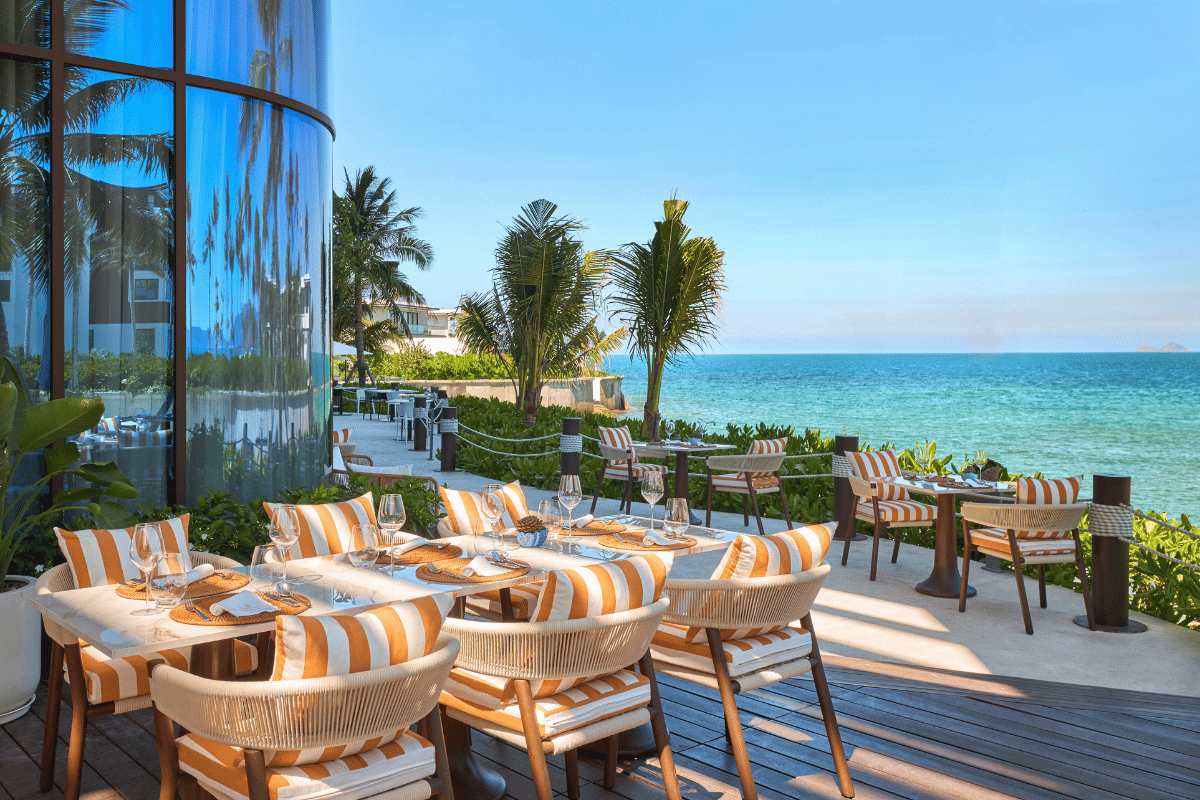
Terrace views at Hispania Nha Trang · Nha Trang
Olá Beach Club by Sol Meliá · Phu Quoc
On Phu Quoc, Spain arrives in perhaps its most naturally Mediterranean setting: beside the sea. Olá Beach Club by SOL Meliá translates Spanish dining into the relaxed language of an island resort, where food, drinks, sunshine and the rhythm of the beach become part of the same occasion. Here, Spanish gastronomy steps outside the traditional dining room. The pleasure is more instinctive: a table near the water, dishes intended for sharing, something cold in the glass and an afternoon allowed to become evening. Against Phu Quoc’s tropical landscape, the Mediterranean philosophy of enjoying food slowly and socially requires very little translation. Different seas, perhaps, but a surprisingly familiar way of living beside them.
Sabor Restaurant & Bar · Ho Chi Minh City
Sabor began with a memory of Barcelona: animated tapas bars, after-work conversations and that particular energy created when small plates and wine keep arriving at the table. In Saigon, the inspiration unfolds across a bar, intimate dining room and rooftop, with a menu moving through Spanish and broader Mediterranean influences. More than anything, Sabor understands tapas as a social ritual rather than simply a style of food. A table is built progressively, one dish followed by another, and the evening takes shape through conversation as much as cuisine. In a city that has always understood the pleasures of eating late and eating together, that Barcelona spirit finds an easy rhythm of its own.
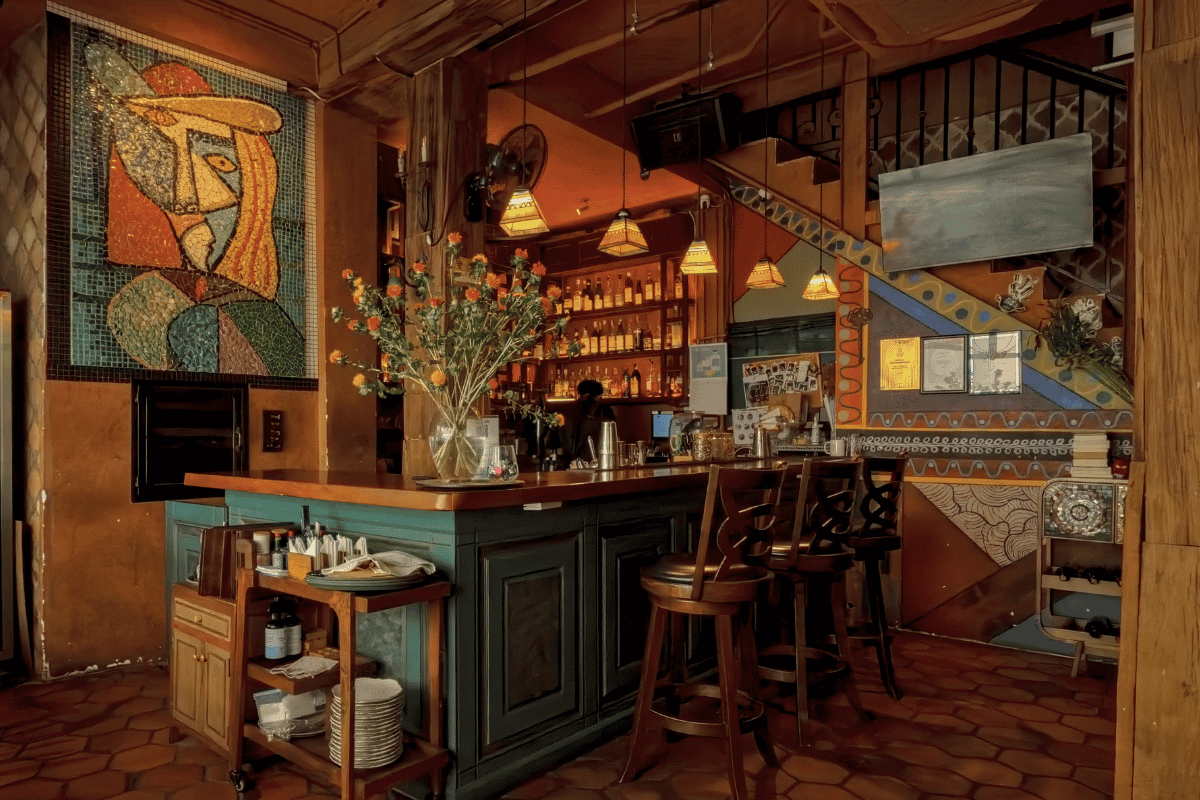
A corner of Sabor Restaurant & Bar · Ho Chi Minh City
Tomatito Saigon · Ho Chi Minh City
Tomatito has never been interested in being quiet. Inspired by the irreverence and energy of Spanish bars of the 1980s, its playful “Sexy Tapas Bar” identity brings colour, music, cocktails and sharing plates together in the heart of Ho Chi Minh City. There is theatre here, certainly, but beneath the exuberance lies something authentically Spanish: the belief that eating should be convivial, spontaneous and filled with pleasure. Dinner does not necessarily need to behave like dinner. It can begin with tapas, move into cocktails, become louder as the evening progresses and eventually feel more like a celebration. In energetic Saigon, Tomatito has found exactly the right stage.
Ibérico Tapas Y Vino Thi Sach · Ho Chi Minh City
At IBÉRICO’s Thi Sach address, the Spanish table begins with ingredients that require little embellishment. Hand-carved Jamón Ibérico de Bellota, cheeses and charcuterie sit alongside gambas al ajillo, croquetas and paella, accompanied by a wine selection firmly rooted in Spain. The pleasure lies in the rhythm. Dishes arrive gradually, everyone tastes everything, another bottle is opened and dinner is allowed to unfold without hurry. It is a style of eating that places quality ingredients at the centre while resisting unnecessary formality. In downtown Saigon, IBÉRICO offers something increasingly precious: permission to slow down, share generously and let the table decide how long the evening should last.
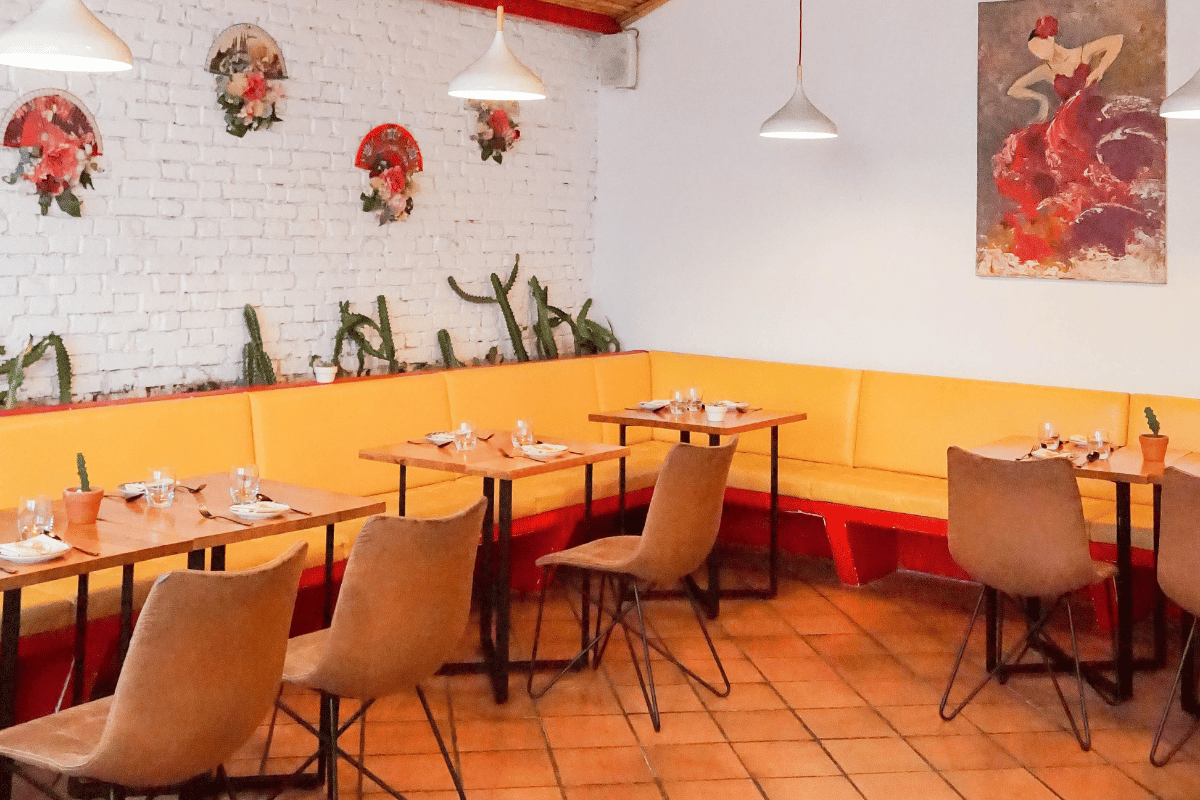
The cozy space at Ibérico Tapas Y Vino Thi Sach · HCMC
Ibérico Tapas Y Vino Thao Dien · Ho Chi Minh City
The Thảo Điền chapter of IBÉRICO brings the same devotion to Spanish ingredients into a more residential, neighbourhood setting. Indoor and outdoor spaces lend themselves naturally to long evenings over Iberian ham, Manchego, Idiazábal, garlic prawns, paella and Spanish wine. The setting changes the mood. Here, the experience feels particularly relaxed — less destination dining than the pleasure of having a favourite Spanish table nearby. Cosmopolitan yet intimate, it suits a neighbourhood where international influences have become part of everyday life. The luxury is not ostentatious; it is simply having good produce, good wine and enough time to enjoy both.
Casa María · Ho Chi Minh City
Casa María offers a more intimate expression of Spain through a family-run kitchen and a philosophy centred on food prepared in-house. Its most interesting dishes reveal how Spanish memory can meet Vietnamese produce without losing its identity. Local fish, for example, can find itself in conversation with the flavours of southern Spain, allowing the ingredient to remain recognisably Vietnamese while the culinary language comes from elsewhere. This exchange feels personal rather than calculated. Casa María’s appeal lies precisely in that sense of intimacy the idea that Spanish cuisine in Vietnam can be rooted in family, memory and craftsmanship rather than spectacle.
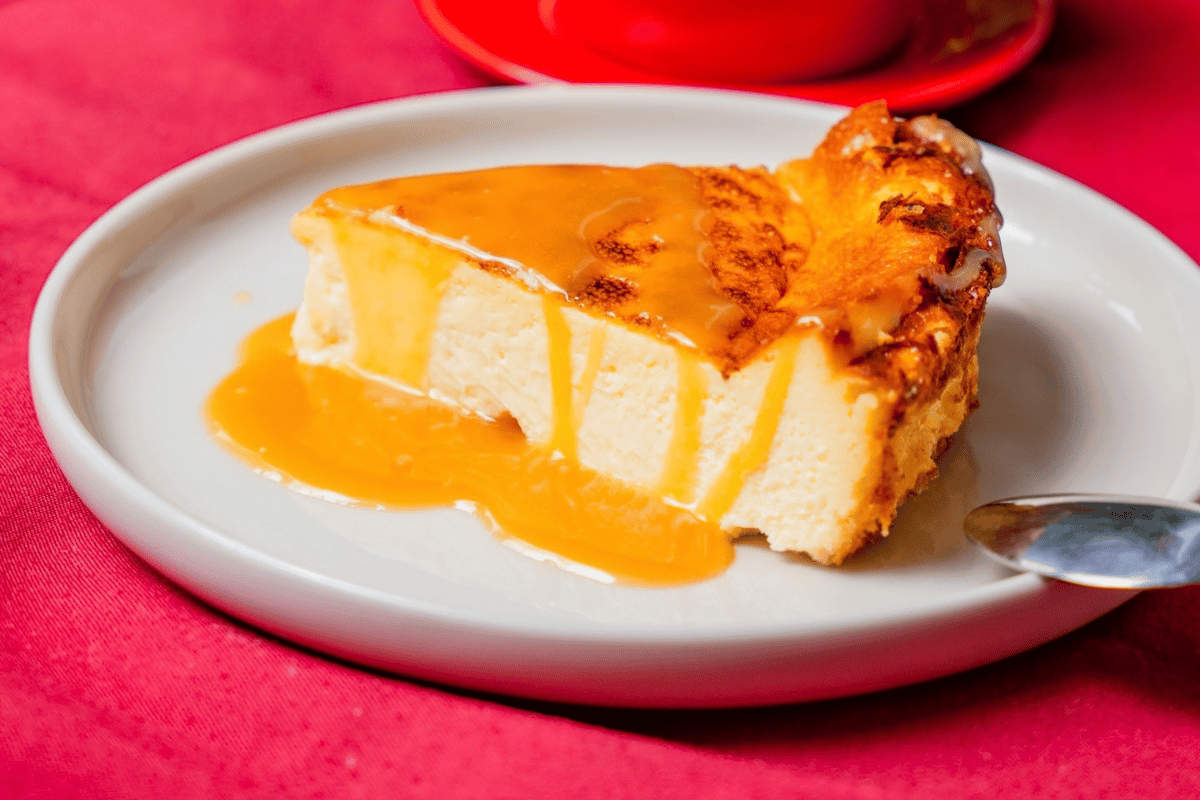
Dessert at Casa María · Ho Chi Minh City
Taken together, these eleven restaurants show how far Spanish gastronomy in Vietnam has travelled beyond the familiar shorthand of tapas and paella. Each city changes the mood. Each kitchen finds a different point of connection. What emerges is not Spain copied in Vietnam. It is Spain in conversation with Vietnam.
FROM THE RESTAURANT TO THE HOME TABLE
The journey does not end when dinner does. If Restaurants from Spain introduces the country through the restaurant table, Colmados from Spain brings us closer to the ingredients themselves. The word colmado evokes the traditional Spanish neighbourhood grocery — shelves filled with olive oil, wine, cheeses, charcuterie, preserved seafood and the everyday treasures of the Spanish pantry.
In Vietnam, four TheARTERI establishments are certified as Colmados from Spain: TheARTERI Saigon · TheARTERI Thao Dien · TheARTERI Tan Binh · TheARTERI Hanoi
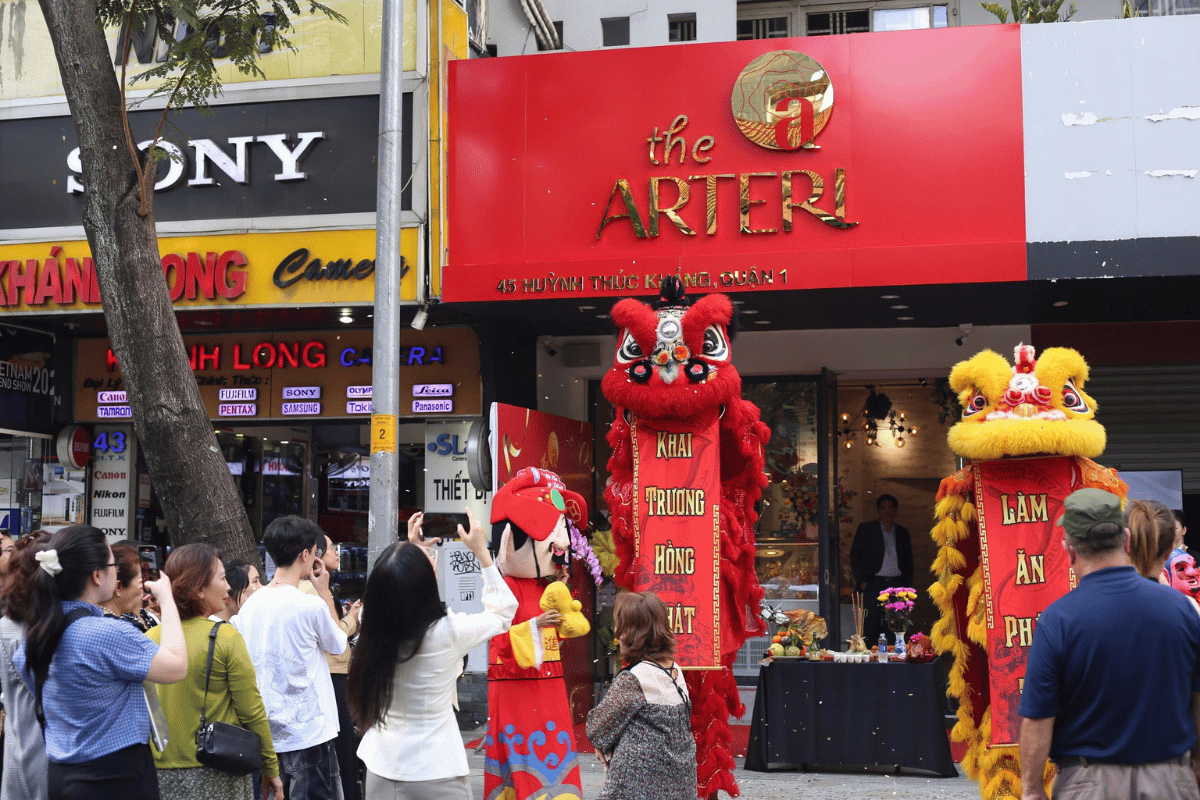
Grand opening at TheARTERI Saigon
Here, discovery moves naturally from restaurant to home. The wine first enjoyed over dinner can be opened again with friends. A beautiful olive oil finds its way into the kitchen. Manchego, jamón ibérico, olives and preserved seafood can turn an ordinary evening into an impromptu Spanish aperitivo.
It also allows a deeper understanding of Spanish food culture. The restaurant may introduce the flavour, but the pantry reveals the ingredient: the difference between olive oils, the character of a particular cheese, the pleasure of good preserved seafood or the extraordinary complexity hidden within something as apparently simple as cured ham.
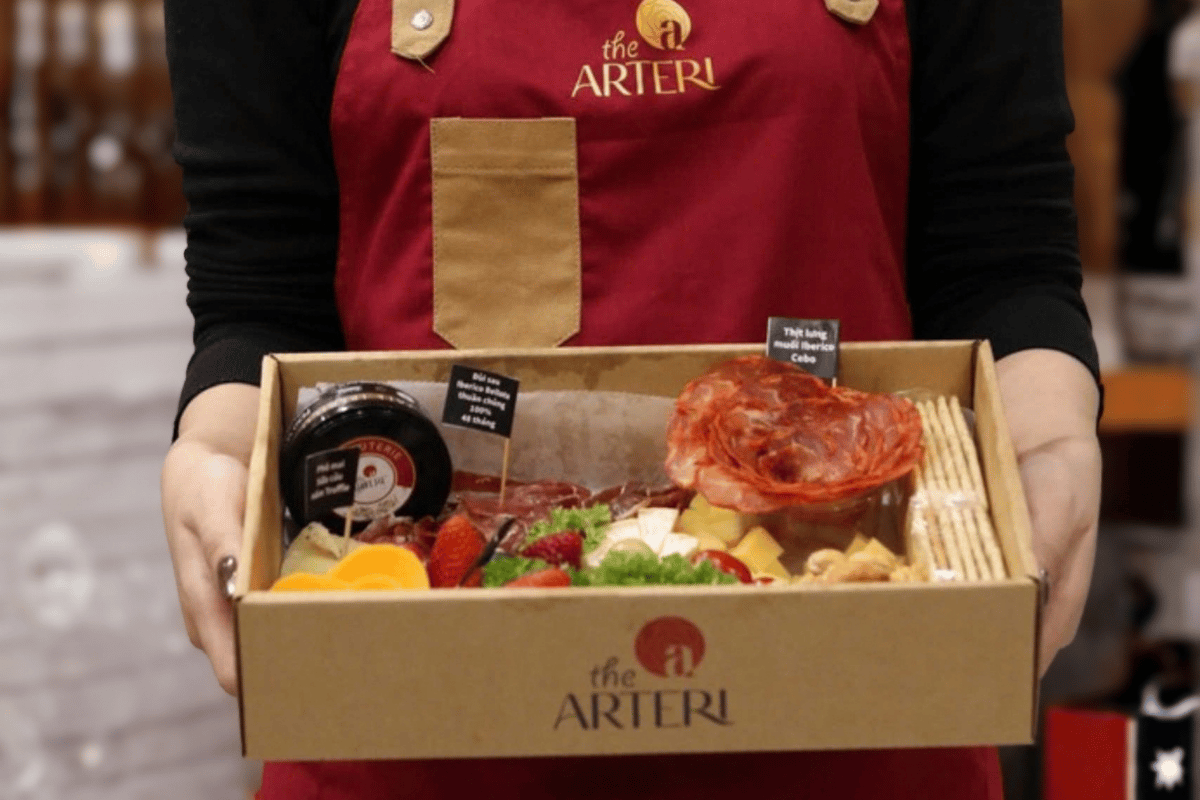
Spanish pantry essentials at TheARTERI
There is a certain luxury in this simplicity. A great ingredient requires very little theatre: good olive oil over tomatoes, jamón sliced thinly, cheese and bread, a bottle of wine shared among friends. Spanish gastronomy has always understood that luxury does not necessarily mean excess. Sometimes, it means knowing precisely when to leave an ingredient alone.
WHEN TWO FOOD CULTURES FIND EACH OTHER
Perhaps the most interesting chapter of Spanish gastronomy in Vietnam is only beginning. Vietnamese diners are more travelled, more knowledgeable and increasingly curious about provenance. At the same time, chefs are looking with renewed confidence at the country’s own seafood, vegetables, herbs and artisanal products. This creates something far more exciting than simply importing another cuisine unchanged: the possibility of genuine exchange.
A Spanish chef discovers the quality of Nha Trang octopus. A Vietnamese diner begins to understand why one jamón differs so profoundly from another. A Galician wine is opened beside Vietnamese seafood. A recipe carried from Spain finds unexpected harmony with an ingredient grown or caught here.
This is where authenticity becomes something living rather than fixed. Neither cuisine needs to imitate the other. Neither loses its identity. Instead, each reveals something new through the encounter.
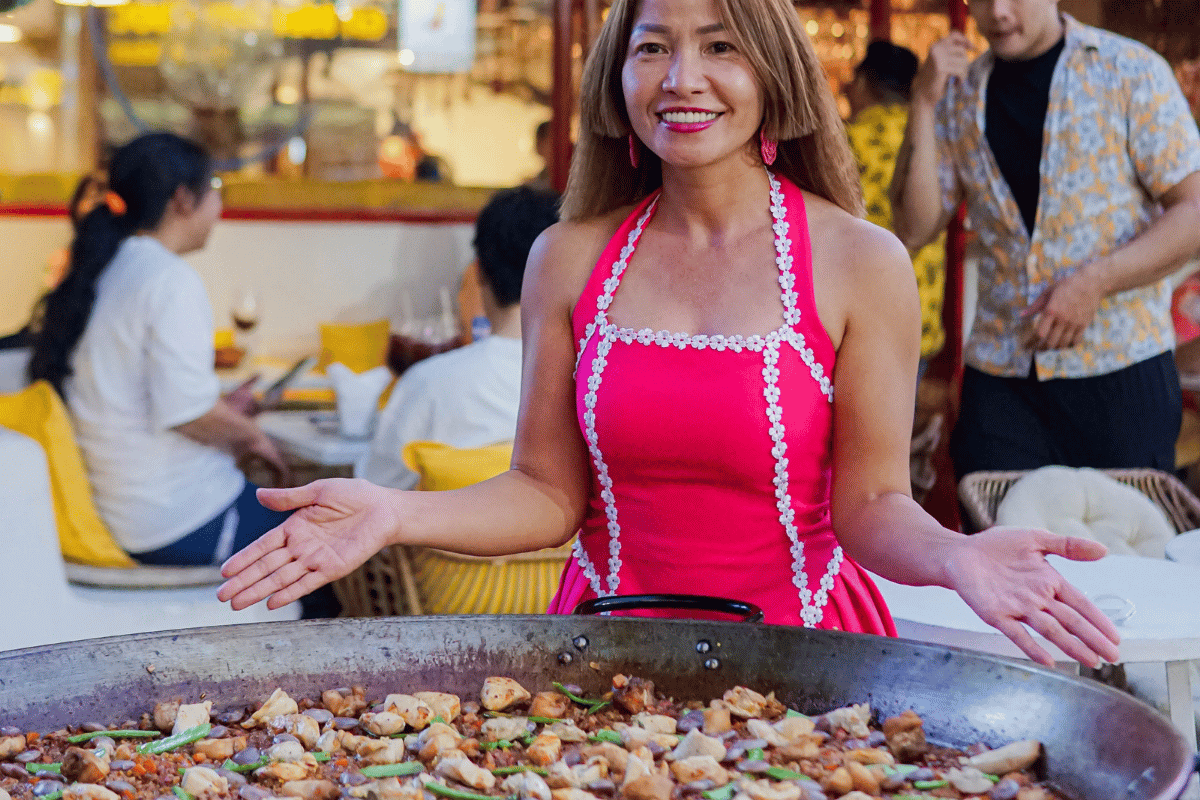
Enjoying paella at Ibérico Tapas Y Vino Thao Dien · Ho Chi Minh City
And perhaps this is why the relationship feels so natural. Spain and Vietnam are both cultures that understand the emotional geography of a table: dishes placed in the centre, bottles opened for others, meals measured not simply in courses but in conversation.
Through Restaurants from Spain, that story can now be discovered across Vietnam. Through Colmados from Spain, it can continue at home. But the real story is no longer simply that Spain has arrived in Vietnam. It is that Spain has begun to find a place here.
In the seafood of Nha Trang. In a tapas table in Hanoi. In a riverside evening in Hoi An. In the Mediterranean ease of Da Nang and Phu Quoc. In a bottle opened in Saigon. And in Spanish ingredients carried home to become part of another table, another gathering, another memory.
Thousands of kilometres may separate Spain and Vietnam, but gastronomy has its own way of redrawing geography. It travels through ingredients and recipes, certainly, but also through curiosity, hospitality and the desire to share something good with someone else.
Perhaps that is the real luxury of this culinary exchange: not simply the opportunity to taste Spain without leaving Vietnam, but to discover how beautifully one food culture can find meaning within another.
Because when the plates are shared, the wine is poured and conversation lingers, distance becomes almost irrelevant. For a few delicious hours, Spain and Vietnam belong to the same table.