After more than four decades across Europe, the Middle East, and Asia, Eric Baumgartner has come to believe that true luxury is no longer defined by excess, but by emotion, anticipation, and meaningful human connection. Through Dôme Hospitality, he continues to shape destinations where culture, creativity, and unforgettable experiences quietly become the ultimate expression of luxury.
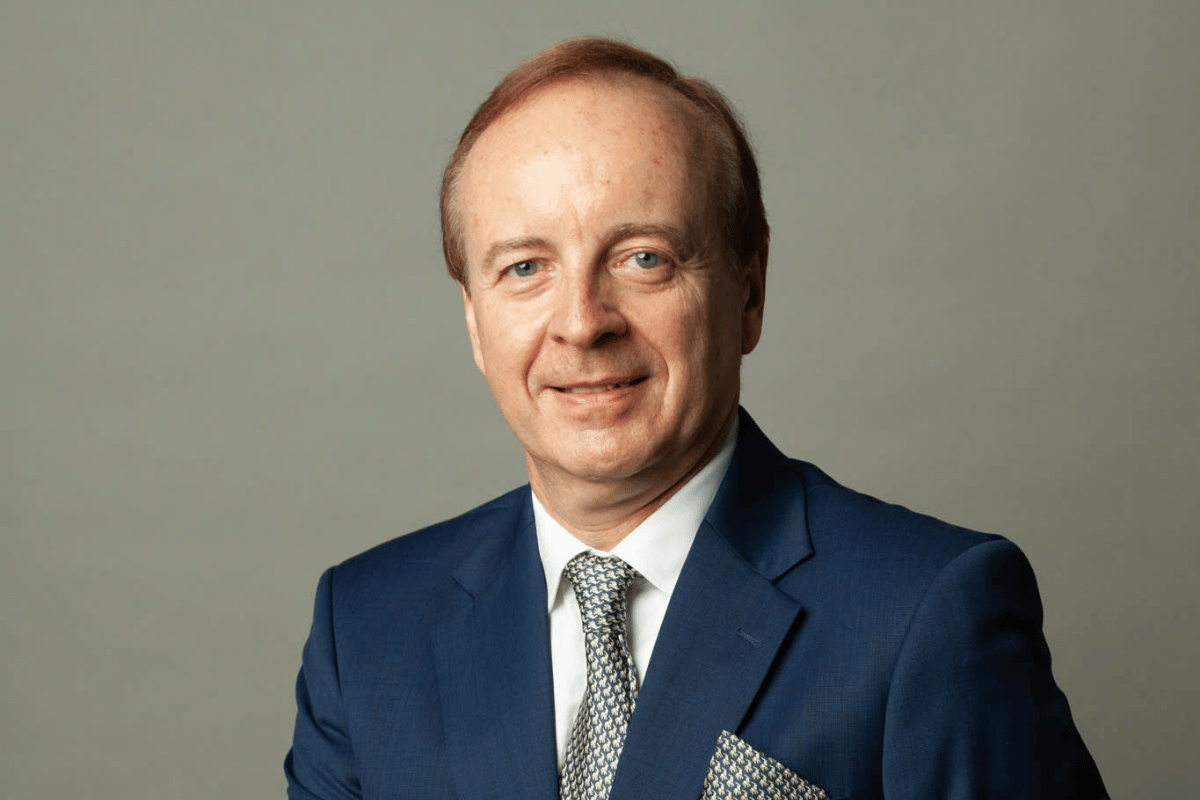
In today’s evolving world of luxury hospitality, grandeur alone is no longer enough. Travellers increasingly seek emotional connection, cultural authenticity, personalised experiences, and moments that linger in memory long after the journey ends. Few hospitality figures understand this transformation as intimately as Eric Baumgartner.
With a career spanning more than four decades across Europe, the Middle East, and Asia, Baumgartner has collaborated with internationally renowned chefs, prestigious hotel brands, investors, and hospitality groups while overseeing projects ranging from intimate fine dining concepts to multimillion dollar resorts and private estates. Through Dôme Hospitality, he continues to advise and develop distinctive hospitality destinations shaped by creativity, operational precision, and a profound understanding of human behaviour.
For Baumgartner, luxury hospitality has never been solely about architecture, opulence, or status. Instead, it begins with observation, cultural sensitivity, and the ability to anticipate unspoken expectations. Across decades of international experience, he has witnessed how deeply emotions influence the guest experience, and how true hospitality often reveals itself through the smallest details.
.png)
In conversation with Epicure Vietnam, Eric Baumgartner reflects on the future of luxury hospitality, the growing importance of personalization, the opportunities and challenges shaping Vietnam’s hospitality landscape, and why human connection may ultimately become the greatest luxury of all.
With a career spanning Europe, the Middle East, and Asia, how has your understanding of luxury hospitality evolved across these diverse cultural landscapes?
In fact, it is less about understanding luxury hospitality itself and more about understanding cultures and people. Every region, every nationality, and every guest profile carries different expectations, habits, and emotional responses. Over the years, travelling and working across multiple continents has allowed me to better anticipate what guests truly seek, whether I was directly overseeing their stay or, today, advising investors and developers on creating hotels and resorts capable of exceeding guest expectations from the very beginning.
.png)
Your experience ranges from fine dining establishments to large scale resort developments. What, in your view, defines true luxury today in the hospitality sector?
True luxury is the ability to create unforgettable experiences. Guests may forget certain details, but they always remember how a place made them feel. Luxury today is no longer simply about beautiful surroundings or expensive materials. It is about generating emotional memories that guests continue to share with their friends, families, and loved ones long after they have returned home.
Having collaborated with globally renowned chefs and prestigious hotel brands, how do you balance creative excellence with operational precision?
The most creative chefs and luxury brands often possess an extraordinary sense of discipline. Creativity alone is never enough in hospitality. The balance comes from combining imagination with precision, attention to detail, and flawless execution. Without discipline, even the most beautiful concept cannot survive in the long term.
.png)
Dôme Hospitality positions itself as a boutique firm shaping distinctive concepts. What is your philosophy when transforming an idea into a fully realised luxury destination?
I have been fortunate to travel extensively since childhood, long before international travel became common. Those experiences sharpened my curiosity and sense of observation. Over four decades in hospitality and F&B, I have continuously observed concepts, trends, successes, and failures across cultures and markets. Transforming an idea into a successful destination requires extensive preparation, analysis, creativity, and a deep understanding of what guests emotionally connect with. The goal is always to create a unique experience rather than simply another luxury property.
You have been involved in projects valued at several hundred million dollars. What determines the long term success of such high value developments?
There are several essential elements: uniqueness, emotional impact, attention to detail, and the ability to exceed guest expectations consistently. Great hospitality concepts must continue evolving quietly over time, introducing new experiences guests may feel instinctively without necessarily recognising consciously. Long term success comes from creating memorable emotional experiences while remaining attentive to guests’ habits, preferences, and evolving lifestyles.
.png)
Vietnam has emerged as one of Asia’s most dynamic hospitality markets in recent years. What opportunities and challenges do you see here?
Vietnam possesses extraordinary cultural richness and incredibly diverse landscapes that offer enormous potential for tourism development. Beyond leisure travel, the country has also evolved significantly within the corporate hospitality sector over the past decade. I also believe there are growing opportunities in wellness and medical tourism. At the same time, there remain challenges concerning human resources, long term tourism strategies, infrastructure, and sustainability. Sustainability today is discussed everywhere, which is positive, but sometimes we forget that hospitality begins with fundamentals. The first impression a traveller receives when leaving the airport matters enormously. Cleanliness, organisation, and infrastructure remain essential elements of the guest experience.
Your expertise extends beyond operations into branding and repositioning. When revitalising a luxury property, where do you begin?
I always begin with a complete quality audit through what I call a mystery shopping assessment. I analyse the property through more than 300 criteria covering operations, service, atmosphere, and guest experience. Only after completing this process do I begin discussions with owners and investors to understand their long term objectives. Some may seek repositioning for a future sale, while others are focused on long term development. The strategy must always align with the owner’s vision and the property’s emotional identity.
How do you approach guest experience in an era increasingly shaped by personalization and emotional connection?
Understanding the guest profile is absolutely fundamental. Before guests even arrive, it is important to gather as much information as possible in order to anticipate their expectations and create experiences that feel deeply personal. Today, technology and social media make this process much easier than when I first entered hospitality. However, the objective remains unchanged: to create moments guests will remember emotionally rather than simply operationally.
.png)
Leadership across multicultural teams has been central to your journey. What principles guide you in building high performing teams?
Recruitment, integration, training, motivation, and long term career development are all essential. Hospitality remains a deeply human industry, and people must feel valued, supported, and inspired in order to perform at their highest level. Too often, investors underestimate the importance of human resources. Yet if you treat your employees well, they will naturally take care of your guests with sincerity and professionalism. In many ways, this becomes the most effective form of marketing a hospitality brand can have.
Looking ahead, what trends do you believe will redefine the next decade of luxury hospitality, particularly within emerging markets?
Luxury hospitality is becoming increasingly segmented because guests now expect ultra personalization. Wellness will also continue becoming central to the industry. I strongly believe that “Health is the new Wealth” will define much of the future of hospitality. At the same time, as society becomes increasingly dependent on screens, automation, devices, and technology, genuine human interaction will become one of the rarest forms of luxury. Emerging markets, with their strong service culture and human connection, are uniquely positioned to benefit from this evolution.
From private mansions to five star hotels, your portfolio is remarkably diverse. Is there a project that remains especially meaningful to you?
There are currently two confidential projects I have been involved with for several years that remain especially close to my heart. Unfortunately, I cannot reveal details yet, but I promise you will be among the first to know once they are officially completed.
Beyond business, your interests include gastronomy, oenology, art, fashion, and human development. How do these passions influence your professional vision?
Travel, gastronomy, fashion, art, and discovering different cultures continuously inspire me creatively. I strongly believe in bringing uniqueness and originality into every project in order to create meaningful differentiation. I constantly observe excellence across industries, not to imitate it, but to understand why certain experiences resonate emotionally with people. Inspiration is never about copying. It is about transforming what you have learned into something authentic, relevant, and emotionally memorable.