Wellness is evolving beyond spa rituals and fleeting escapes. For today’s wellnesssavvy traveller, true healing lies in integration, the thoughtful convergence of science, spirituality, movement, nutrition, and emotional balance. In Kerala, along the misty contours of India’s Western Ghats, Tulåh Clinical Wellness emerges as one of the most ambitious expressions of this philosophy yet.
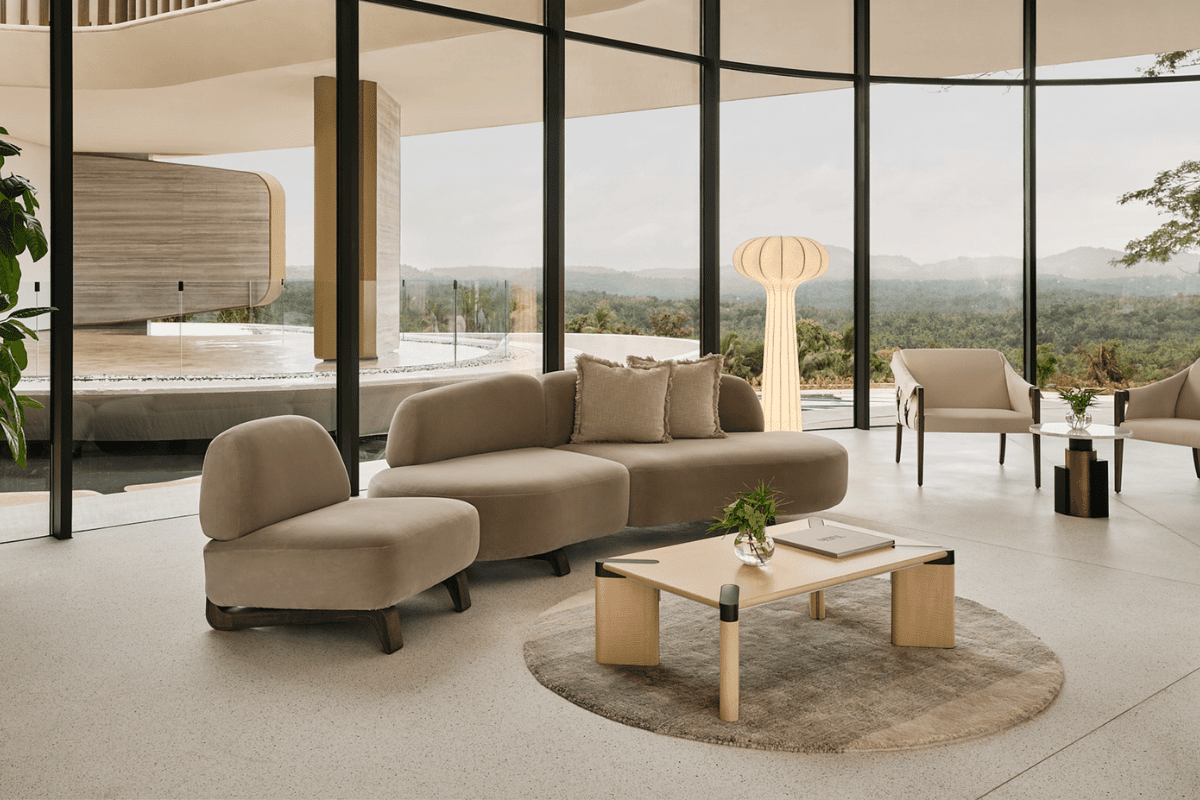
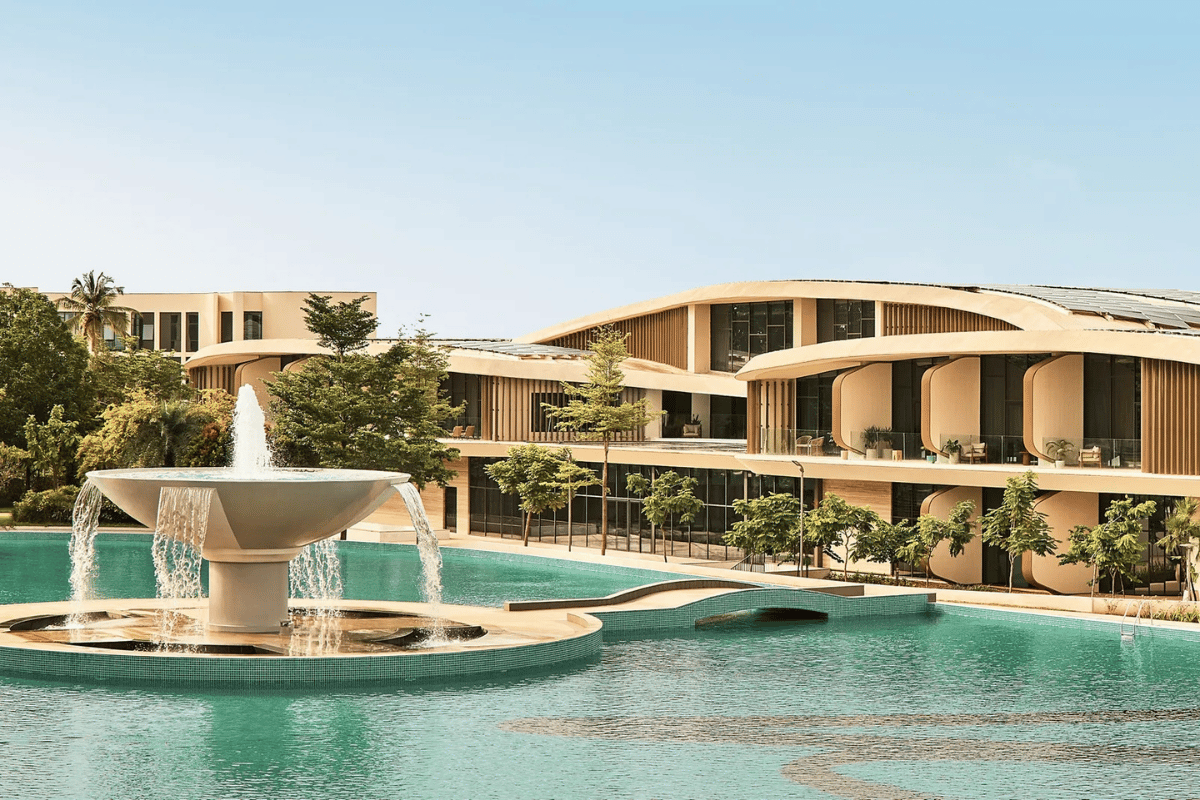
Set within 30 acres of lush landscape near Calicut, Tulåh feels less like a traditional wellness retreat and more like a futuristic sanctuary designed for restoration at every level. The architecture itself immediately signals this duality. Fluid white curves, expansive glass walls, and contemplative courtyards create an atmosphere suspended somewhere between a luxury resort and a next-generation healing campus. Inspired by both nature and modernism, the property mirrors the very concept it was built upon: harmony between ancient wisdom and contemporary medicine.
The retreat was founded by Kerala-born entrepreneur and philanthropist Faizal Kottikollon, whose personal health crisis became the catalyst behind Tulåh’s integrative approach. After being diagnosed with spinal cord compression and advised to undergo risky surgery, he turned instead toward a combination of neurologists, physiotherapists, Ayurvedic doctors, and yoga practitioners. The remarkable improvement in his condition eventually inspired the creation of Tulåh — a place where no single discipline dominates, but where healing is approached holistically and collaboratively.
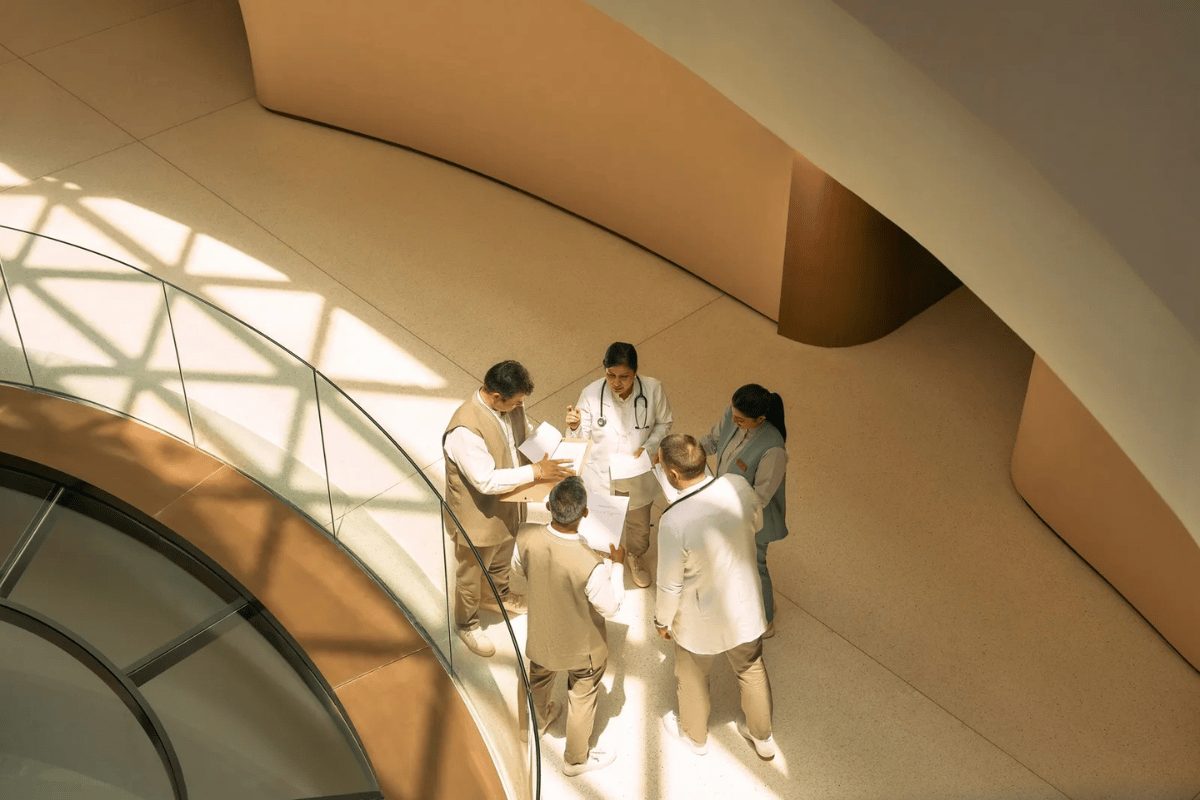
That spirit becomes evident from the moment guests begin their wellness assessments. Unlike many retreats that lean solely toward either spiritual healing or clinical diagnostics, Tulåh treats both with equal importance. Guests move fluidly between Ayurvedic consultations and advanced medical screenings, creating a deeply personalised understanding of their health.
An Ayurvedic practitioner may first assess doshas, lifestyle rhythms, stress patterns, and emotional wellbeing, while allopathic specialists simultaneously evaluate physical markers through detailed diagnostics. MRI scans, VO2 max testing, microbiome mapping, Dexa scans, cardiovascular screenings, and mobility analysis all contribute to a comprehensive portrait of the body. Yet despite the sophistication of the technology, the atmosphere never feels intimidating. The process unfolds gently, almost meditatively, allowing guests to feel supported rather than scrutinised.
Tulåh’s true distinction, however, lies in how seamlessly these clinical insights are translated into restorative experiences. Wellness here is not performative. It is deeply sensory, deeply human.
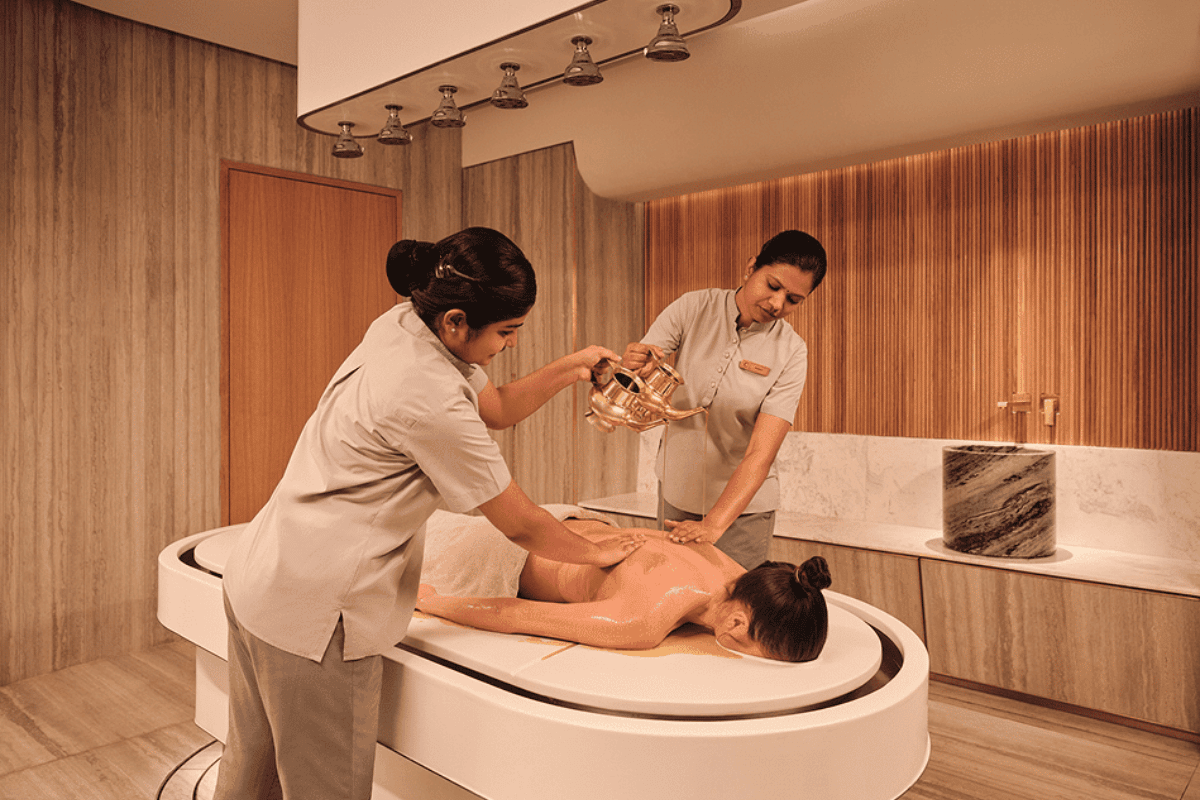
Daily Ayurvedic therapies unfold in softly lit treatment suites where warm medicated oils, rhythmic four-handed massages, and herbal compresses create an almost hypnotic sense of calm. One of the retreat’s most thoughtful innovations is its reimagined Ayurvedic treatment table, integrated with a heated Vichy shower system that allows guests to remain cocooned in stillness after therapies, gently cleansed while lying horizontally. The experience feels profoundly nurturing, transforming posttreatment fatigue into something closer to surrender.
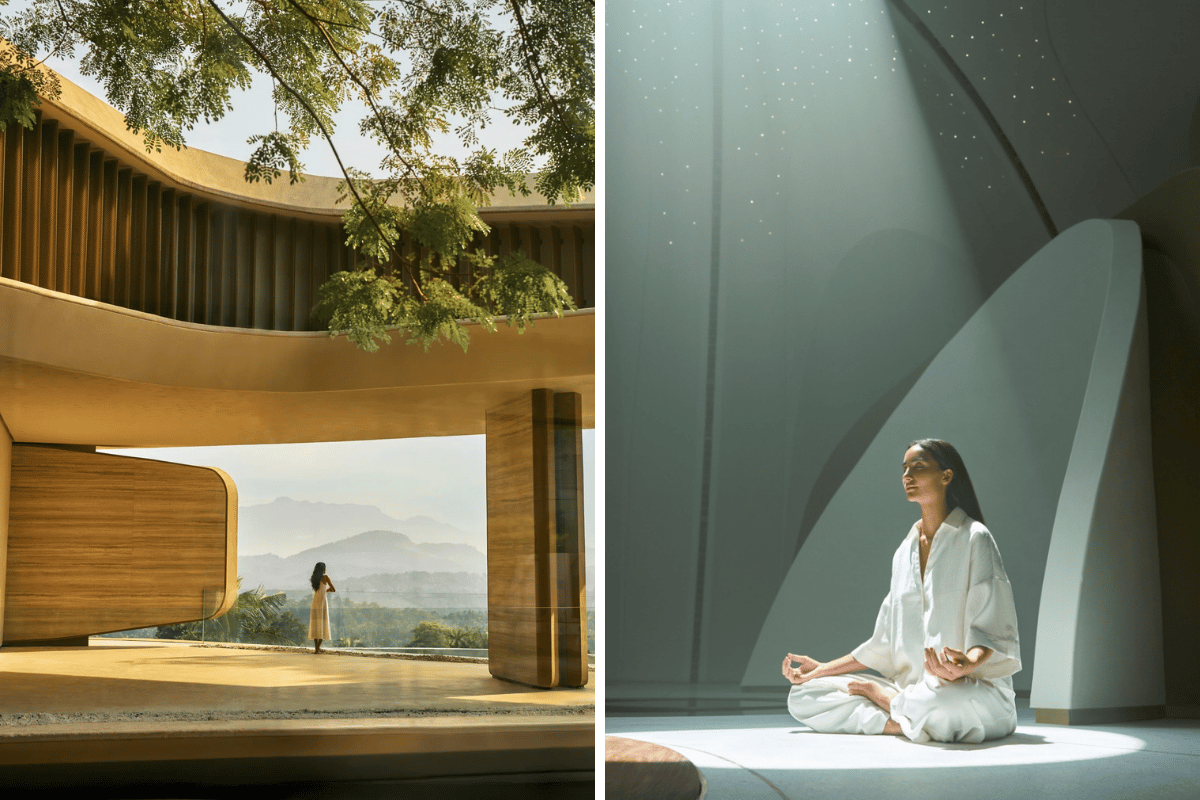
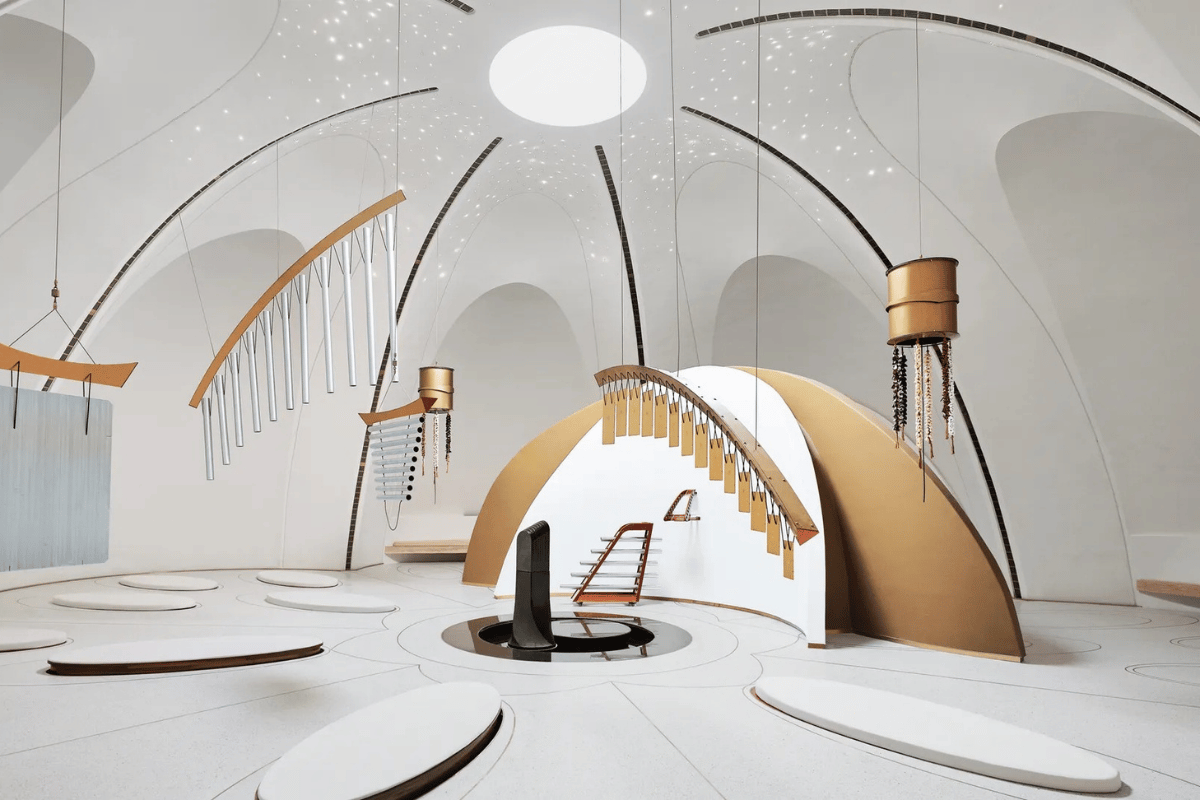
Beyond physical therapies, Tulåh explores the emotional and energetic dimensions of healing through sound, movement, and mindfulness. The Sonorium — believed to be the world’s largest sound healing dome — is perhaps the retreat’s most immersive space. Singing bowls, crystal harps, and tonal instruments create layered frequencies that reverberate through the body with startling clarity. During sound healing sessions, the boundary between meditation and sensory experience begins to dissolve. Time slows. Breath deepens. The nervous system softens almost instinctively.
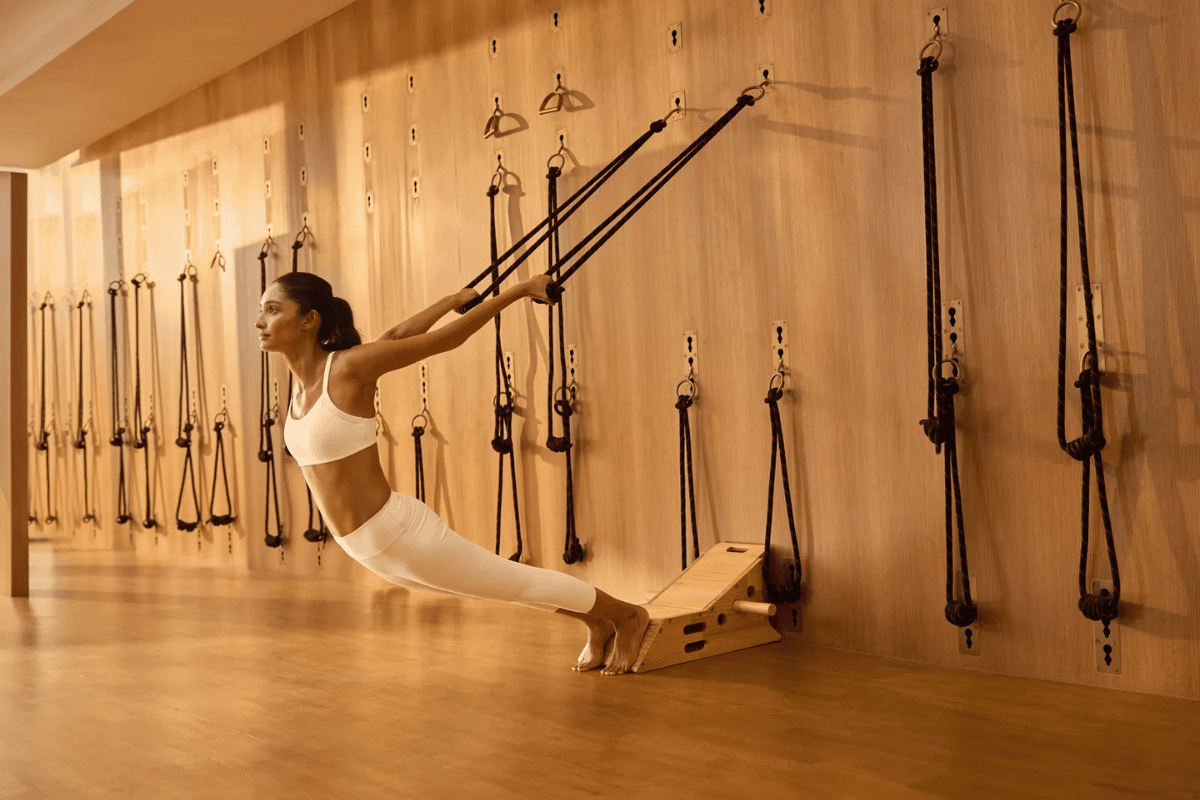
Movement also plays a central role in the healing journey. Clinical yoga sessions are designed not around aesthetic performance, but around functionality, mobility, and nervous system regulation. Guests recovering from stress, burnout, inflammation, or physical tension are guided through tailored practices that reconnect body awareness with breath and movement.
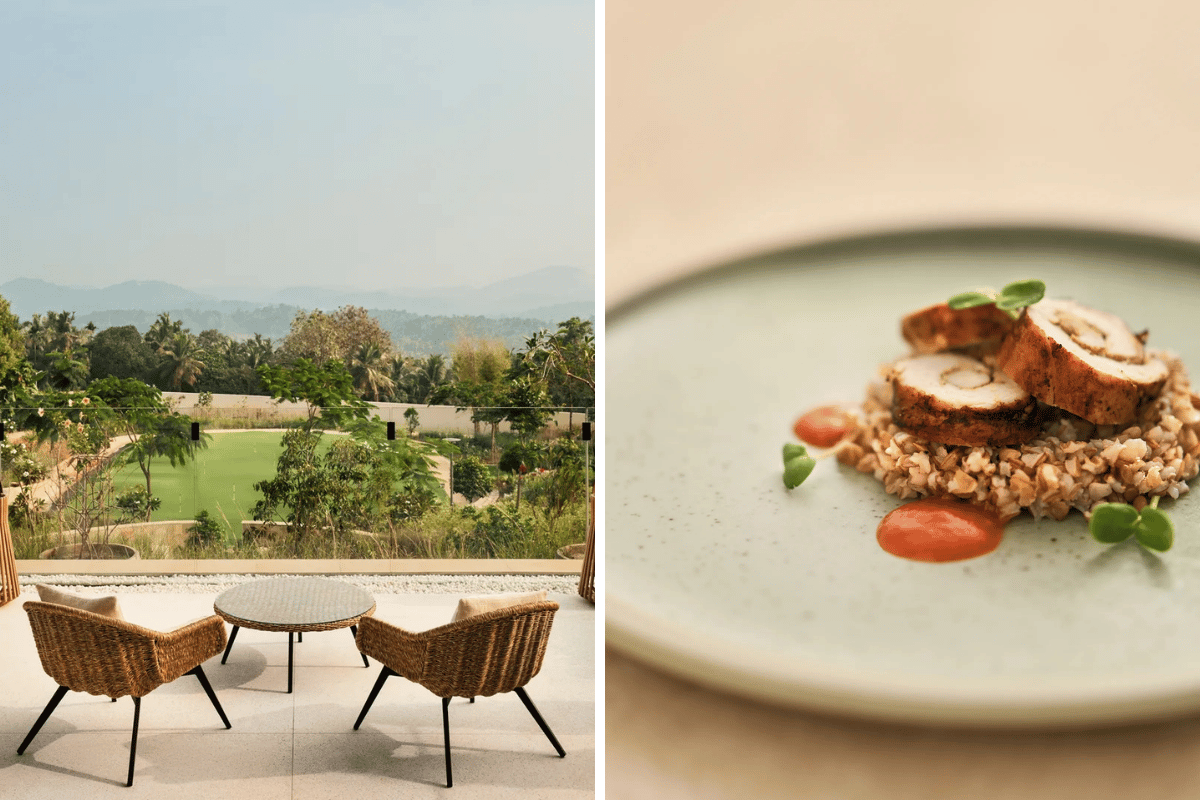
Nutrition at Tulåh follows the same philosophy of intelligent balance. Meals are personalised without becoming restrictive, blending Ayurvedic principles with globally inspired wellness cuisine. Spice-adjusted Keralan curries sit comfortably beside delicate Mediterranean dishes, creating menus that nourish without sacrificing pleasure. Even the dining room encourages mindfulness, remaining intentionally phone-free to preserve a sense of presence and calm.
What makes Tulåh particularly compelling for modern wellness travellers is its refusal to romanticise healing. It recognises that wellbeing today exists at the intersection of ancient practices and measurable science. Emotional health matters as much as cardiovascular health. Gut health is approached as both physiological and psychological. Longevity is viewed not as a pursuit of perfection, but as the ability to live with vitality, clarity, and balance.
As the sun begins to disappear behind the hazy silhouettes of the Western Ghats, Tulåh settles into a quiet rhythm. Guests retreat to terraces overlooking the hills, carrying the lingering calm of massages, meditation, and slow conversations with wellness practitioners. There is no pressure to transform overnight here. Instead, Tulåh offers something gentler and perhaps more sustainable: the possibility of listening more closely to the body, and allowing healing to unfold gradually, with both precision and grace.
For those seeking a wellness retreat that moves beyond surface-level relaxation into something more integrative and deeply restorative, Tulåh Clinical Wellness feels less like an escape and more like the beginning of a different relationship with health itself.
For those seeking healing beyond a conventional retreat, Tulåh Clinical Wellness offers an intentional return to wellbeing, where ancient wisdom, clinical precision and restorative rituals work in quiet harmony. It is a place to slow down, listen inward, and rediscover balance not as a destination, but as a daily practice.